
Last updated November 14, 2026
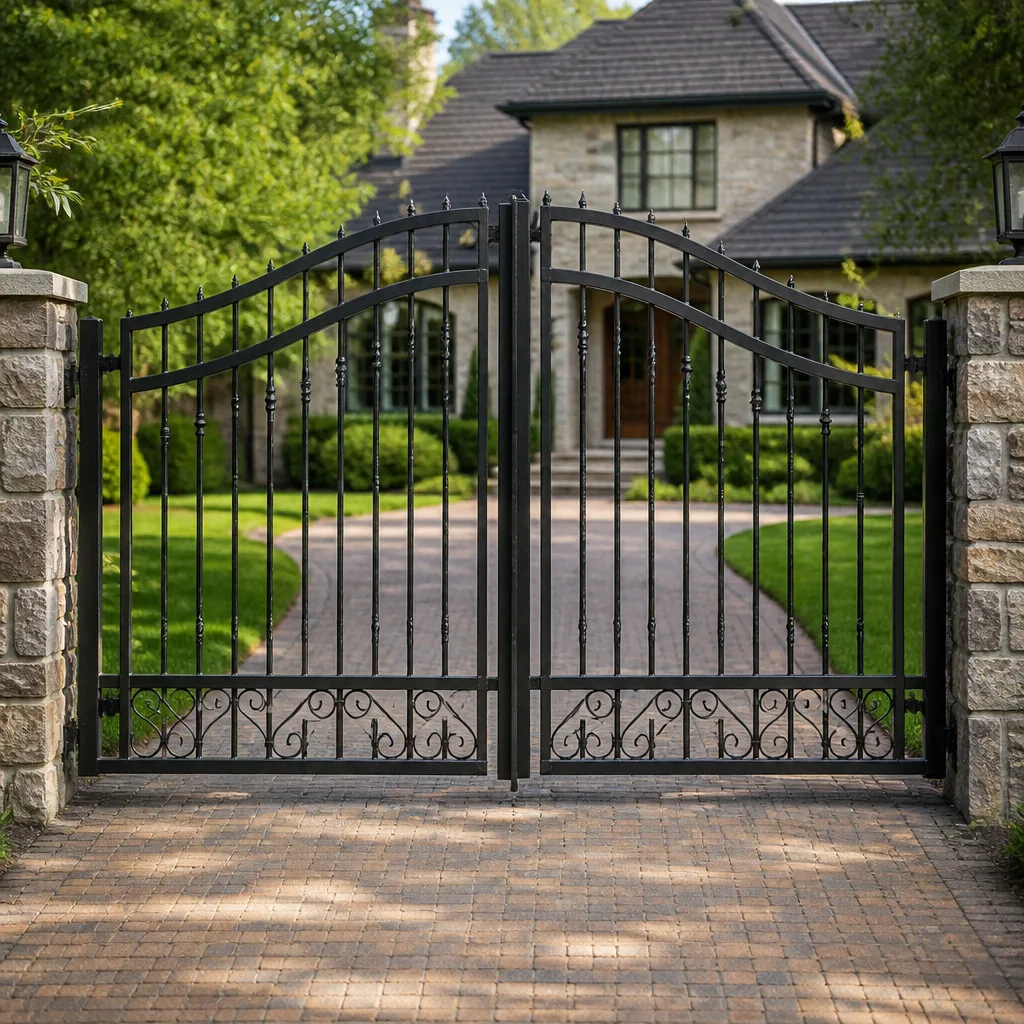 Wrought iron
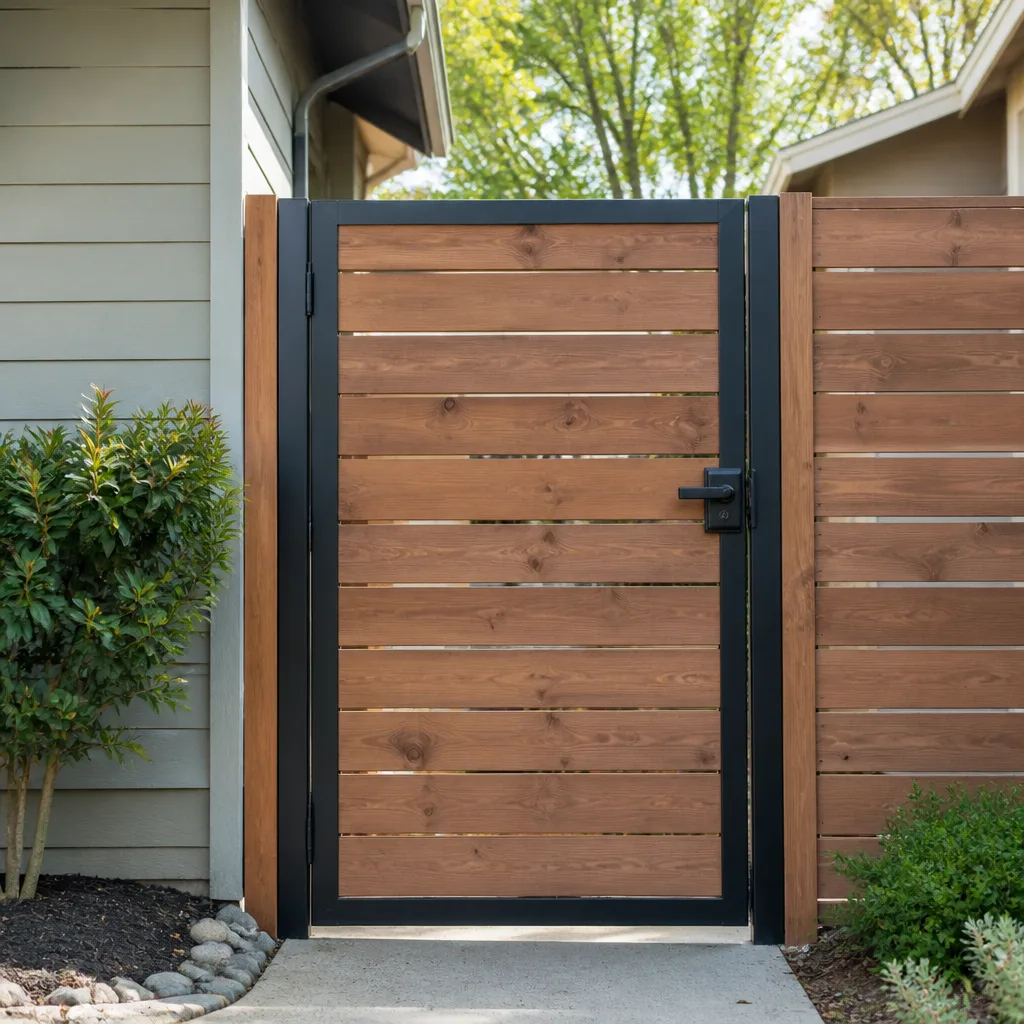 Wood & steel frame
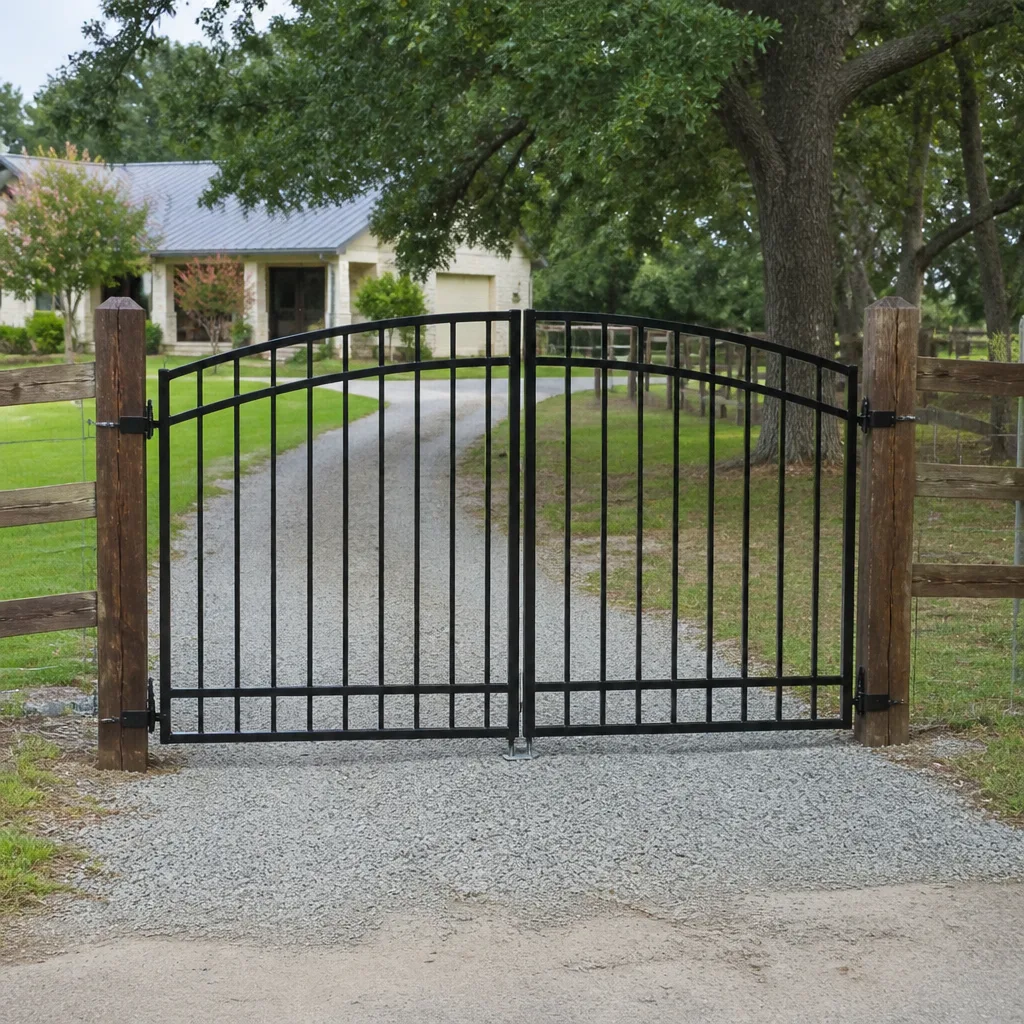 Farm & ranch
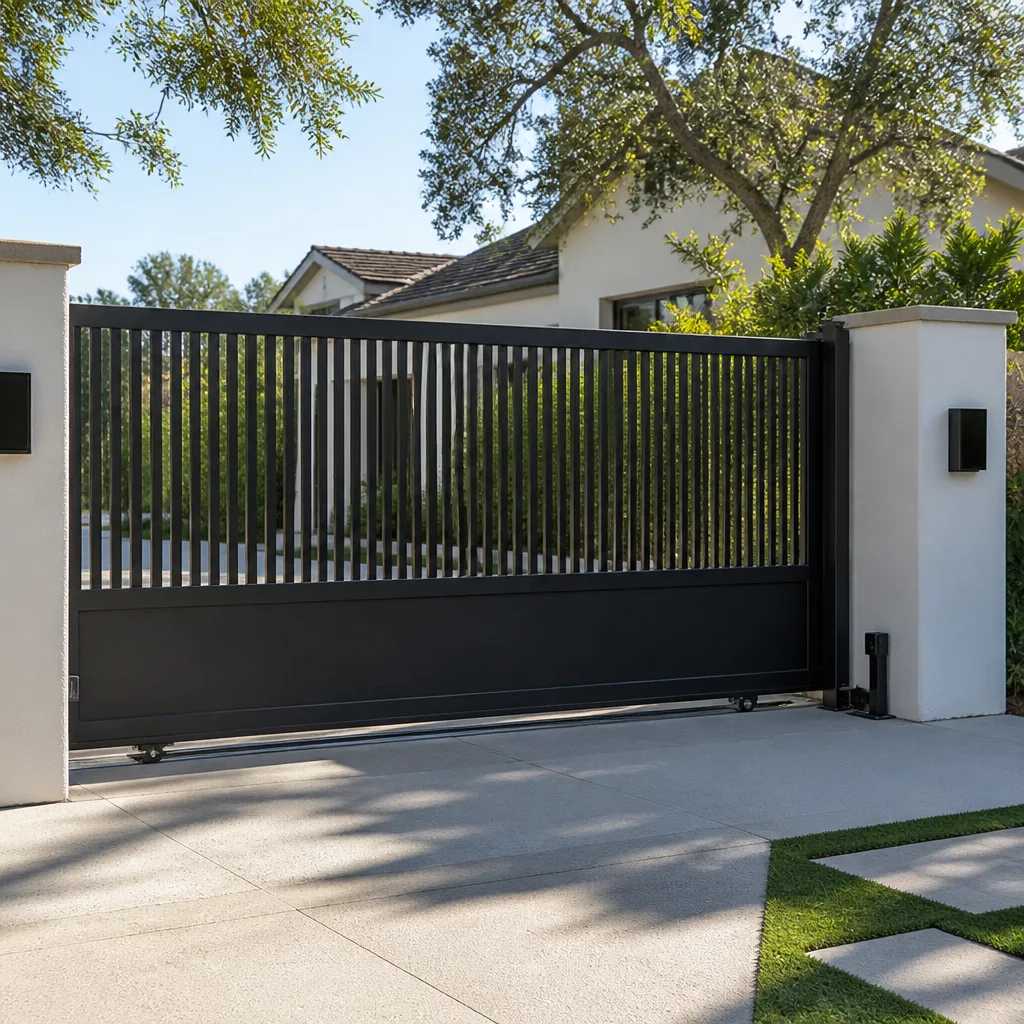 Sliding driveway gates
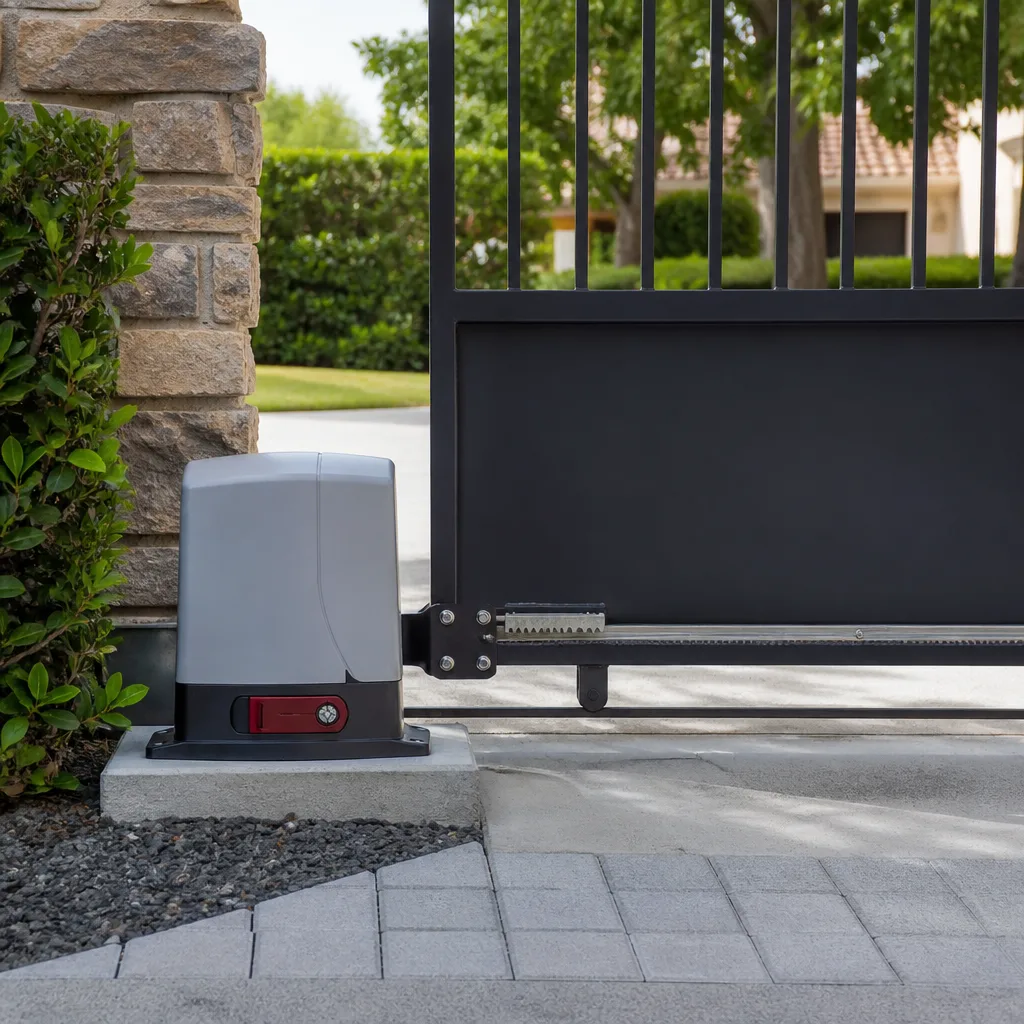 LiftMaster operators
Free on-site gate assessment - hinges, posts, and your LiftMaster or Nice gate operator checked before anything is quoted
The assessment is free and the quote is the invoice.
Get your free estimateGate Repair Cost Breakdown: The Baltimore Homeowner’s Reference for 2026
Two homeowners in the same Baltimore neighborhood can describe the identical gate problem and walk away with quotes $800 apart. Both estimates might be honest. The gap almost always comes down to what each one actually includes: the grade of the parts, whether the operator is new or rebuilt, whether the post is reset or replaced, and how the labor is scoped. The number itself tells you almost nothing until you know what sits behind it. This guide breaks down the parts and labor that drive gate repair quotes in Baltimore, covers the five repairs we see most often, and gives you a practical way to read a quote instead of just accepting or rejecting it.
Quick Answer
Most residential gate repairs in Baltimore fall somewhere between a minor hardware fix and a full operator replacement, and the price depends on four things: the part that failed, whether it’s mechanical or electronic, the grade of replacement parts, and how much labor the site demands. A hinge swap is on the low end and a full slide operator replacement sits at the high end. The only reliable number is a written estimate after someone has looked at your gate in person, and that written price should be set before any work begins.
Styles & brands we work with
- Wrought iron
- Wood & steel frame
- Farm & ranch
- Sliding driveway gates
- LiftMaster operators
Table of Contents
- What Actually Drives Gate Repair Cost in Baltimore?
- The Five Most Common Gate Repairs and What They Cost
- How Parts Sourcing Changes the Price and the Lifespan
- Labor Rate Factors Specific to Baltimore
- What a Diagnostic Fee Should and Shouldn’t Cover
- Repair or Replace? A Cost Comparison Framework
- How to Read a Gate Repair Quote Line by Line
- Access Control and Automation: The Cost Layer Most People Miss
What Actually Drives Gate Repair Cost in Baltimore?
Gate repair cost in Baltimore isn’t set by a single hourly rate the way some trades are. It’s built from four overlapping pieces, and understanding them is the difference between judging a quote fairly and guessing. The first is the failed component itself: a hinge, a roller, a weld, a control board, a motor. The second is whether that component is mechanical or electrical, because automation adds a diagnostic layer that pure mechanical work doesn’t have. The third is parts grade, which we’ll get into below. The fourth is labor, and labor on a gate is rarely a clean hourly figure because the site shapes it.
Here’s the part that trips people up. A gate that won’t open might need a $40 part or a $900 operator, and you can’t tell from the driver’s seat. The symptoms overlap. A binding hinge, a failing battery in a Mighty Mule operator, a misaligned safety edge, and a dead control board can all present as “the gate stopped working.” That’s why a real diagnosis comes before any price. When you call for Baltimore Gate Repair, the goal of the first visit is to isolate which of those four drivers is actually in play, not to quote from a phone description.
Climate matters too, and Baltimore’s freeze-thaw cycle is hard on gate hardware. Ground shifts through winter and spring, posts move, hinges take on stress they weren’t designed for, and welds that looked fine in October start to show hairline cracks by March. We see a jump in post and hinge problems after a cold stretch. None of that is exotic. It’s the normal wear pattern for this part of Maryland, and a quote that accounts for it tends to hold up better than one that treats the gate as if it sits in a vacuum.
The Five Most Common Gate Repairs and What They Cost
These are the five jobs that come up most often, in rough order from simple to complex. Treat the ranges as typical estimates, not quotes. The written estimate after an on-site look is what sets the final price, and it should be agreed before anyone touches a tool.
1. Hinge Replacement
Hinges carry the full weight of a swing gate and take the most abuse from wind and ground movement. Worn hinges show up as sag, drag, or a gate that won’t latch cleanly. Replacement is usually a contained job: remove the old hardware, check the post and frame for damage, fit new hinges, and re-align the gate. The range runs from a basic hardware swap to a heavier job if the post itself has shifted and needs attention first.
2. Operator Replacement
This is the big-ticket item on the list, and it’s where quotes diverge most. Replacing an automatic operator on a LiftMaster or FAAC system means removing the old unit, checking the wiring and power, mounting the new operator, and re-commissioning the safety devices. The price range depends heavily on whether the existing wiring and mounting are reusable or need rework.
3. Post Reset
A leaning gate post is a Baltimore specialty after a hard freeze. A post reset means digging out the old footing, re-setting the post to proper depth, and re-hanging or re-aligning the gate. It’s more labor than parts, and the cost swings with how much concrete and digging is involved.
4. Weld Repair
Cracked welds on gate frames and hinge mounts are common on older steel gates. A weld repair is a focused job, but it often reveals adjacent fatigue, so a good technician checks the whole frame before quoting.
5. Access Control Service
Keypads, card readers, intercoms, and loop detectors are where automation meets access. Service here means diagnosing whether the fault is in the reader, the wiring, or the operator’s control board. This is the layer where a generalist usually stops and a specialist keeps going.
If you want a straight comparison of these jobs side by side, our gate repair page lays out what each visit typically involves before a price is set.
How Parts Sourcing Changes the Price and the Lifespan
The same repair can be priced three different ways depending on the parts a contractor chooses, and the cheapest quote isn’t automatically the best value. When you’re comparing estimates, ask which of these three categories the parts fall into.
- OEM (original equipment manufacturer) parts. Made by or for the brand that built your operator or hardware. These match the original spec, fit correctly, and hold up to the duty cycle the gate was designed for. On a LiftMaster or BFT system, OEM parts are the safe default for anything that carries load or handles safety.
- Aftermarket parts. Made by a third party to fit the same application. Quality varies widely. Some aftermarket components are solid and cost less; others cut corners on materials and fail early. The price saving is real, but so is the risk, and it matters most on safety edges and control boards.
- Salvage or used parts. Pulled from another gate or operator. Occasionally the only way to source a discontinued component, but the lifespan is unknown and there’s no way to verify the wear history. We treat salvage as a last resort, not a shortcut.
Here’s the practical rule. For hinges, rollers, and safety devices, insist on OEM or a reputable aftermarket equivalent, because a failure there is a safety issue. For cosmetic hardware, aftermarket can be a reasonable saving. And when a quote is dramatically lower than others, the first question to ask is what grade of parts it includes. It’s also worth asking whether the technician carries brand-specific parts on the truck. A gate specialist who works across nine major lines tends to have the right part on hand, which shortens the job and often the price.
Labor Rate Factors Specific to Baltimore
Labor is where Baltimore-specific conditions show up in a quote, and it’s the piece most homeowners never think to question. A few factors are worth understanding before you compare numbers.
- Union labor areas. Parts of Baltimore, particularly around the downtown core and established commercial districts, sit in union-influenced labor markets. That can push prevailing rates higher than in surrounding counties, and it’s a legitimate cost driver, not padding.
- Travel and access. Some zip codes and properties add travel time or access difficulty. A gate set back on a long driveway, a tight urban alley, or a property that needs a permit to block a lane all add labor. Ask whether travel is built into the estimate or added later.
- Site conditions. Digging a post out of frozen ground, working around landscaping, or dealing with a gate that needs to be removed and re-hung all add hours. A quote that doesn’t mention site conditions may be underestimating the job.
- Complexity of the system. A manual swing gate and a high-cycle commercial slide operator are not the same labor. The more automation and access control involved, the more diagnostic time the job needs.
One thing to settle up front: the written estimate should reflect the labor as scoped, and the final invoice should match the agreed price. If a quote is vague about labor, ask for it in writing. See how we handle electric gate repair when the job crosses from mechanical into automation, because that crossover is where labor estimates most often go wrong.
What a Diagnostic Fee Should and Shouldn’t Cover
A diagnostic fee is legitimate when it pays for real diagnostic time and is disclosed before the visit. It’s a problem when it’s used as a revenue line with no clear scope. The distinction matters because a gate problem can look simple and turn out to be anything from a loose wire to a failing control board, and finding out which takes skill and time.
A fair diagnostic visit should include an in-person assessment of the gate’s mechanical condition, a check of the operator and power, a test of the safety devices, and a written explanation of what failed and why. It should end with a written estimate you can accept or decline. What it shouldn’t be is a charge that appears only on the invoice, or a fee that gets waved around to pressure you into a repair.
Our position is simple: the estimate is free, and the price is set per job by the written estimate. We don’t invent service-call or diagnostic fees that weren’t quoted. If a contractor can’t explain what a fee covers before you agree to it, that’s your signal to ask questions or walk.
Repair or Replace? A Cost Comparison Framework
The repair-or-replace question is really a value question, and gate age alone doesn’t answer it. A well-built gate can outlast its operator by a decade. A cheap gate can be at the end of its life in a few years. Use this framework to think it through.
- Weigh the repair against the replacement cost. If a repair is a small fraction of a new gate or operator, repair usually wins. As the repair approaches the cost of replacement, replacement starts to make more sense.
- Look at repeat failures. One post reset is normal. Three resets on the same post in two years points to a deeper footing or drainage problem, and throwing more labor at it won’t fix the cause.
- Check parts availability. If a component is discontinued and only salvage parts exist, that’s a strong case for replacement, because you’re buying uncertainty.
- Consider the system as a whole. A gate that needs a new operator, new hinges, and a post reset all at once may be better served by a fresh installation with a warranty.
- Factor in duty cycle. A commercial slide gate running hundreds of cycles a day wears out faster than a residential swing gate. Match the replacement to the actual use.
When you’re ready to weigh a full install, our Baltimore service overview shows how a new gate is measured, ordered, and scheduled, and that process is priced with a free measure and a written price rather than a same-day number.
How to Read a Gate Repair Quote Line by Line
A good quote tells you what you’re paying for, in plain terms. If you can’t find these pieces in a quote, ask for them before you sign.
- The diagnosis. What failed, and how the technician confirmed it. “Gate won’t open” is a symptom; “operator control board failure” is a diagnosis.
- The parts, by grade. OEM, aftermarket, or salvage, and the brand. On a FAAC or BFT system, the part number should match the operator.
- The labor, scoped. What the technicians will actually do, and whether it includes removing and re-hanging the gate, digging a post, or re-commissioning safety devices.
- The exclusions. What the quote does not cover, such as hidden damage found after the gate is opened up, or electrical work that turns out to be needed.
- The final price. A clear total that’s agreed before work starts, so there are no surprises on the invoice.
If the phone rings and the person on the other end wants to quote from a description, be cautious. A real gate quote comes after someone has seen the gate. And when a job is genuinely urgent, a specialist can often get you back up and running today. Call (855) 356-2557. We answer 24/7. Fast dispatch from 7am to 7pm, Sunday through Friday.
Access Control and Automation: The Cost Layer Most People Miss
Automatic gates carry a cost layer that manual gates never touch: the operator, the safety devices, and the access control that lets people through. This is where a generalist usually hands you off or guesses, and it’s where a gate specialist earns their keep.
The operator is the motor and the brain. On a Mighty Mule residential swing operator, the failure might be a battery, a limit switch, or a control board, and each has a different price. On a high-cycle DoorKing slide operator at a commercial entrance, the diagnostic path is different again. Then there are the safety devices: photo eyes, safety edges, and loop detectors that stop the gate if something is in the way. Those aren’t optional add-ons. A gate that closes on a person or a car is a hazard, and the wiring and power that run the operator deserve a trained eye, not a DIY attempt.
Access control sits on top of all of it. Keypads, card readers, intercoms, and remote receivers talk to the operator’s control board, and a fault can live in any of them. Diagnosing that means testing the reader, the wiring, and the board in sequence. We’ve handled thousands of these calls, and the pattern is consistent: the cheapest path is a correct diagnosis on the first visit. Electric or manual, we diagnose both sides of the problem, and we work on the brand you already have. Nine brands, one specialist.
Common Mistakes to Avoid
- Choosing on price alone. The lowest quote often hides aftermarket parts, vague labor, or exclusions. Compare what’s included, not just the total.
- Accepting a phone diagnosis. “It’s probably the board” is a guess. A real quote comes after an on-site look, especially on automated gates.
- Replacing an operator before checking the simpler failure. A binding gate can stall a healthy operator. The operator isn’t always the problem, and a good technician checks the gate first.
- Ignoring a leaning post. In Baltimore’s freeze-thaw cycle, a post that moves a little in March can take the whole gate with it by summer. Address it early.
- Skipping the safety devices to save money. Photo eyes and safety edges are what protect people and vehicles. Cutting them is a false saving.
- Hiring a generalist for an automated gate. A fence contractor or handyman can do simple mechanical work, but the low-voltage side of an operator is a different skill set. Ask who’ll actually do the work.
- Not getting the price in writing. A verbal estimate is not a quote. Get the agreed price in writing before any work starts.
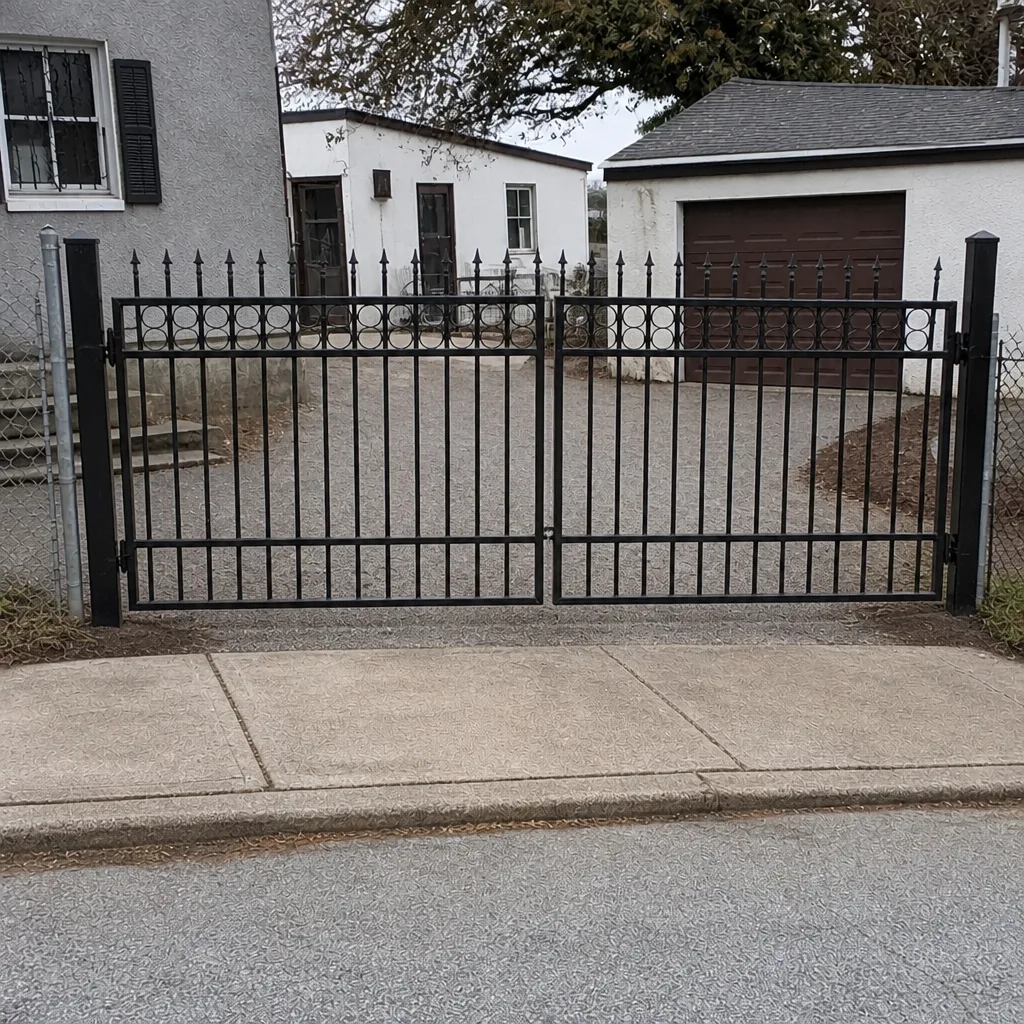
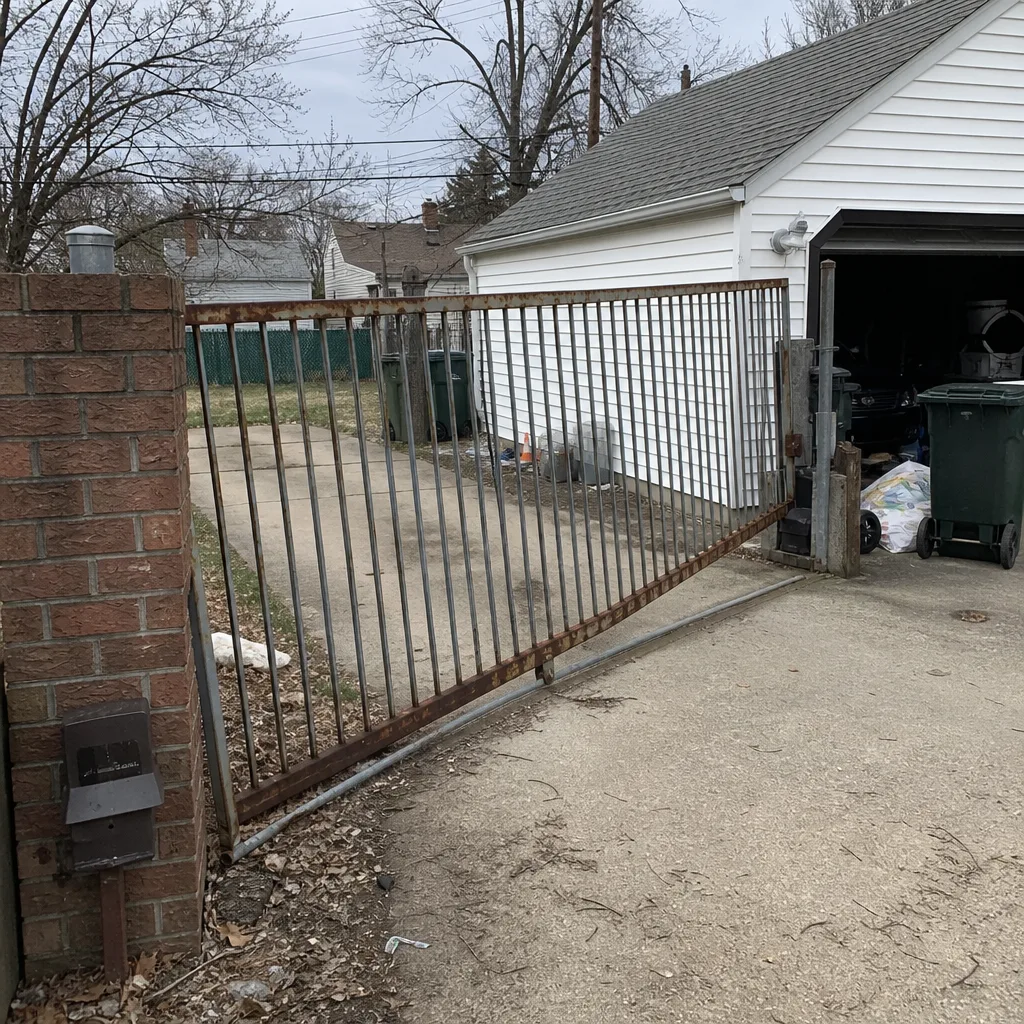
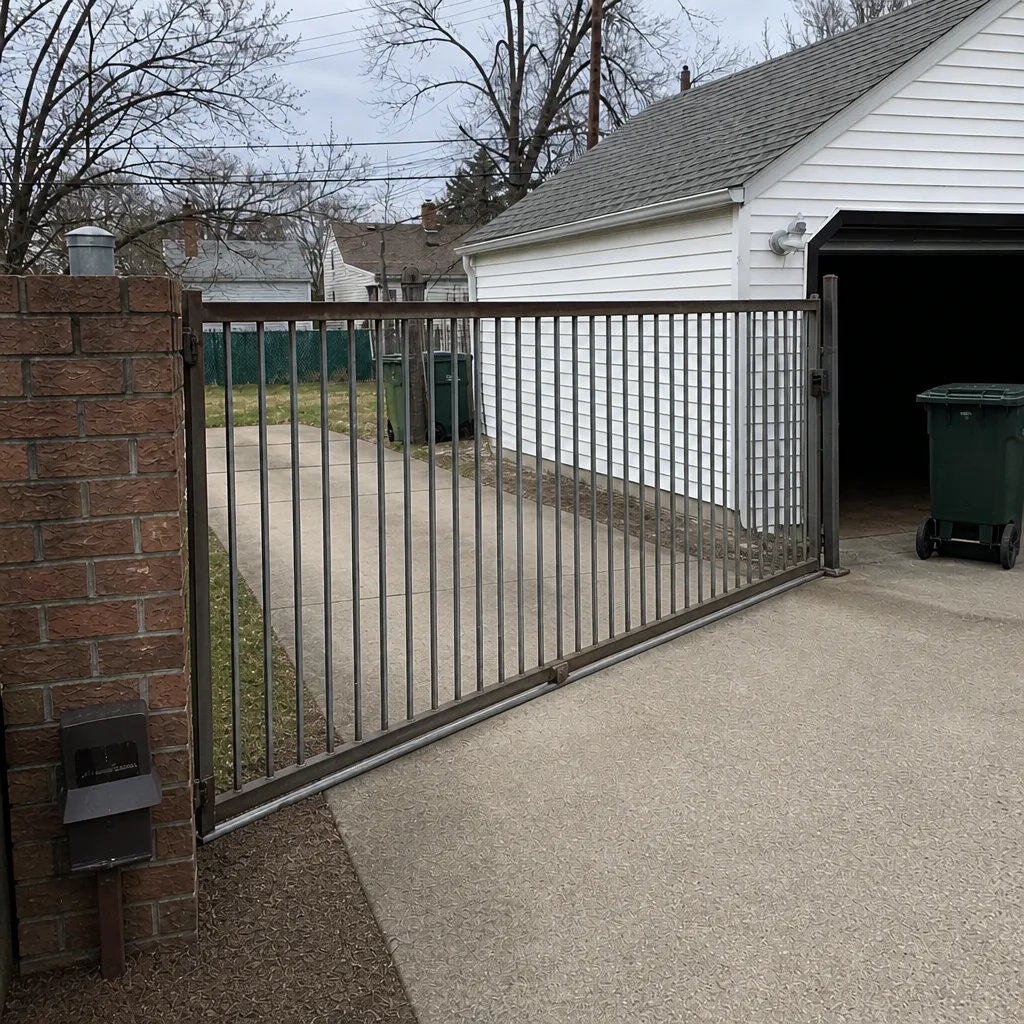
See the difference
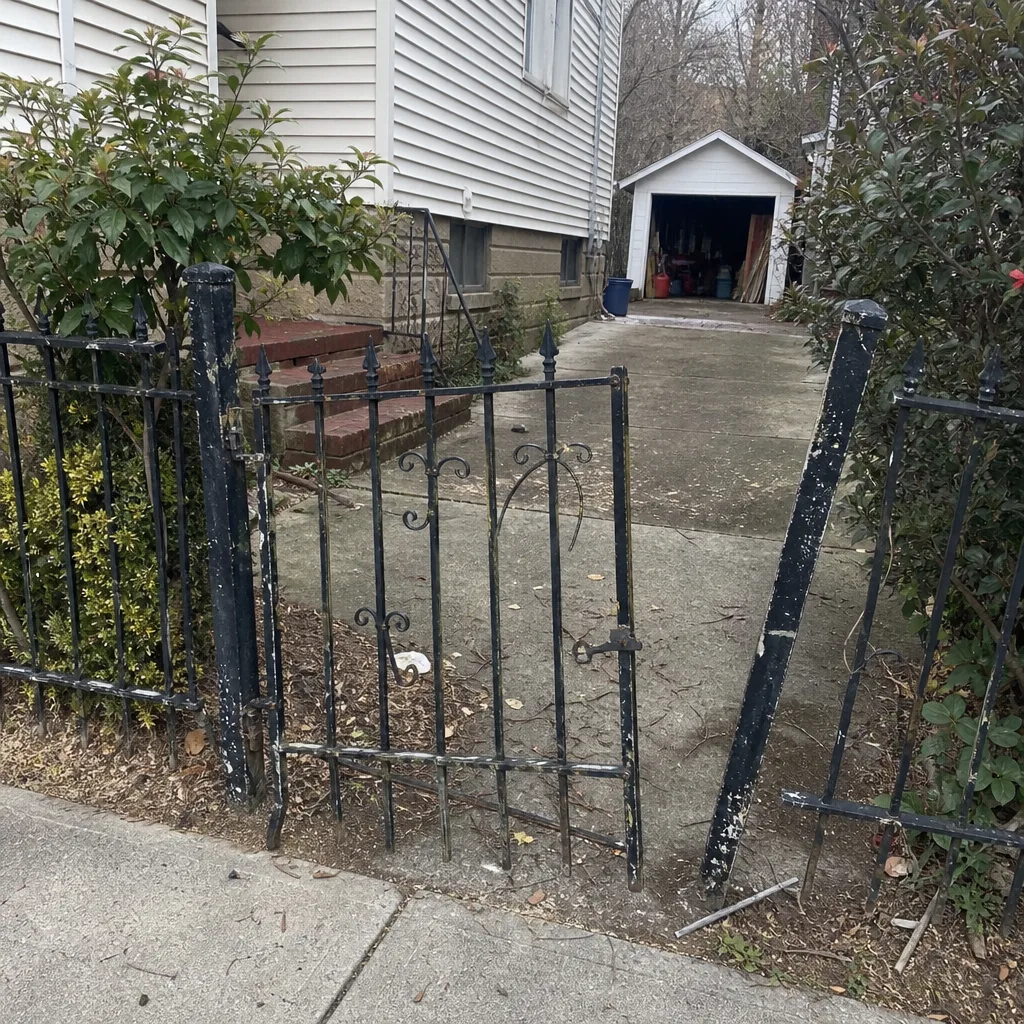 Before
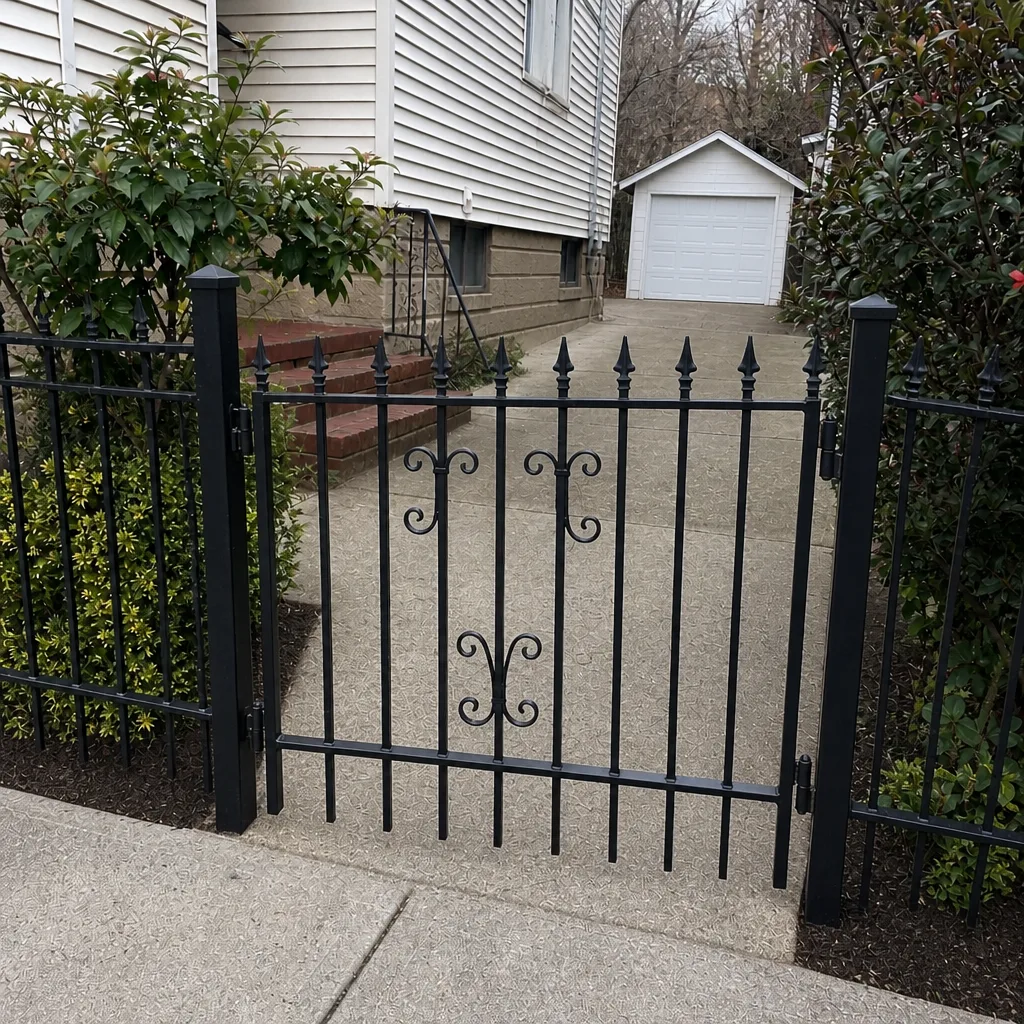 After
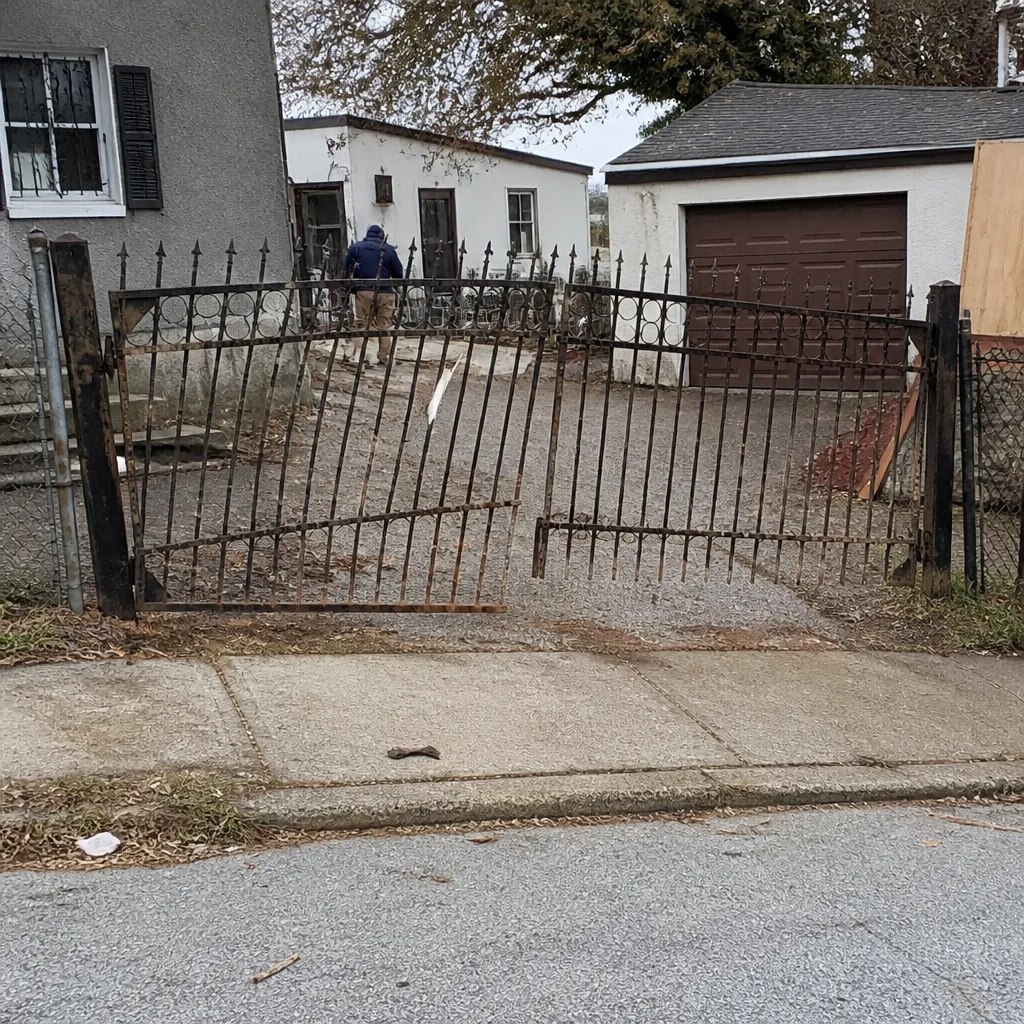 Before
 After
 Before
 After
When to Call a Professional
Some gate problems are safe to watch and some aren’t. If your gate is automatic and the operator, wiring, or control board is involved, call a professional rather than opening the housing yourself. Low-voltage automation and the power feed to an operator carry real risk, and a gate that moves unexpectedly is a hazard to anyone nearby. Also call a professional if a post is leaning, a weld has cracked on a load-bearing joint, or a heavy gate panel has come off its track. Those are the situations where a trained technician’s diagnosis saves money and prevents injury. For straightforward hardware, you can wait for a scheduled visit. For an automated gate that won’t open or won’t close safely, Baltimore Gate Repair offers free estimates in Baltimore: call (855) 356-2557. We answer 24/7. Fast dispatch from 7am to 7pm, Sunday through Friday.
Frequently Asked Questions
Most residential gate repairs in Baltimore fall between a minor hardware fix and a full operator replacement, and the exact price depends on the failed part, parts grade, and labor. A written estimate after an on-site look sets the final price, and it’s agreed before work starts. Call (855) 356-2557 for an exact quote. Estimates are free.
In many cases, yes. A gate that won’t open or close safely is the kind of job that gets scheduled quickly because it affects access and security. Call (855) 356-2557. We answer 24/7. Fast dispatch from 7am to 7pm, Sunday through Friday.
The estimate is free, and the price is set per job by the written estimate. We don’t add service-call fees that weren’t quoted. If a fee ever applies, you’ll know before you agree. Call (855) 356-2557 for an exact quote. Estimates are free.
We work on the brand you already have, across nine major lines, including LiftMaster, FAAC, BFT, Linear, Viking, Ghost Controls, DoorKing, Elite, and Mighty Mule. That covers everything from budget residential swing gates to high-cycle commercial slide operators. Call (855) 356-2557 for an exact quote. Estimates are free.
Repair usually wins when the repair is a small fraction of replacement cost and the gate is structurally sound; replacement makes more sense when failures repeat, parts are discontinued, or multiple components fail at once. A specialist can tell you which side of that line your gate is on. Call (855) 356-2557 for an exact quote. Estimates are free.
Yes. Electric gate work includes the operator, the power feed, and the safety devices like photo eyes, safety edges, and loop detectors, plus the access control that talks to the operator. That crossover from mechanical to automation is our specialty. Call (855) 356-2557 for an exact quote. Estimates are free.
The Bottom Line
Gate repair cost in Baltimore is a stack of decisions, not a single number. The failed part, the grade of the replacement, the labor the site demands, and whether the job is mechanical or electronic all move the price up or down. Two quotes that are $800 apart can both be fair if they include different things. The way to evaluate a quote is to read it line by line, ask what grade of parts it includes, and confirm the final price in writing before anyone starts. That’s what shifts the conversation from “how much” to “what am I paying for,” and it’s the difference between a fair deal and a surprise invoice. When you’re ready, we offer free estimates and stand behind the written price.
Written by the team at Baltimore Gate Repair, serving Baltimore since 2016.