
Last updated November 14, 2026
 Wrought iron
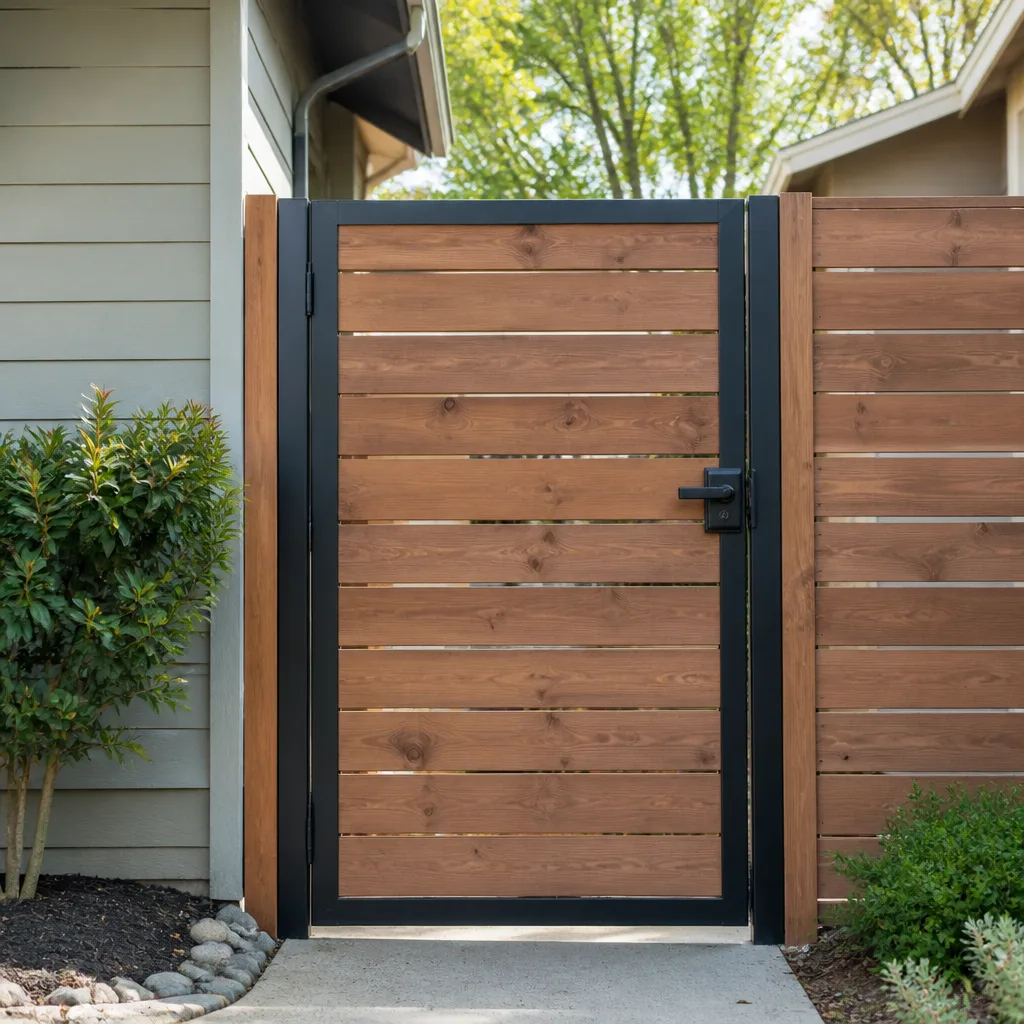 Wood & steel frame
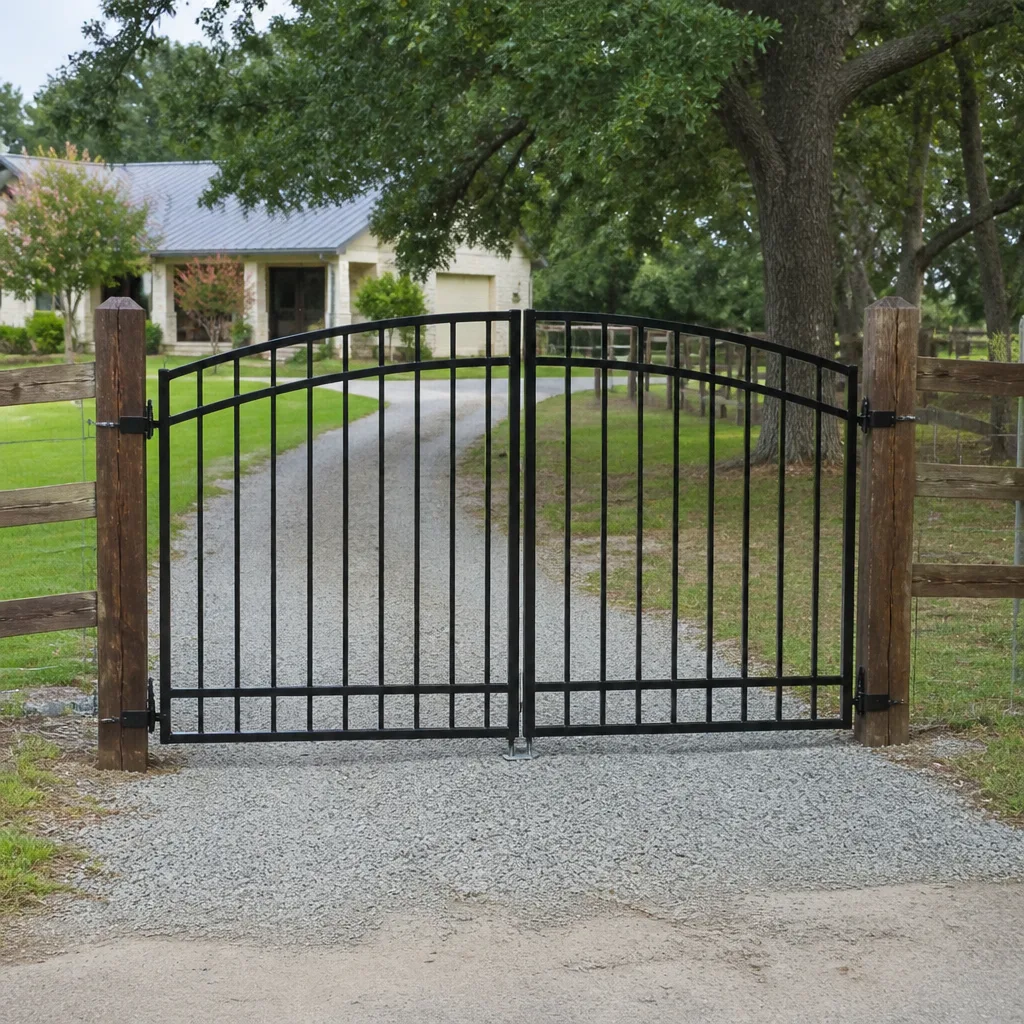 Farm & ranch
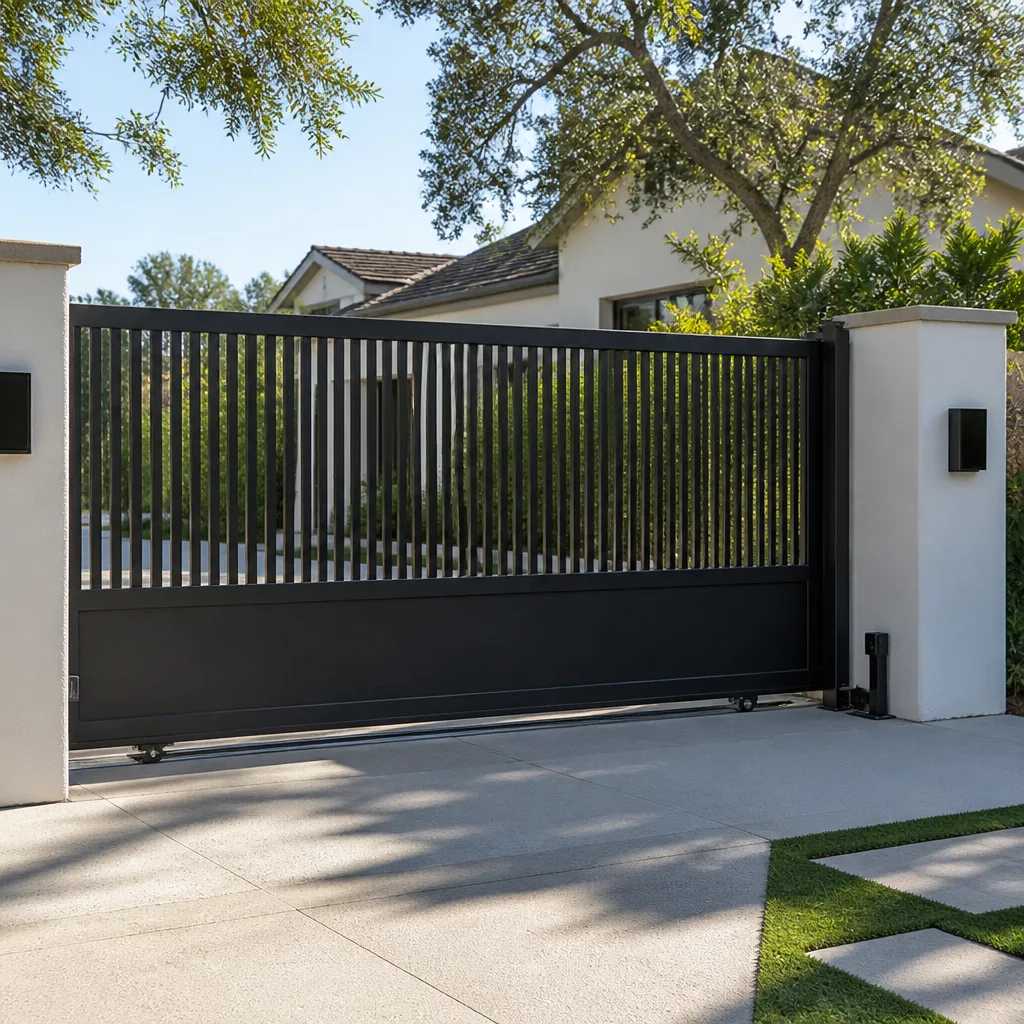 Sliding driveway gates
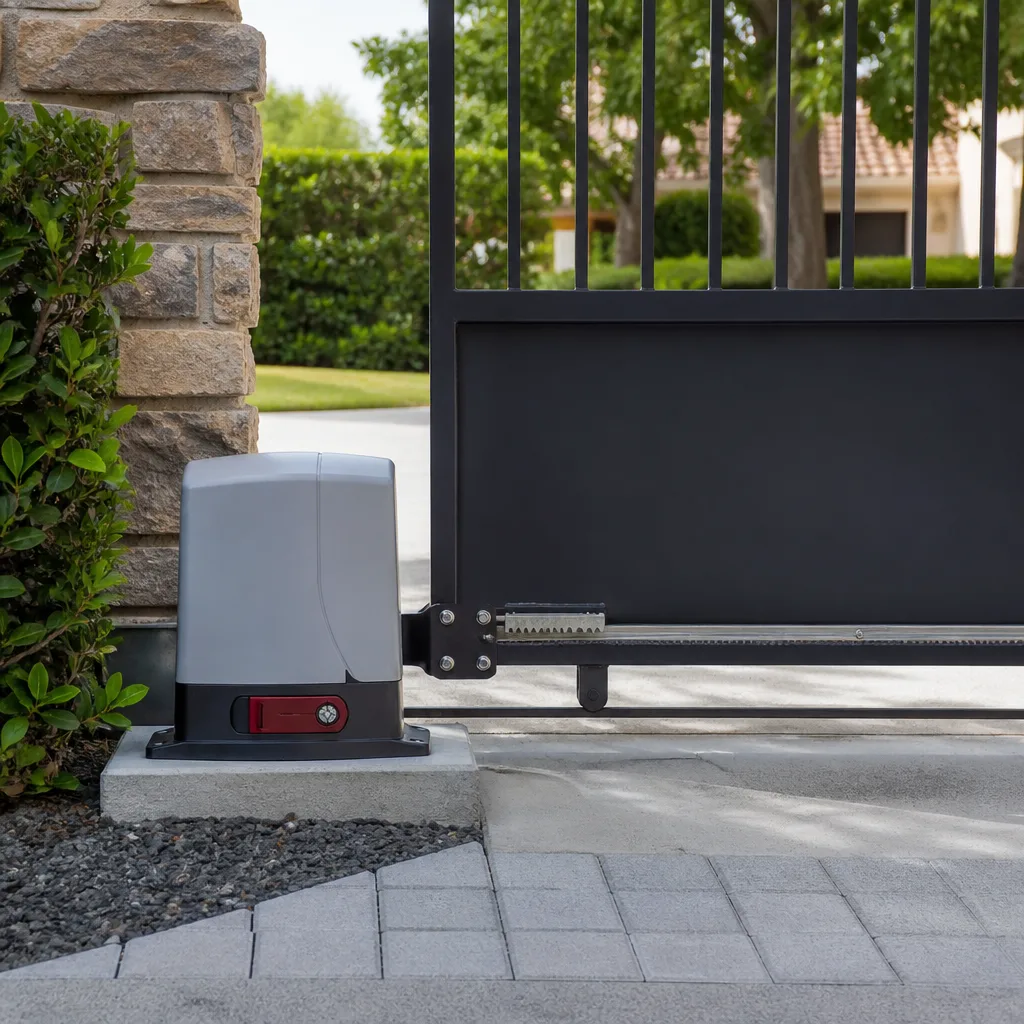 LiftMaster operators
Free on-site gate assessment - hinges, posts, and your LiftMaster or Nice gate operator checked before anything is quoted
The assessment is free and the quote is the invoice.
Get your free estimateThe Complete Guide to Gate Repair in Baltimore
Most Baltimore gates that get replaced never needed replacing. They needed a proper diagnosis. A gate that stops opening is rarely a single broken part; it’s usually one of three root causes wearing a convincing disguise – foundation shift in Baltimore’s clay-heavy soil, operator neglect, or hardware that never matched the gate in the first place. Get the diagnosis wrong and you’ll pay for a repair that doesn’t hold, or worse, a whole new gate. Get it right and a modest adjustment can add years to what you already own.
This guide maps every common failure mode to the cause behind it. By the end you’ll know what kind of problem you’re looking at, what a fair repair involves, and when to stop guessing and call someone who works on gates all day. We’ve served Baltimore since 2016, and the patterns below hold across nearly every gate we see.
Quick Answer
Gate repair in Baltimore usually falls into one of three categories: a mechanical adjustment (hinges, tracks, latches, rollers), an operator or automation fault (motor, control board, sensors, wiring), or a structural problem (post lean, footing failure, frame damage from misalignment). The first two are frequently fixable the same day; the third needs to be addressed before any operator repair will last. A free on-site estimate is the fastest way to tell which one you’re dealing with, because the symptom you notice is often not where the fault actually lives.
Styles & brands we work with
- Wrought iron
- Wood & steel frame
- Farm & ranch
- Sliding driveway gates
- LiftMaster operators
Table of Contents
- The Three Root Causes of Baltimore Gate Failure
- Adjustment or Structural Compromise? How to Tell From Outside
- How Iron, Aluminum, Wood, and Vinyl Gates Fail Differently
- Manual vs. Electric Gate Repair: What Changes
- When You Need a Licensed Electrician Alongside a Gate Technician
- Step-by-Step: How a Gate Failure Gets Diagnosed
- Documenting a Gate Failure for Insurance or HOA
- Keeping a Gate Working Between Repairs
The Three Root Causes of Baltimore Gate Failure
Nearly every failed gate traces back to one of three root causes. Understanding which one you’re facing explains why one gate needs a ninety-dollar adjustment and another genuinely needs a two-thousand-dollar replacement. The symptom on the surface rarely tells you which is which, which is why misdiagnosis is so common.
1. Foundation shift. Baltimore sits on a lot of clay-heavy soil, and clay does two things that gates hate: it swells when wet and shrinks when dry. Over seasons, that movement nudges posts out of plumb. A post that’s off by even a small fraction throws a swing gate out of alignment, and the gate starts dragging, binding, or refusing to latch. The operator gets blamed, but the operator is usually fine. This is the single most misdiagnosed gate problem in the region.
2. Operator neglect. Automatic gate operators are electromechanical devices with motors, gears, control boards, and safety sensors. They need occasional attention, and when they don’t get it, small issues compound. A worn gear, a dirty limit switch, or a sensor knocked slightly out of line can all stop an otherwise healthy gate. Brands we work with constantly here include FAAC and BFT for residential swing and slide operators, plus Linear for lighter-duty setups.
3. Mismatched hardware. Sometimes a gate was fitted with an operator, hinges, rollers, or latches that weren’t sized for its weight and cycle count. The gate works for a while, then the undersized parts fail early and repeatedly. No amount of repair fixes a hardware mismatch – the parts have to be matched to the gate.
Knowing the category changes the whole conversation. If you’ve been told your gate needs replacing and no one checked the posts or the hardware fit, get a second look before you spend. Every call, every technician, and every truck at Baltimore Gate Repair is dedicated to gates, so diagnosis starts from the gate itself rather than from whatever trade happened to answer the phone.
Adjustment or Structural Compromise? How to Tell From Outside
This is the question that decides whether you’re looking at a modest repair or a bigger job, and you can often answer it yourself before anyone comes out. The trick is to separate what the gate does from what the gate is. Functional problems show up in motion; structural problems show up at rest.
Signs you’re likely looking at an adjustment:
- The gate closes but drags, scrapes, or binds at one point in its travel.
- The latch doesn’t catch cleanly, or the gate needs a nudge to line up.
- The operator runs but the gate moves slowly, unevenly, or stops short.
- Hinges or rollers look worn, loose, or noisy.
- The gate sits level and plumb when open but misbehaves when moving.
Signs of structural compromise:
- A post is visibly leaning, or the gap between gate and post changes with the seasons.
- The gate frame itself is racked – corners out of square, diagonals uneven.
- Concrete at the base of a post is cracked, lifted, or separated from the ground.
- The gate hangs lower on one side even when fully open and unloaded.
- Repeated adjustments in the same spot keep failing within months.
If you recognize the second list, pause before authorizing operator repairs. Replacing a motor on a gate whose post is drifting out of plumb just buys you another breakdown. The footing has to be addressed first, and that’s true all over Baltimore, where the soil movement is a constant. A gate that’s plumb and square is the foundation every other repair sits on.
How Iron, Aluminum, Wood, and Vinyl Gates Fail Differently
The material of your gate tells you a lot about how it will fail and how long a repair should last. Treating all gates the same is one reason repairs don’t hold. Each material has its own failure pattern, and the repair timeline follows from there.
Wrought iron and steel
Heavy and durable, but the weight stresses hinges, posts, and operators. Failures usually show up as hinge wear, sagging from tired welds, or operator strain from an underpowered unit. Repairs are straightforward when caught early; welding and hardware replacement are common. Because iron is heavy, post integrity matters more than with any other material – a leaning iron gate is a structural warning first.
Aluminum
Lighter, and often the easiest to keep running. Aluminum gates tend to fail at fasteners, rollers, and latches rather than the frame itself. The frame can dent or bend on impact, and once it’s out of square the gate binds. Repairs are usually quick; the main risk is a bent frame that never quite tracks true again if it isn’t straightened properly.
Wood
Wood moves with moisture, and Baltimore’s wet-and-dry cycles push it around. Gates swell in damp spells and shrink in dry ones, so latches that work in spring can stick in summer. Wood also warps, cracks, and rots at the base and joints. Expect more frequent adjustment and periodic hardware attention. Repairs are manageable, but wood gates ask for the most ongoing care of the four.
Vinyl
Vinyl resists rot and doesn’t need painting, but it gets brittle with age and can crack at stress points or sag in heat. Fasteners can loosen as the material expands and contracts. Repairs are usually part replacement rather than reshaping; vinyl doesn’t bend back the way metal does.
The practical takeaway: match your expectations to the material. An aluminum gate with a loose roller is a fast fix. An iron gate with a drifting post is a bigger conversation. And a wood gate that “keeps needing adjustment” may simply be doing what wood does, which means the fix is maintenance rhythm, not a rebuild.
Manual vs. Electric Gate Repair: What Changes
A manual gate and an automatic gate can show the same symptom – won’t open, won’t latch, drags – but the repair path splits once automation is involved. Electric gates add an operator, a control board, safety sensors, and low-voltage wiring to the picture. That crossover between the mechanical gate and the automation is where a lot of general repair shops get stuck, because it takes familiarity with both sides.
Manual gate repair centers on the physical gate: hinges, latches, catches, rollers, tracks for slide gates, and the alignment of the gate to its posts. Most manual repairs are mechanical and, when the gate is otherwise sound, can often be handled in a single visit.
Electric gate repair starts with the same mechanical checks, then moves into the operator and controls. Common faults include:
- Operator motor or gear wear.
- Control board faults or failed limit switches.
- Safety sensor misalignment or obstruction.
- Low-voltage wiring damage or loose connections.
- Remote, keypad, or access-control issues.
Here’s the part owners often miss: an automatic gate that “won’t open” is frequently a mechanical problem the operator is correctly refusing to push through. A binding gate trips the operator’s safety response, and the operator gets blamed. This is why we diagnose both sides of the problem – electric or manual – before recommending anything. It’s also why a specialist matters. We work on the brand you already have, and we’re experienced with operators from FAAC, BFT, Linear, and Viking, so diagnosis starts with knowledge of the specific unit rather than a search on the model number. If your gate is electric and acting up, our electric gate repair service covers both the operator and the gate it drives.
When You Need a Licensed Electrician Alongside a Gate Technician
Not every electric gate problem needs an electrician, but some do, and knowing the line keeps you safe and keeps the job moving. The distinction is between low-voltage control work and the line-voltage power feeding the system.
A gate technician can usually handle:
- Operator mechanics, gears, and limit switches.
- Low-voltage control wiring and sensor connections.
- Remotes, keypads, and access-control programming.
- Mechanical alignment, hinges, rollers, and tracks.
Bring in a licensed electrician when the work involves:
- The line-voltage power run to the operator or its disconnect.
- New electrical service to a gate that’s being converted from manual to automatic.
- Panel work, breaker changes, or anything inside the electrical panel.
- Damaged buried power lines or a suspected ground fault on the supply side.
This matters because gate operators combine moving parts with electrical power, and the supply side is genuinely dangerous. If a fault points to the line-voltage feed or the panel, stop and call a licensed electrician; that’s not a job to improvise on. On the automation side, safety edges and sensors are there for a reason – they stop a heavy gate on a person or vehicle – so they should never be bypassed to make a gate “work.” A real gate specialist flags both: the electrical work that needs a licensed electrician, and the safety devices that stay in place. Our gate repair team works the mechanical and low-voltage side and will tell you plainly when a job crosses into electrician territory.
Step-by-Step: How a Gate Failure Gets Diagnosed
A proper diagnosis follows the same sequence every time, whether the gate is manual or automatic. The order matters: you check the foundation before the operator, and the operator before the controls, so you never repair the wrong layer. Here’s how it goes on a typical visit.
- Walk the gate at rest. Check plumb and square, look for post lean, cracked footings, and frame damage. This tells us whether we’re dealing with a structural problem before anything else.
- Operate it manually. With the operator disengaged, move the gate by hand to feel for binding, dragging, or uneven travel. A gate that won’t move freely by hand has a mechanical problem, regardless of what the operator does.
- Check the hardware. Inspect hinges, rollers, latches, and tracks for wear or mismatch, and confirm they’re rated for the gate’s weight and cycle.
- Test the operator. Re-engage and run it, watching for strain, stalling, or erratic travel that points to motor, gear, or limit-switch faults.
- Check controls and safety devices. Test sensors, safety edges, remotes, and keypads, and confirm the low-voltage wiring is sound.
- Confirm the power supply. Where a fault points to line voltage, that’s flagged for a licensed electrician rather than worked around.
- Write it up. You get a clear explanation of the cause and a written estimate before any work starts, so the price is agreed up front.
That sequence is why a specialist diagnoses faster. Ninety percent of gate work is gate work, so the technician isn’t learning your system on the spot – they’re running a familiar checklist and carrying the parts to act on it. We’ve handled residential and commercial gates across swing, slide, and barrier-arm setups, and the sequence holds for all of them. If you want the diagnosis done right the first time, start with a Baltimore specialist rather than a general contractor.
Documenting a Gate Failure for Insurance or HOA
If you’re pursuing an insurance claim, or you need to justify a repair to an HOA or property manager, the documentation is as important as the repair. A vague “the gate broke” gets rejected; a clear record of cause and remedy gets approved. Here’s what to capture, ideally before any work begins.
- Photograph the failure from multiple angles. Get the whole gate, the specific fault (leaning post, damaged hinge, cracked footing, operator label), and a wide shot for context.
- Note what happened and when. Whether it was a sudden event or gradual decline matters for a claim. Write it down while it’s fresh.
- Record the equipment details. Brand and model of the operator and gate, if visible. Knowing whether it’s a BFT, Viking, or other unit helps establish replacement value.
- Get a written diagnosis and estimate. A professional assessment that states the cause and the repair scope is what claims adjusters and HOA boards ask for.
- Keep receipts and prior service records. Any earlier repairs or adjustments show a maintenance history, which can support your case.
For HOA or commercial situations, the diagnosis also clarifies whether the failure affects shared access or safety, which usually speeds approval. For insurance, the cause matters: an impact or storm event is documented differently than footing failure from soil movement. Either way, get the written estimate in hand before work starts so the record matches what you actually paid. If you’re a property manager with access-controlled entries, this documentation habit pays off across every repair.
Keeping a Gate Working Between Repairs
Prevention won’t eliminate gate problems, especially where soil movement is constant, but it keeps small issues from becoming big ones. The goal is to catch alignment drift and operator wear early, while they’re still adjustments rather than replacements.
- Watch the posts. Check plumb a few times a year. If a post starts leaning, get it looked at before the gate starts dragging.
- Listen to the operator. New grinding, strain, or hesitation is an early sign of wear. Address it before the motor or gear fails.
- Keep the travel path clear. Debris, gravel, and vegetation in the gate’s path cause binding and false safety trips.
- Test the safety devices. Safety sensors and edges should stop the gate as designed. If they don’t, that’s a repair, not a tweak.
- Fix latches and hinges promptly. A loose latch or worn hinge is cheap to fix and expensive to ignore.
- Match hardware to the gate. When parts are replaced, make sure they’re rated for your gate’s weight and use. Mismatched hardware is a root cause, not a shortcut.
None of this replaces a professional look when something’s off, but it keeps the decisions in your hands instead of the gate’s. When in doubt, a free estimate settles whether you’re facing an adjustment or something bigger. Call (855) 356-2557 to set one up. We answer 24/7, with fast dispatch from 7am to 7pm, Sunday through Friday.
Common Mistakes to Avoid
- Replacing the operator when the gate is the problem. A binding or misaligned gate makes a healthy operator look broken. Check the gate first, every time.
- Ignoring a leaning post. It’s easy to treat a drifting gate as an operator fault, but in Baltimore’s clay soil a leaning post is often the real cause, and it won’t fix itself.
- Hiring a generalist who diagnoses on the spot. Someone who works on gates occasionally ends up learning your system during the visit. A specialist recognizes the pattern immediately.
- Mismatching replacement hardware. An undersized hinge or operator fails early and repeatedly. Match parts to the gate’s weight and cycle from the start.
- Bypassing safety devices to make a gate “work.” Disabling sensors or safety edges to get a gate moving is a serious mistake. Those devices protect people and vehicles.
- Skipping documentation when a claim is possible. Photos, a written diagnosis, and a record of what happened are what get insurance and HOA claims approved.
- Letting small adjustments pile up. A cheap adjustment today can prevent a costly repair later. Repeated “it’ll be fine” is how gates reach replacement.
See the difference
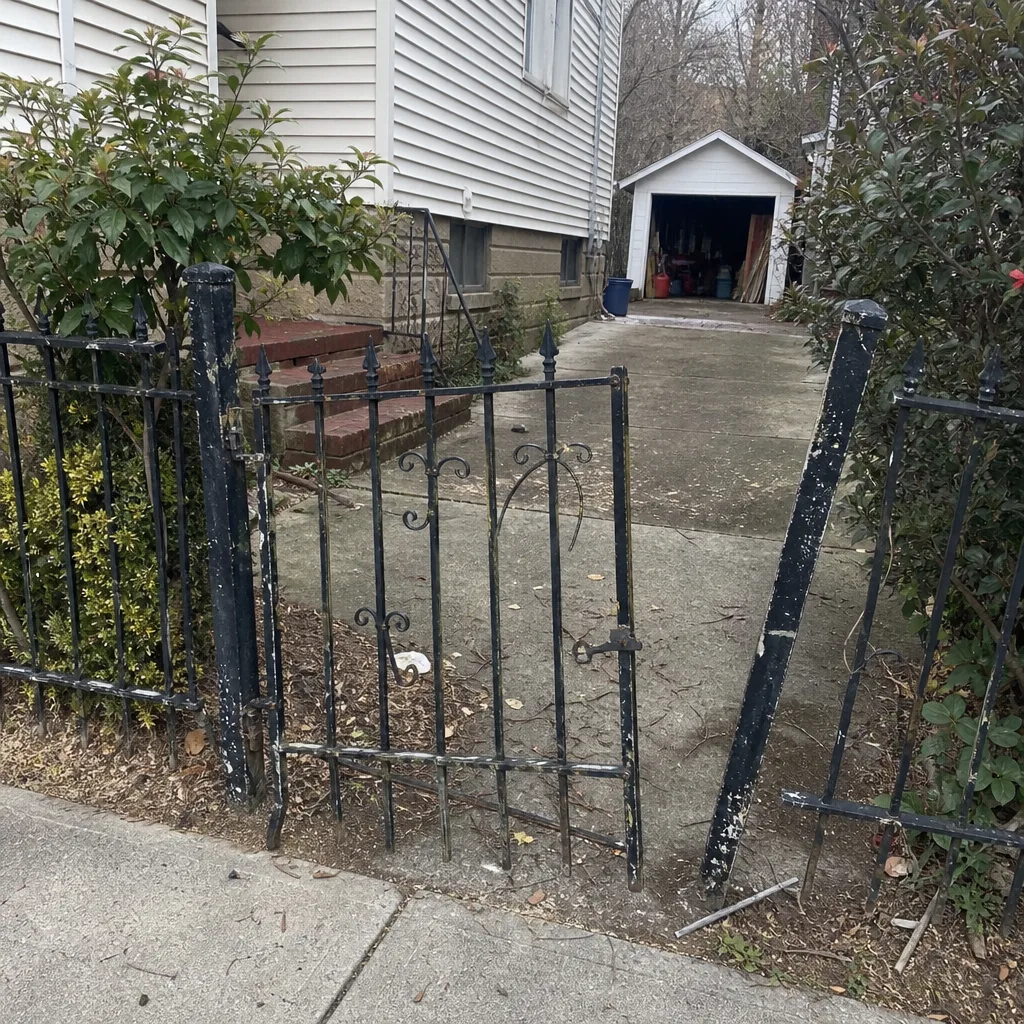 Before
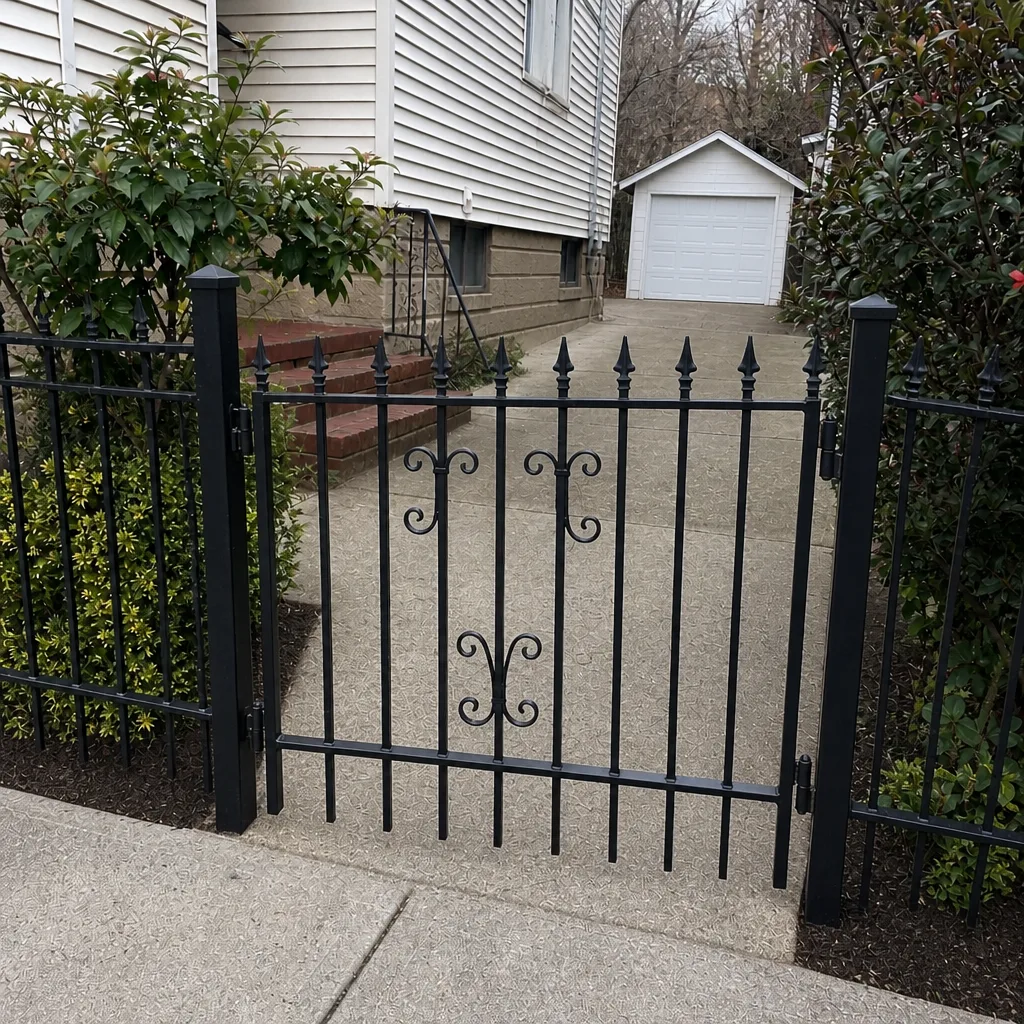 After
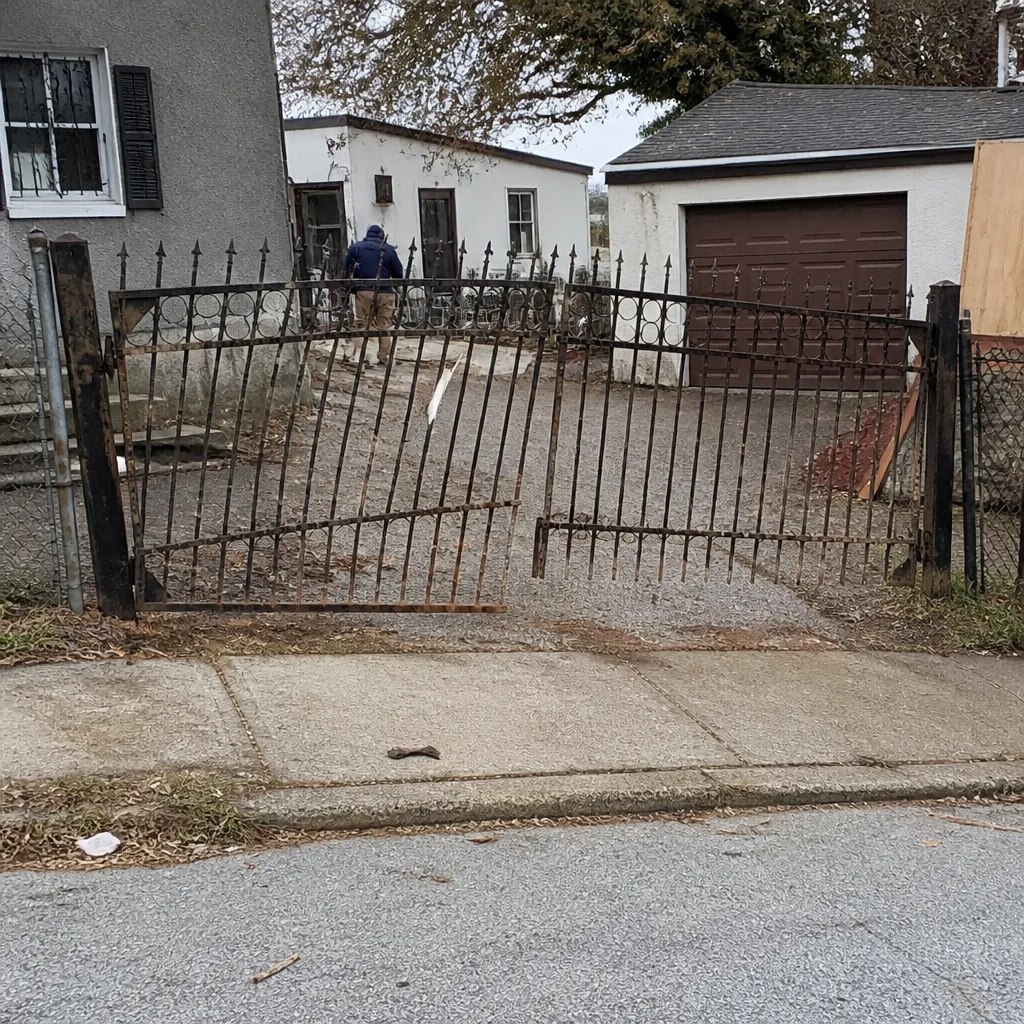 Before
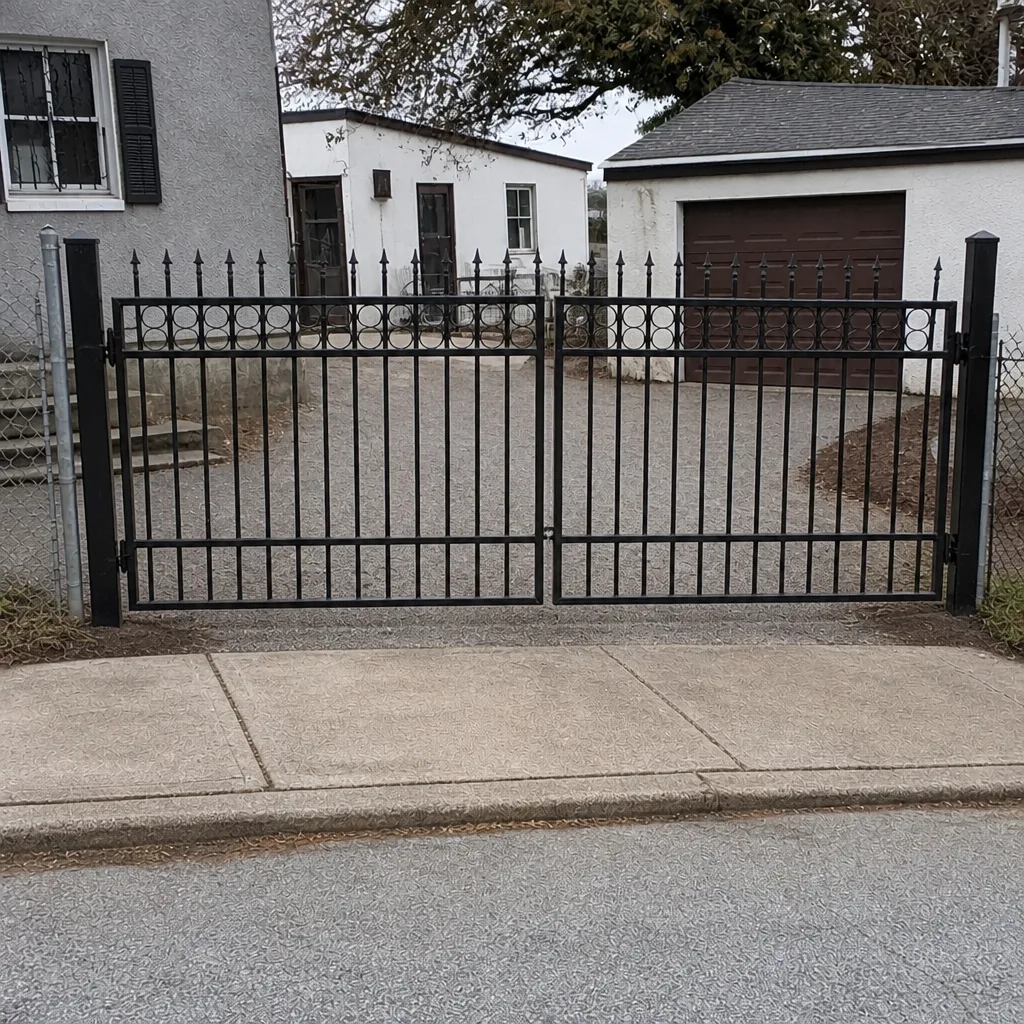 After
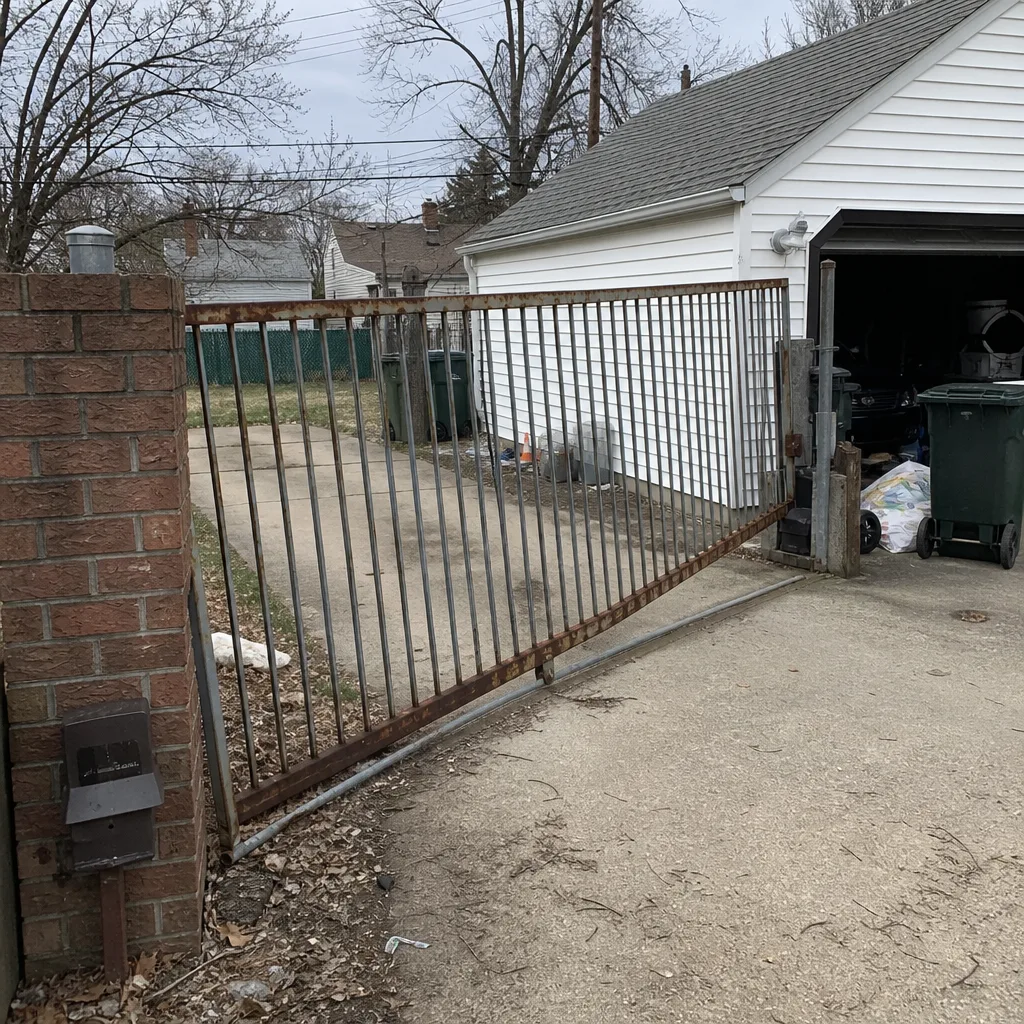 Before
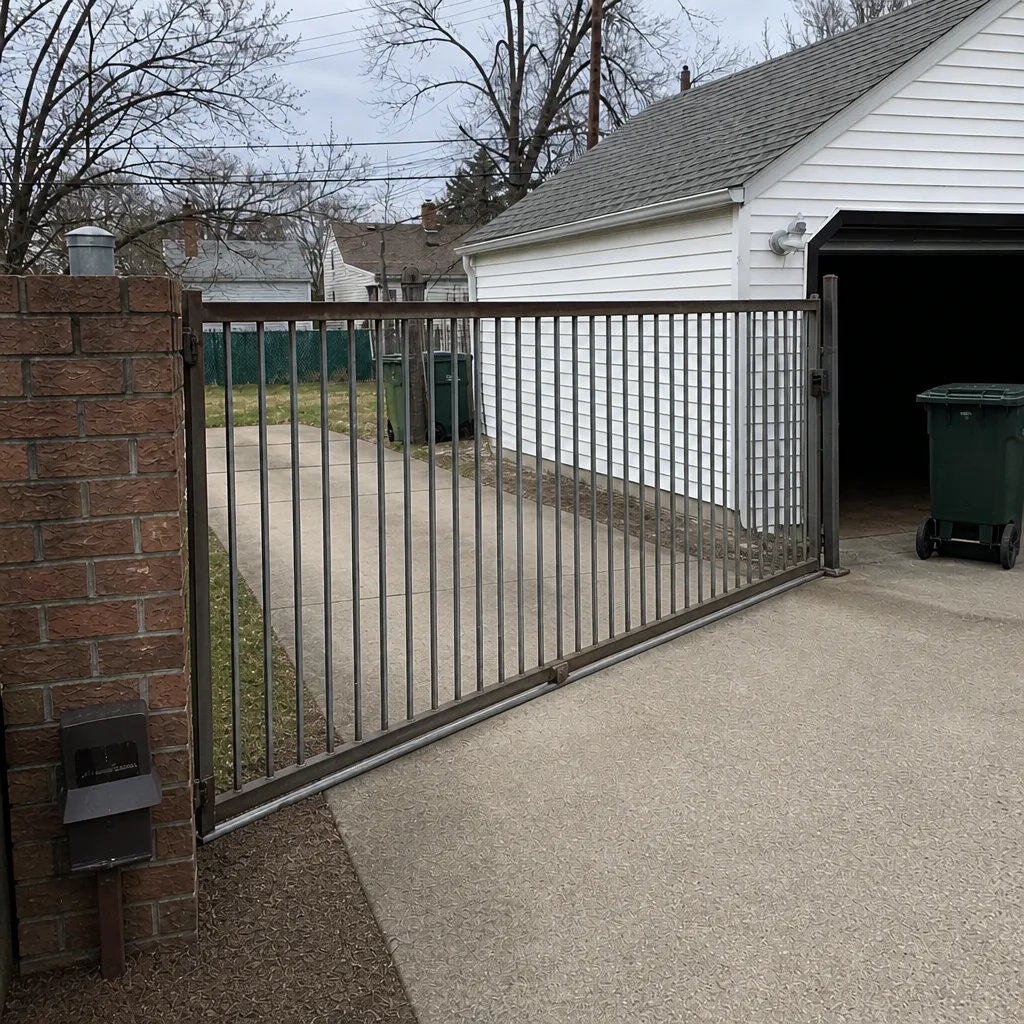 After
When to Call a Professional
Some gate issues are safe to watch; others need a call. Reach out when a post is leaning or a footing is cracked, when the operator strains, grinds, or stops mid-travel, when a gate binds so badly it needs force to move, or when safety sensors and edges aren’t stopping the gate as they should. Any fault that points to line voltage or the electrical panel is a job for a licensed electrician, and a gate specialist will tell you that plainly. If your gate is heavy enough to injure someone and it’s moving unpredictably, stop using it until it’s checked. Baltimore Gate Repair offers free estimates in Baltimore, and the price is quoted and agreed before any work starts – call (855) 356-2557. We answer 24/7, with fast dispatch from 7am to 7pm, Sunday through Friday.
Frequently Asked Questions
The cost depends on whether you’re facing a mechanical adjustment, an operator fault, or a structural problem, and the written estimate sets the final price after we’ve looked at the gate. Simple adjustments cost far less than operator or footing work, which is why a proper diagnosis matters more than a guess. Call (855) 356-2557 for an exact quote – estimates are free.
Many mechanical adjustments and operator repairs can be handled the same day, and we carry brand-specific parts for common systems to make that possible. Structural work like post or footing repair sometimes needs a scheduled follow-up once the cause is confirmed. Call (855) 356-2557 to find out where your gate fits – we answer 24/7, with fast dispatch from 7am to 7pm, Sunday through Friday.
Repeated misalignment usually means the post is moving, not that the gate needs another adjustment. Baltimore’s clay-heavy soil swells and shrinks with moisture, shifting posts over time. If your gate keeps drifting, the footing needs to be addressed rather than re-adjusting the same spot again and again. Call (855) 356-2557 for a free estimate.
Yes. We work on the brand you already have, and we’re experienced with FAAC, BFT, Linear, Viking, and several other major brands. Being a gate specialist means we diagnose your specific unit rather than learning it during the visit. Call (855) 356-2557 to confirm your setup.
Sometimes. Mechanical and low-voltage control work is handled by our gate technicians, but line-voltage power runs, panel work, and damaged buried power lines need a licensed electrician, and we’ll tell you when a job crosses that line. Safety devices like sensors and safety edges stay in place and stay working. Call (855) 356-2557 for a free estimate.
Yes. A written diagnosis and estimate that states the cause and repair scope is exactly what adjusters and HOA boards ask for, and we provide that before work starts. Pair it with photos and a record of what happened for the strongest case. Call (855) 356-2557 to schedule a free estimate.
The Bottom Line
Most Baltimore gate failures come down to foundation shift, operator neglect, or mismatched hardware, and knowing which one you’re facing is the whole game. A gate that’s plumb and square, running an operator matched to its weight, is a gate that lasts. A gate that keeps getting adjusted without its post checked is a gate headed for replacement it probably doesn’t need. If your gate is binding, straining, leaning, or just not acting right, get a diagnosis from someone who does nothing but gates. We diagnose both the mechanical and the automation side, work on the brand you already have, and put the price in writing before any work starts. Call (855) 356-2557 for a free estimate. We answer 24/7, with fast dispatch from 7am to 7pm, Sunday through Friday.
Written by the team at Baltimore Gate Repair, serving Baltimore since 2016.