
Last updated November 14, 2026
 Wrought iron
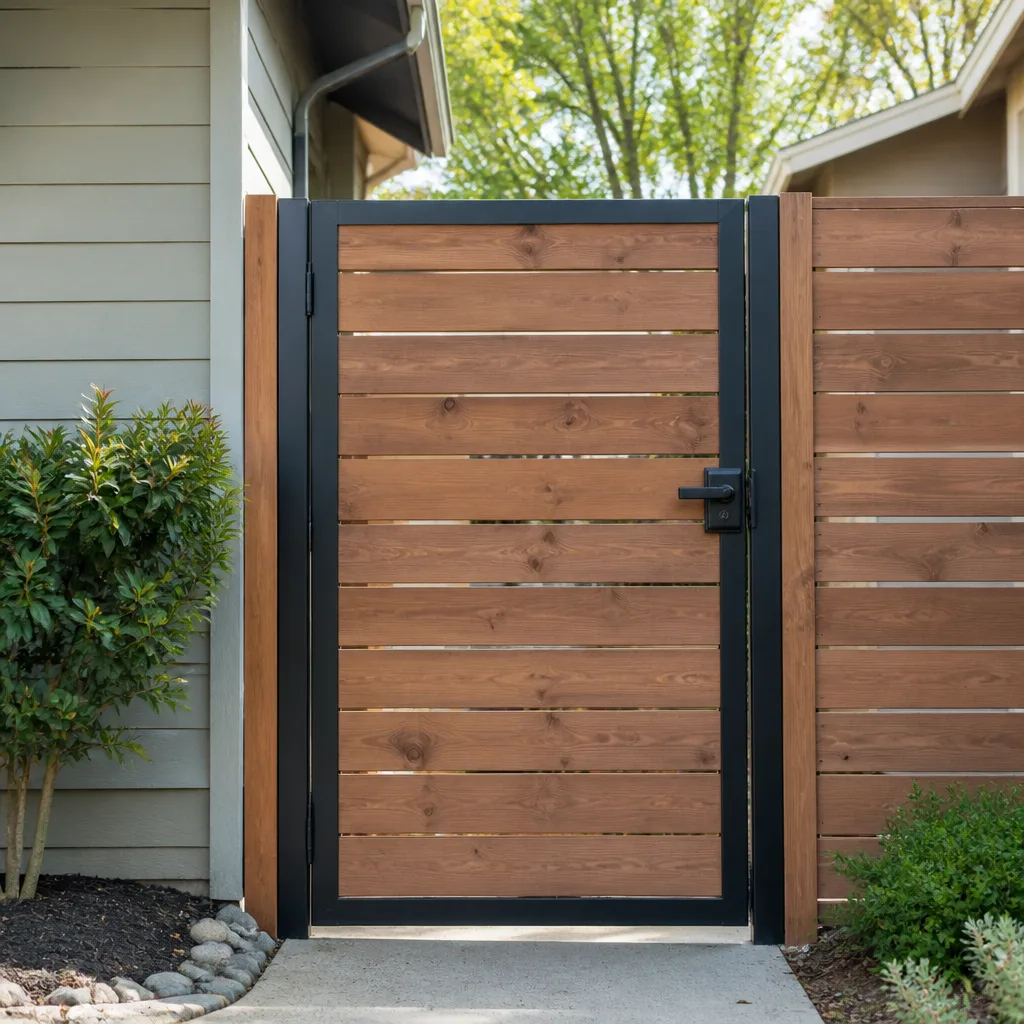 Wood & steel frame
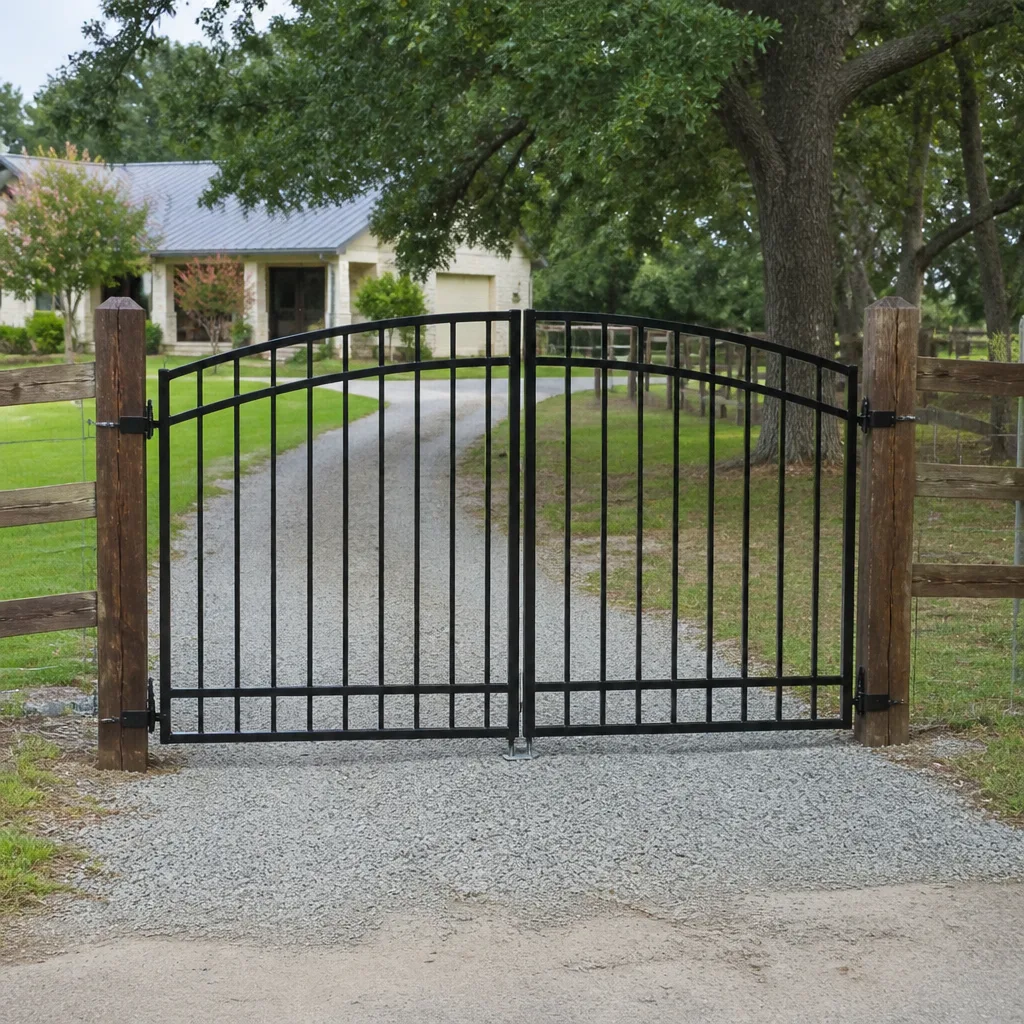 Farm & ranch
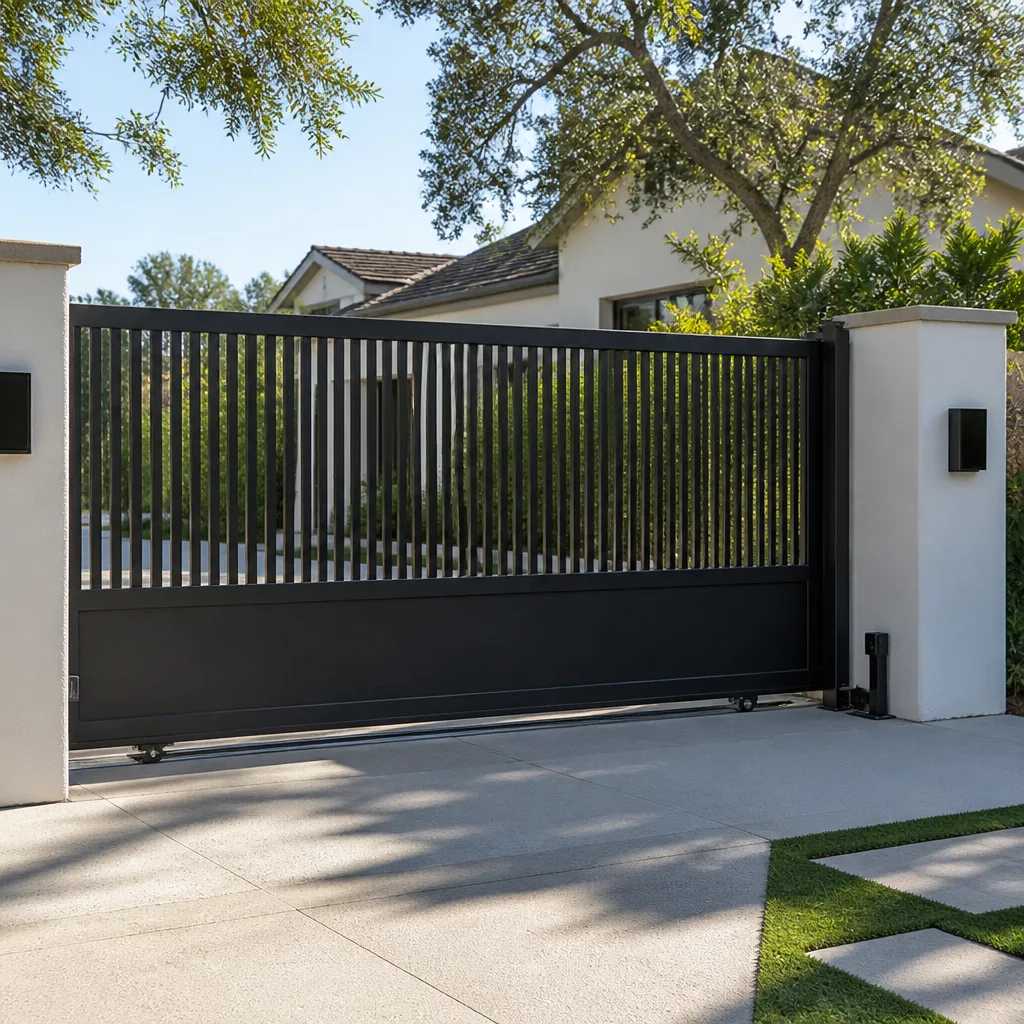 Sliding driveway gates
 LiftMaster operators
Free on-site gate assessment - hinges, posts, and your LiftMaster or Nice gate operator checked before anything is quoted
The assessment is free and the quote is the invoice.
Get your free estimateSeasonal Gate Repair Care for Baltimore: Year-Round Homeowner’s Guide
Most gate advice you’ll find online is one list of tasks repeated for every month of the year. Grease the hinges, check the hardware, tighten what’s loose. That approach treats a Baltimore gate like it lives in a climate-controlled room. It doesn’t. A gate here goes through four genuinely different stress cycles: freeze-thaw heave in winter, corrosive summer humidity, spring storm load, and fall thermal contraction. A routine that protects a gate in January can miss the real problem in July. This guide treats each season as its own technical problem, so you can spot the failure mode before it turns into a repair.
Quick Answer
Seasonal gate care in Baltimore means matching your checks to the season instead of running the same routine all year. From November through March, watch for post heave and sag as clay soil freezes and thaws; in summer, watch wood joinery and metal hardware for humidity swelling and corrosion; in spring, check storm load, latches, and auto-close sensitivity; in fall, expect gates that worked in August to bind as metal and wood contract. Each season has one task that, skipped, compounds into a repair the following season.
Styles & brands we work with
- Wrought iron
- Wood & steel frame
- Farm & ranch
- Sliding driveway gates
- LiftMaster operators
Table of Contents
- Winter: Freeze-Thaw Heave and What to Monitor from November to March
- Spring: Storm Load, Latch Security, and Auto-Close Sensitivity
- Summer: Humidity, Wood Joinery, and Hardware Corrosion
- Fall: Thermal Contraction and Why Gates Bind in October
- The One Task Each Season That Compounds If You Skip It
- Manual and Electric Gates Need Different Seasonal Checks
- Common Mistakes to Avoid
- When to Call a Professional
Winter: Freeze-Thaw Heave and What to Monitor from November to March
Baltimore sits on clay soil that holds water, and that combination is the reason winter is the most punishing season for gate posts. Wet clay expands when it freezes and settles when it thaws. Repeat that cycle through a Maryland winter, and a post that started the season plumb can finish it leaning a fraction of an inch. That fraction matters. On a swing gate, a fractional shift at the post becomes a visible misalignment at the latch. On a slide gate, it can push the track out of plane enough that the operator works harder on every cycle.
Here’s what to watch from November through March:
- Post lean: Sight down the line of the gate and look for a post that’s tipped. A small lean in December is usually a track or latch problem by February.
- Ground movement around footings: Soil that’s heaved away from the base of a post leaves a gap where water pools and freezes again.
- Latch alignment: If the latch catches high or low, or needs a lift to close, the post has likely moved.
- Hinge and pivot play: Cold makes metal hardware brittle. Loose hardware in freezing temperatures puts more stress on the gate frame.
- Operator strain: An automatic gate that sounds labored in cold weather is often fighting a track or post that shifted. Don’t assume the motor is failing.
- Ice at the gate path: A slide gate that runs on a ground track will bind on packed ice. Clear the path before operating it.
Freeze-thaw also works on the gate itself. Wood frames take on moisture and swell, then contract when it freezes. Metal frames contract and can reveal a loose weld or a fastener that’s backed out. Neither is urgent in December. Both are a repair by spring if they’re ignored.
A gate that fails in the middle of a cold snap is worth a call rather than a wait. We answer 24/7, and fast dispatch from 7am to 7pm, Sunday through Friday, means a frozen or binding gate gets looked at before it damages the operator. One thing to remember: a wooden gate sitting on a gatepost doesn’t have a torsion spring to worry about, so the winter danger here is post movement and hardware stress, not stored mechanical energy. The parts worth a professional’s eye are the operator wiring and any heavy panel that could shift or fall.
Spring: Storm Load, Latch Security, and Auto-Close Sensitivity
Spring in Baltimore brings the season’s real wind and storm load, and it arrives right after a winter that may have loosened posts and hardware. That timing is what makes spring the season to check everything the winter moved. A gate that survived the cold with a slightly loose hinge becomes a gate that rattles, then drags, then fails once wind load adds to the problem.
Storm prep is a sequence, not a single check. Work through it in this order:
- Walk the perimeter and load-test the frame. Push gently against the far end of the gate in both directions. Excessive flex means a loose fastener or a weakened frame member.
- Check every latch and striker. A latch that doesn’t fully seat will blow open under wind load. Test it by hand, then watch it close under normal operation.
- Inspect the hinges and the pivot. With the gate at rest, look for gaps between hinge plates and the frame. Spring storms will find any play you leave in place.
- Test auto-close sensitivity. If your gate closes by itself, run it through a full cycle and watch the close. It should move smoothly and slow near the end. A close that speeds up or slams needs adjustment before the stormy weeks.
- Check the safety devices. Photo eyes, safety edges, and loop detectors should stop or reverse the gate when triggered. Test each one by hand. If a safety device doesn’t respond, stop using the automatic operation until it’s fixed.
- Clear the travel path. Debris, new landscaping, and winter wash-out all change the ground under a slide gate. Clear it and re-level if needed.
Automatic gates deserve extra attention in spring. A LiftMaster or Linear operator that’s been reliable all winter can act erratically when the gate is suddenly harder to move. In our experience, that’s usually the gate, not the control board. Sensitivity settings that worked on a warm day can produce a false obstruction fault in cold or windy weather, and an operator that keeps reversing may be reporting a real mechanical bind.
Safety matters here, and it isn’t optional. Never reach into the travel path of an automatic gate to test it, and never bypass a safety edge or photo eye to keep the gate working. Those devices exist to stop a heavy panel before it reaches a person or a vehicle. If a safety device is failing, the fix belongs with someone who works on the automation, not with a temporary workaround.
Summer: Humidity, Wood Joinery, and Hardware Corrosion
Baltimore summers are humid, and that humidity does two things to a gate at the same time. It swells wood joinery and it accelerates corrosion on metal hardware. Most homeowners notice the second one and miss the first until a hinge pulls loose.
On a wooden gate, watch the joints and the frame. Humidity pushes moisture into the end grain, and the joints absorb it before the flat boards do. A joint that was tight in April can be noticeably swollen by July. That swelling stresses the fasteners holding it together, and it can throw the gate out of square. Look for these early signs:
- Joints that feel tight or show a slight gap at the shoulder
- A gate that’s harder to latch in humid weather than in dry weather
- Hinge screws that have started to stand proud of the wood
- Paint or stain failing at the joints, where moisture gets in first
- A gate that drags at the bottom because the frame has swelled downward
On metal gates and hardware, summer humidity is a corrosion problem. Hinges, latches, and the pivot points on a swing gate collect moisture and hold it. A little surface rust on a hinge is cosmetic. Rust at a pivot pin is a future repair, because it turns a smooth swing into a stiff one. Wipe down and lubricate the moving hardware once the humid season starts, and pay attention to any fitting that’s started to stiffen.
Summer is also when automatic gates get the most use, and heat puts its own load on the operator. Control boxes, motors, and batteries all run hotter in July. Before the hottest weeks, check that the operator enclosure is clear of debris and that the venting isn’t blocked. If the gate is starting to hesitate, reverse, or stop partway through a cycle, that’s worth a diagnostic rather than a guess. An FAAC or BFT operator that’s been fine for years can start acting up when a binding gate and high heat combine, and the cause is often mechanical.
The one thing to avoid in summer is painting over a swollen joint to “seal it.” Trapped moisture under a fresh coat of paint is how a swollen joint becomes a rotted one by the following summer.
Fall: Thermal Contraction and Why Gates Bind in October
Every fall, we get calls about gates that worked fine in August and suddenly won’t close. The gate hasn’t changed. The temperature has. Metal and wood both contract as the air cools, and a gate that was set to a comfortable tolerance in summer can tighten up enough to bind by October. This is one of the most common seasonal gate complaints in Baltimore, and it’s also one of the most misdiagnosed.
Here’s what contraction does to each part of a gate:
- Swing gate frames: The frame shrinks slightly, which can pull the latch out of alignment or make the gate scrape at the bottom.
- Slide gate tracks: A track that sat level in summer can develop a high spot in cool weather, and the gate will catch on it.
- Hinges and pivots: Contraction increases the load on the pivot points and can reveal a worn pin that was masked in warm weather.
- Operator components: Chains, belts, and linkages contract, and a drive that was correctly tensioned in August may be too tight in October.
The fix depends on the cause, and it usually starts with an adjustment rather than a replacement. A binding swing gate often needs its hinges or latch re-aligned for the season. A slide gate that’s catching needs its track checked for level and any high spot dressed down. A drive that’s too tight needs its tension set to the operator manual’s cold-weather spec, which is a job for someone who works on that brand.
Fall is also the best time to prepare for winter. Clear the travel path while the ground is still soft enough to re-level. Check the drainage around gate posts before the freeze arrives. And if you’ve noticed a slight bind in October, get it adjusted before the freeze-thaw cycle makes it worse. A fall adjustment is often the difference between a gate that runs all winter and one that binds in January.
The One Task Each Season That Compounds If You Skip It
Every season has a single task that’s easy to skip because nothing seems broken yet. Each one, skipped, turns into a repair need by the following season. If you only do four things all year, do these:
- Winter: check post stability and the ground around the footings. Freeze-thaw is the number one cause of post lean. Catching a lean in December is an adjustment. Missing it means a post re-set by spring.
- Spring: test every safety device and the auto-close. A safety edge or photo eye that fails silently is a hazard, and a close that slams under wind load puts stress on the operator and the gate.
- Summer: check wood joinery and lubricate metal hardware. Swollen joints stress fasteners, and stiff pivots become seized pivots. Both are cheap to catch and expensive to fix later.
- Fall: adjust for contraction before the freeze. A slight bind in October becomes a jammed gate in January. The adjustment is quick and the alternative is not.
If you can only do one seasonal task, and you have a wooden gate on clay soil in Baltimore, make it the winter post check. That’s the one that compounds fastest. A leaning post throws off the latch, the hinges, the track, and the operator, so one small winter movement turns into a cascade of spring repairs.
Manual and Electric Gates Need Different Seasonal Checks
A manual gate and an automatic gate share the frame, the posts, and the hardware, but they fail differently at each season. Electric gate repair often starts as a mechanical problem that the operator reports before the homeowner notices it. That’s why it helps to know which checks belong to the gate and which belong to the automation.
On any gate, manual or automatic, the seasonal checks for posts, hardware, and frames are the same. On an automatic gate, add these to each season:
- Winter: Listen to the operator run. A labored sound in cold weather usually means the gate is binding or the drive is over-tensioned.
- Spring: Test the safety devices under load, and watch a full open and close cycle for hesitation.
- Summer: Check that the operator enclosure is clear of debris and that the control box isn’t overheating.
- Fall: Check drive tension and set it for the cooler months. Check the battery backup and any remote or keypad function.
We work on the brand you already have. That includes LiftMaster and FAAC operators on residential swing gates and Linear and BFT on slide gates, and we carry the parts and diagnostic know-how for the automation side of the system rather than sending you to a second company. Electric gates sit at the meeting point of mechanical and low-voltage work, and diagnosing one properly means checking both at the same time. A gate that reverses may be reporting a safety edge fault, a mechanical bind, or a wiring problem, and the only way to know which is to test all three.
The safety caveat on the electric side is real. Never open the control box, never touch the operator’s wiring while the power is on, and never bypass the safety devices. Low-voltage doesn’t mean low risk. If your automatic gate shows an electrical fault, the fix belongs with a specialist.
Common Mistakes to Avoid
- Running the same maintenance list all year. A summer routine leaves freeze-thaw heave unchecked and a winter routine misses summer humidity damage. Match the task to the season or the schedule you keep the gate on will be mismatched to the gate.
- Ignoring a small post lean. A fraction of an inch in January is a latch and track problem by April. In Baltimore’s clay soil, a lean almost never corrects itself.
- Adjusting the operator when the gate is the problem. When an automatic gate acts up, the temptation is to change sensitivity or travel settings. More often the gate is binding, and the operator is reporting it accurately.
- Painting over swollen wood. A fresh coat over a humid joint traps the moisture in. Seal the wood, but address the joint before you seal it.
- Testing an automatic gate by reaching into it. Never test a photo eye, a safety edge, or an obstruction response with your hand in the travel path. Use a test object and watch the gate from outside the sweep.
- Forgetting that contraction makes fall the adjustment season. A gate that worked in August and binds in October isn’t broken. It needs a seasonal adjustment, not a replacement.
- Calling a generalist for a gate that also has an operator. A general handyman can tighten a hinge, but diagnosing a gate that reverses or a drive that’s slipping is a job for someone who works on the automation. We’re gate specialists, not generalists; every call and every truck is dedicated to gate work.
When to Call a Professional
Some seasonal problems are yours to handle with a wrench and a checklist. Others are worth a call right away. Call a professional if a post has visibly leaned or moved, if the latch won’t align after an adjustment, if a safety device fails its test, if the automatic gate reverses or stops partway through a cycle, if the operator wiring or control box needs attention, or if a heavy gate panel has come loose, sagged, or left its track. Those are cases where a DIY fix risks the gate, the operator, or a person. The same applies any time a gate is used by children, pets, or vehicles and its safe operation is in doubt.
Baltimore Gate Repair offers free estimates in Baltimore. Call (855) 356-2557. We answer 24/7, with fast dispatch from 7am to 7pm, Sunday through Friday. For a repair, we quote the price and agree it with you before any work starts, and we can work with your insurer when that’s relevant. For an installation, we measure, order, and schedule the work rather than promising a same-day job; the measure and the written price are the first step.
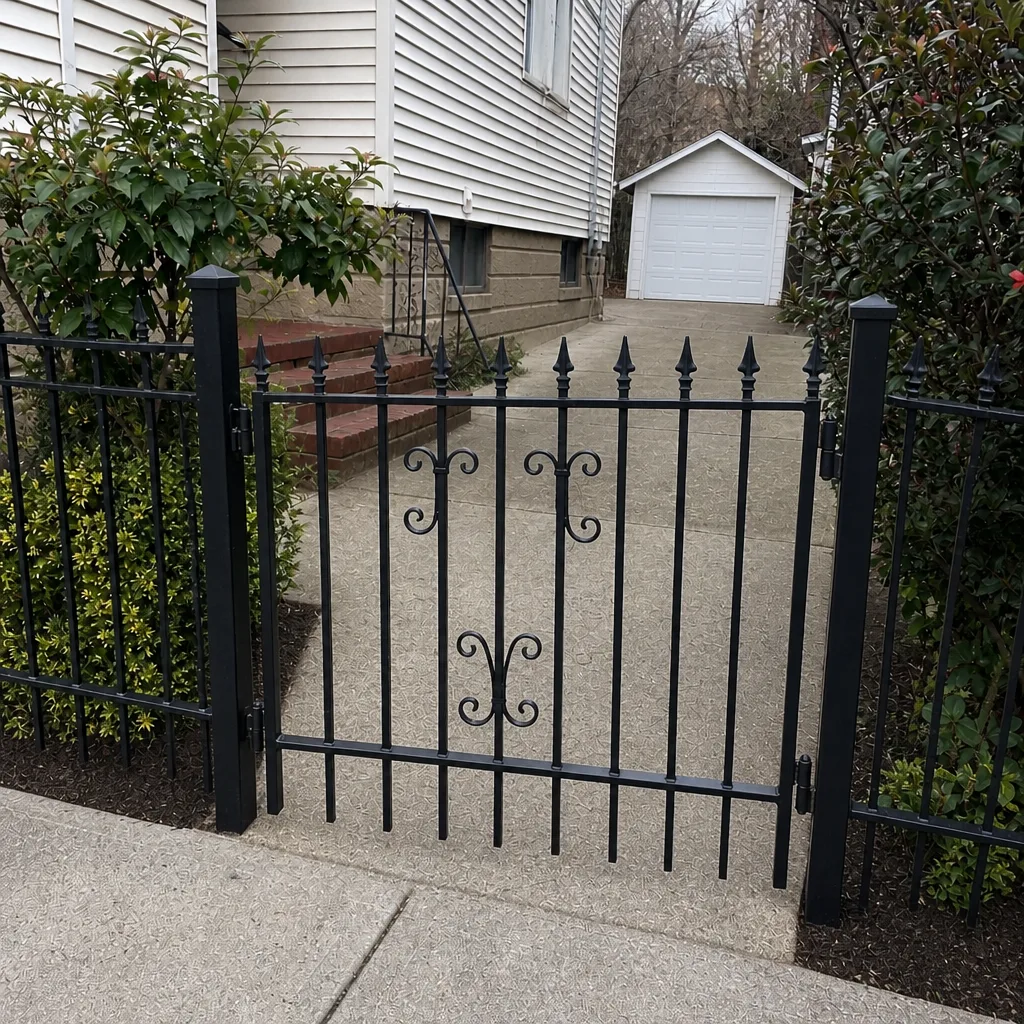
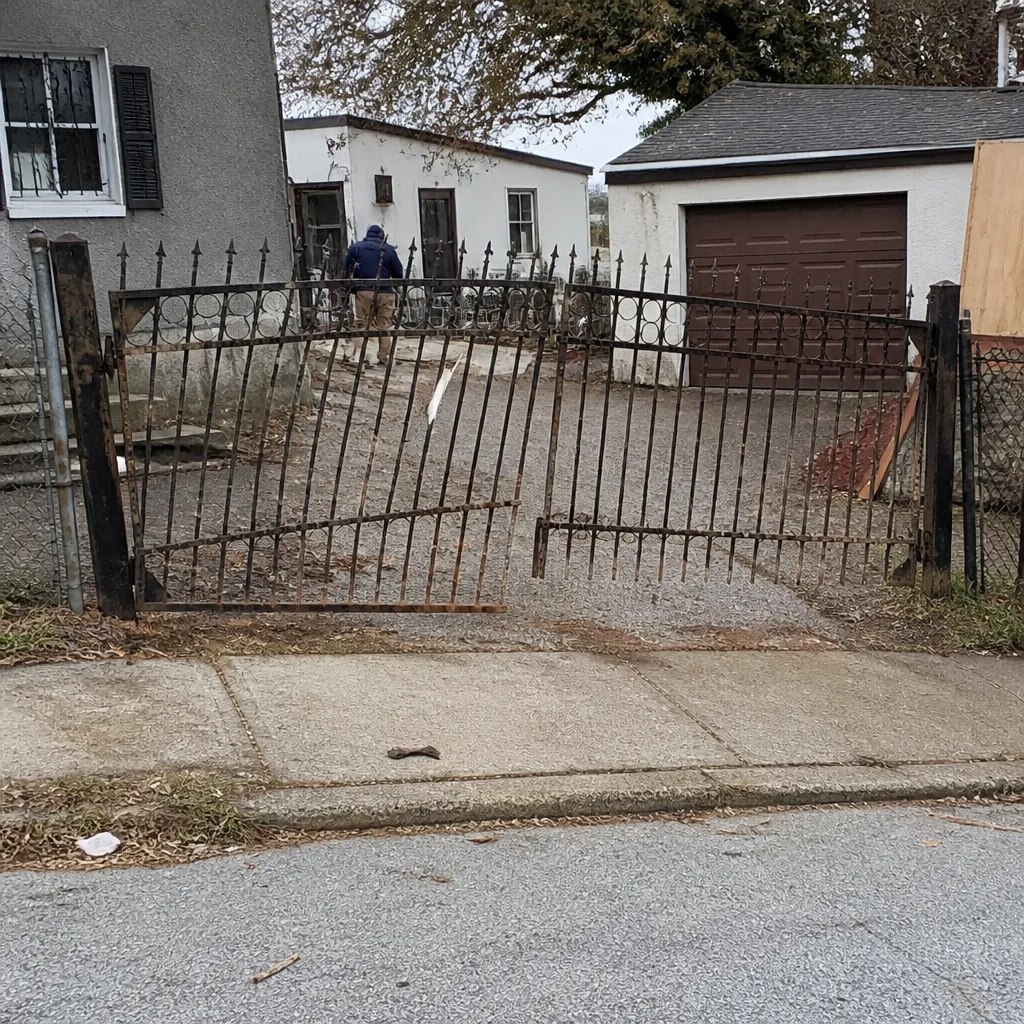
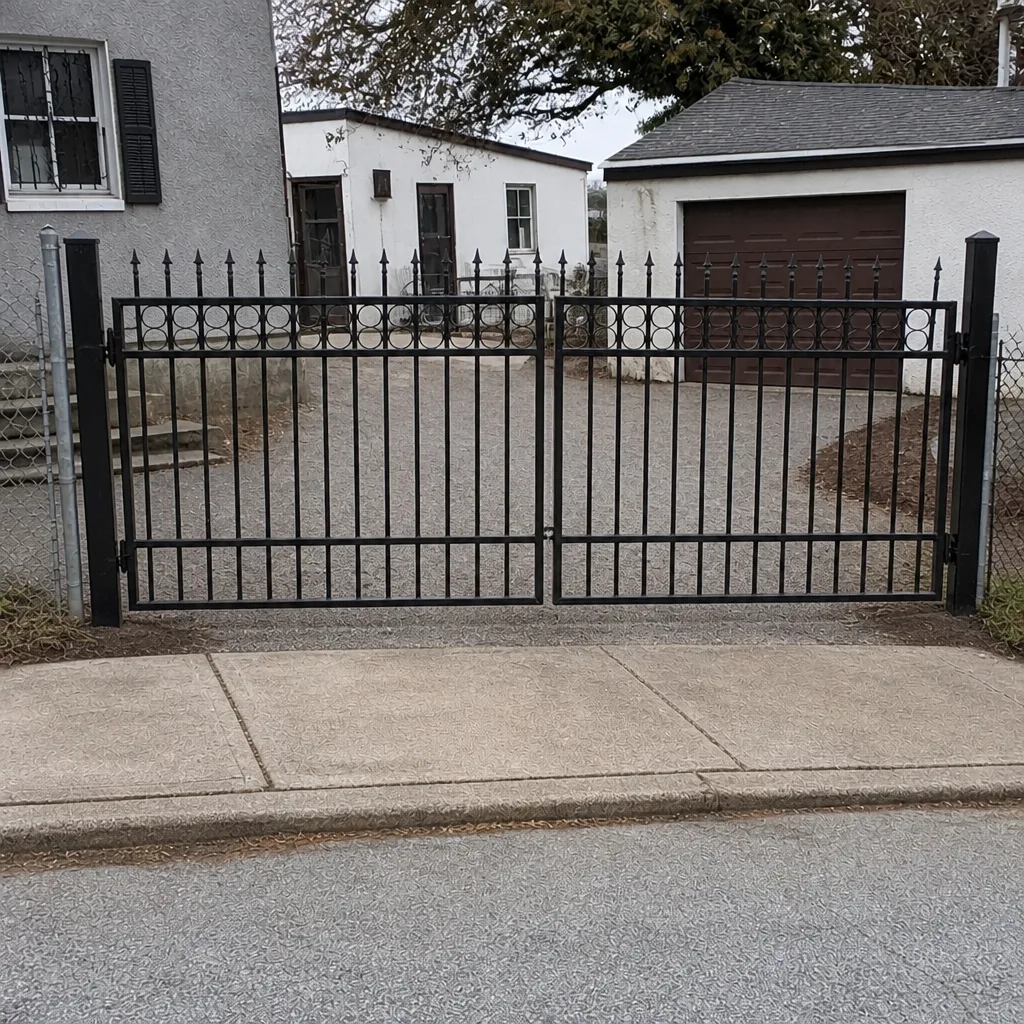
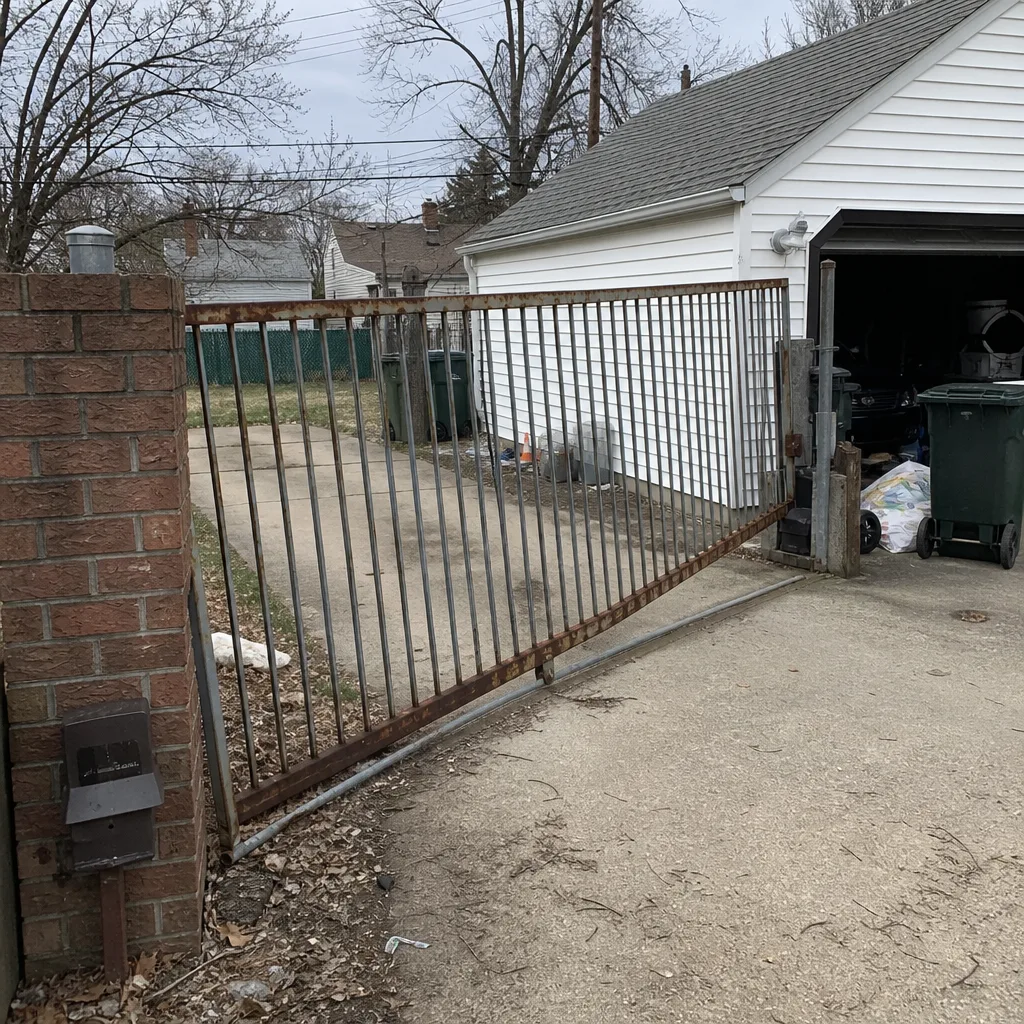
See the difference
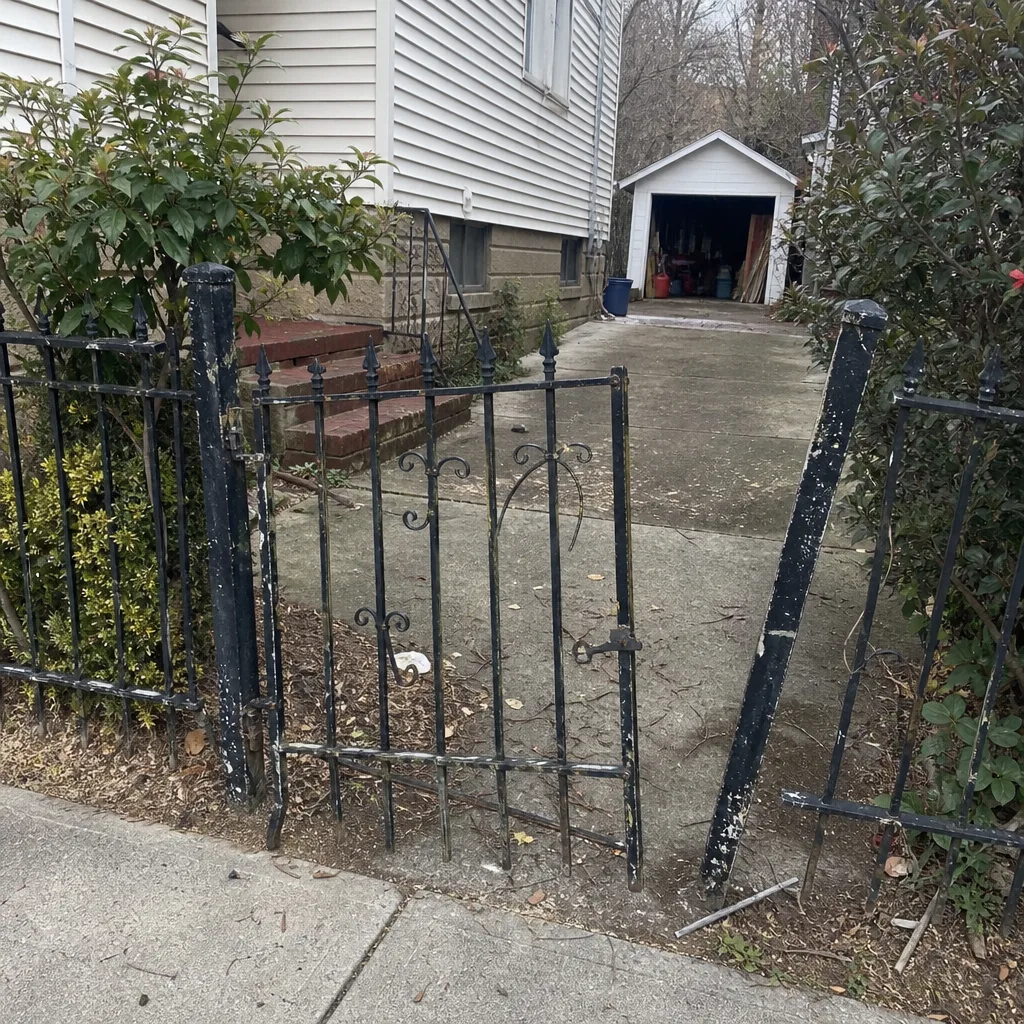 Before
 After
 Before
 After
 Before
 After
Frequently Asked Questions
It’s a gate care routine matched to each season’s stress on the gate, not one generic checklist repeated all year. Baltimore’s clay soil, humid summers, stormy springs, and cool, contracting falls each put a different load on posts, hinges, latches, and operators. Call (855) 356-2557 for a free estimate if your seasonal check turns up a problem.
At least once each season, and always before a storm season or a hard freeze. The spring check should include a safety device test and a full open and close cycle, and the fall check should include drive tension and battery backup. If you’re not sure what to check on your operator, call (855) 356-2557.
Thermal contraction. Metal and wood shrink as the air cools, which tightens tolerances and can pull a latch out of line or raise a high spot in a slide gate track. It’s a seasonal adjustment, not necessarily a repair. Call (855) 356-2557 for an estimate if an adjustment doesn’t solve it.
Yes. Clay soil expands when it freezes and settles when it thaws, and that cycle can move a post enough to throw a swing gate out of alignment or push a slide gate track out of plane. It’s the most common reason for winter gate problems here. Call (855) 356-2557 if you see a lean.
We handle both. Gate repair, electric gate repair, and gate installation all sit under one roof, so you don’t need a second company to finish the job. Electric or manual, we diagnose both sides of the problem. For a quote, call (855) 356-2557.
We’re factory-familiar with nine major gate and operator brands, including LiftMaster, FAAC, BFT, Linear, Viking, Ghost Controls, DoorKing, Elite, and Mighty Mule. We’re an independent specialist and experienced with the brand you already have. Call (855) 356-2557 to ask about your system.
The Bottom Line
Baltimore’s four seasons put a gate through four genuinely different loads, and the care that protects a gate in one season can miss the real problem in another. Watch for post heave and sag in winter, storm load and safety devices in spring, humidity damage to wood and hardware in summer, and thermal contraction in fall. Those seasonal checks are simple, but skipping a season is what turns a small adjustment into a real repair. And when a post leans, a safety device fails, or an automatic gate starts reporting a fault, get a specialist who works on gates and gate automation to look at it.
Call Baltimore Gate Repair at (855) 356-2557 for a free estimate. We’re gate specialists, not generalists, and we stay with your gate through all four seasons. We answer 24/7, and fast dispatch runs from 7am to 7pm, Sunday through Friday.
Written by the team at Baltimore Gate Repair, serving Baltimore since 2016.