
Last updated November 14, 2026
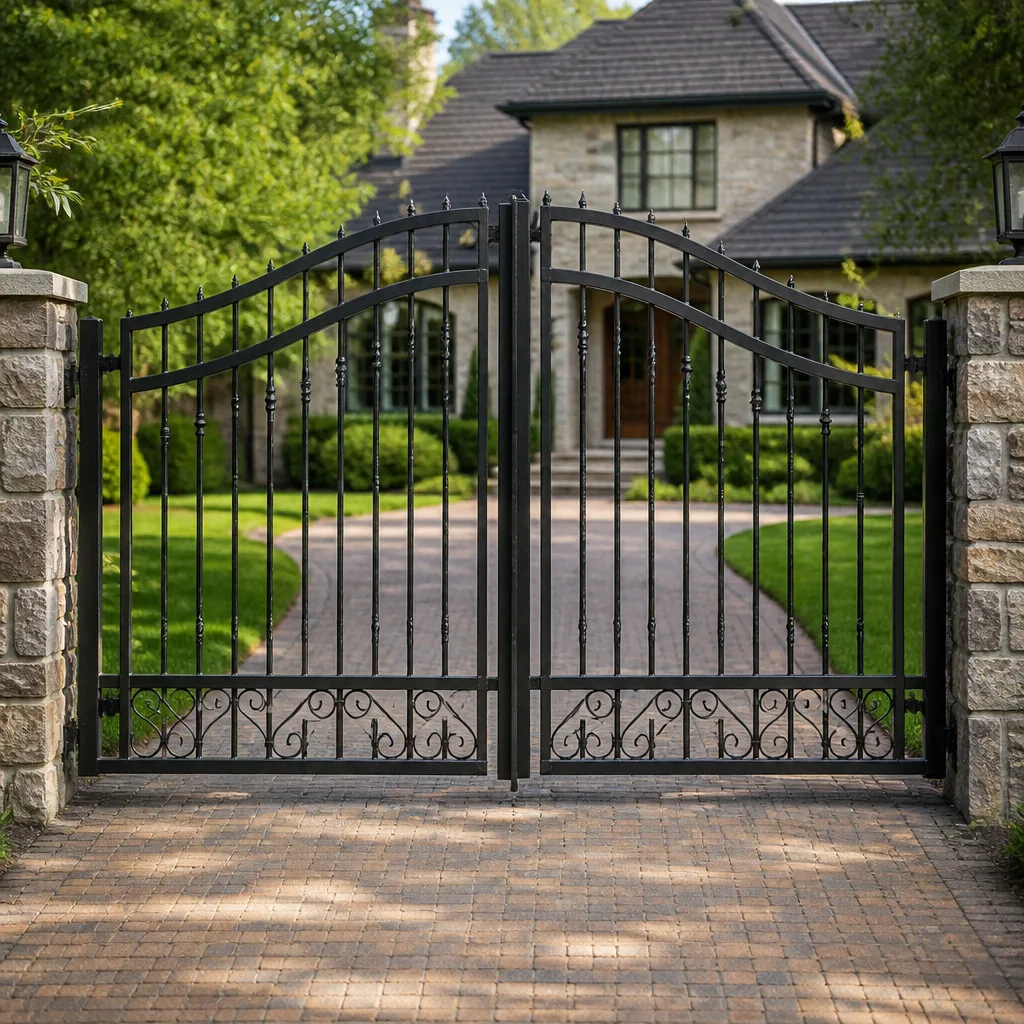 Wrought iron
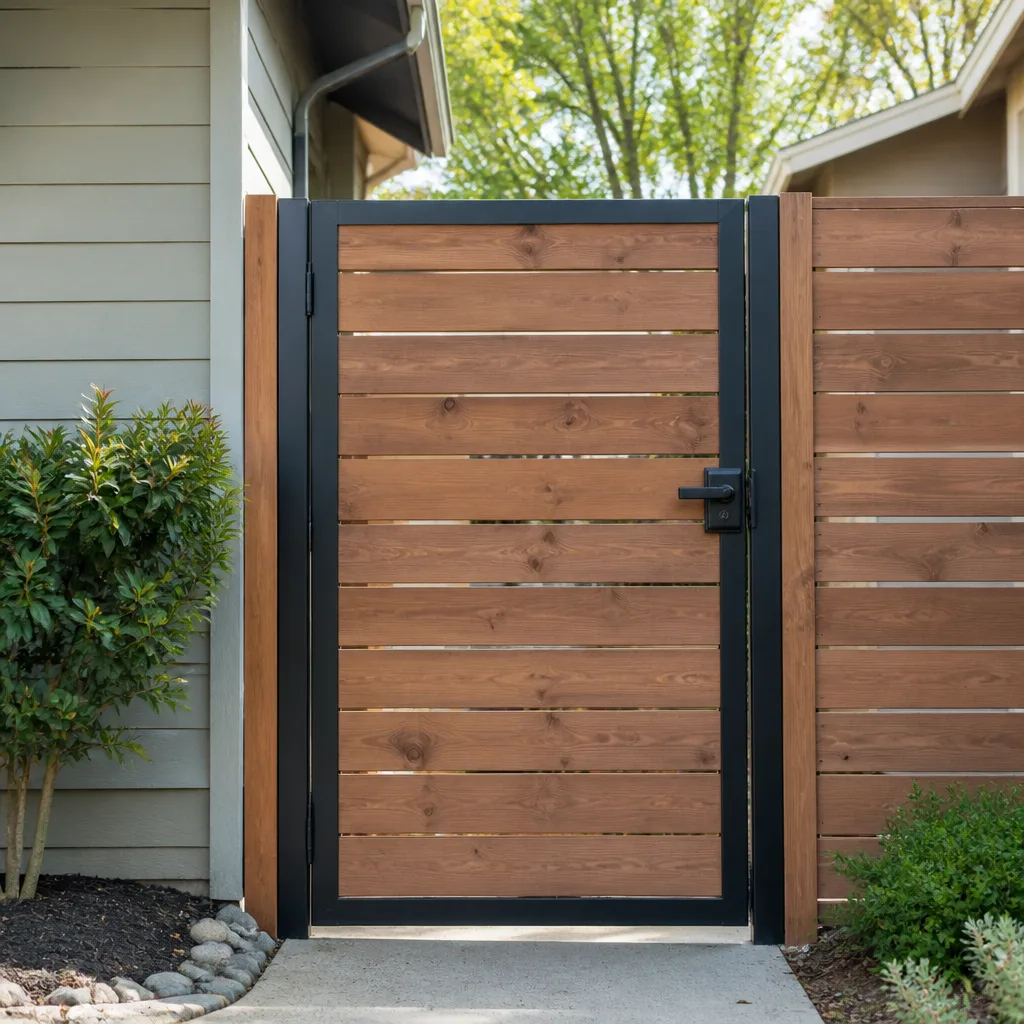 Wood & steel frame
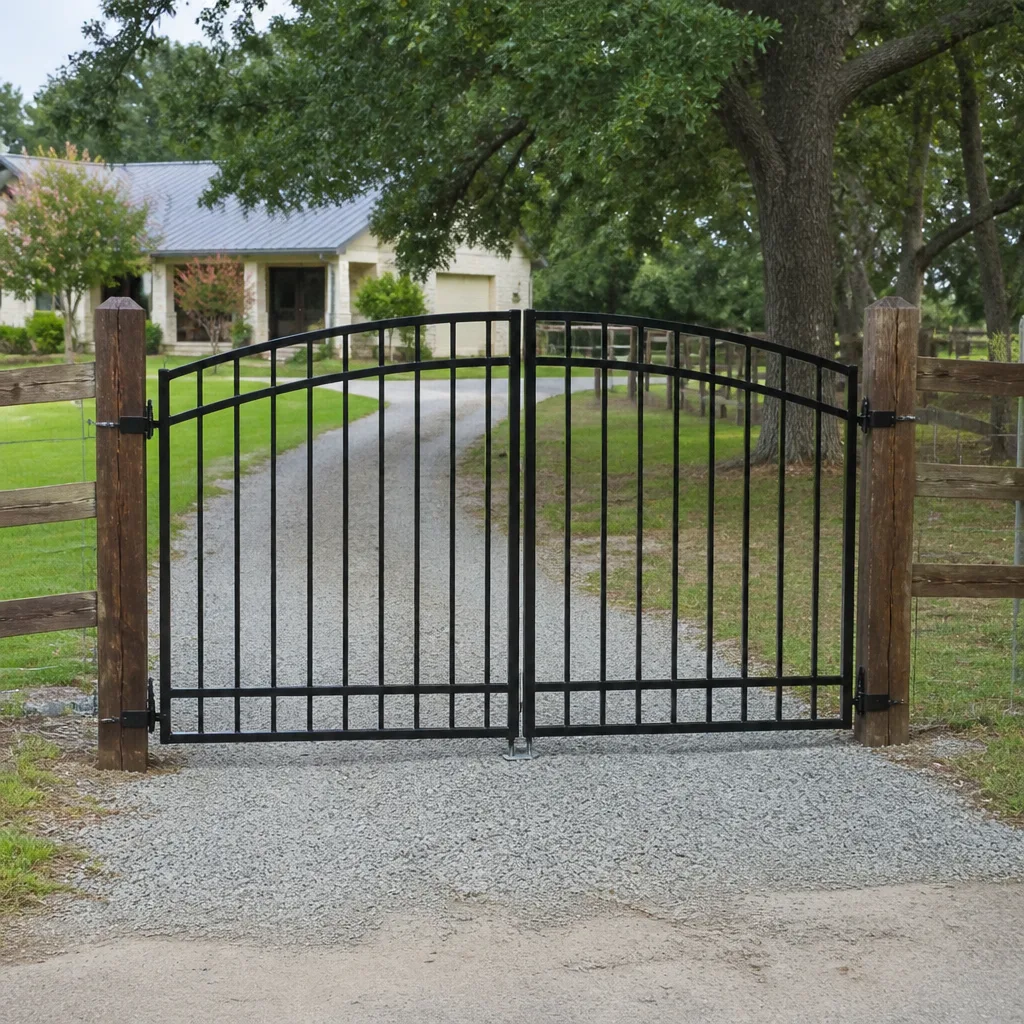 Farm & ranch
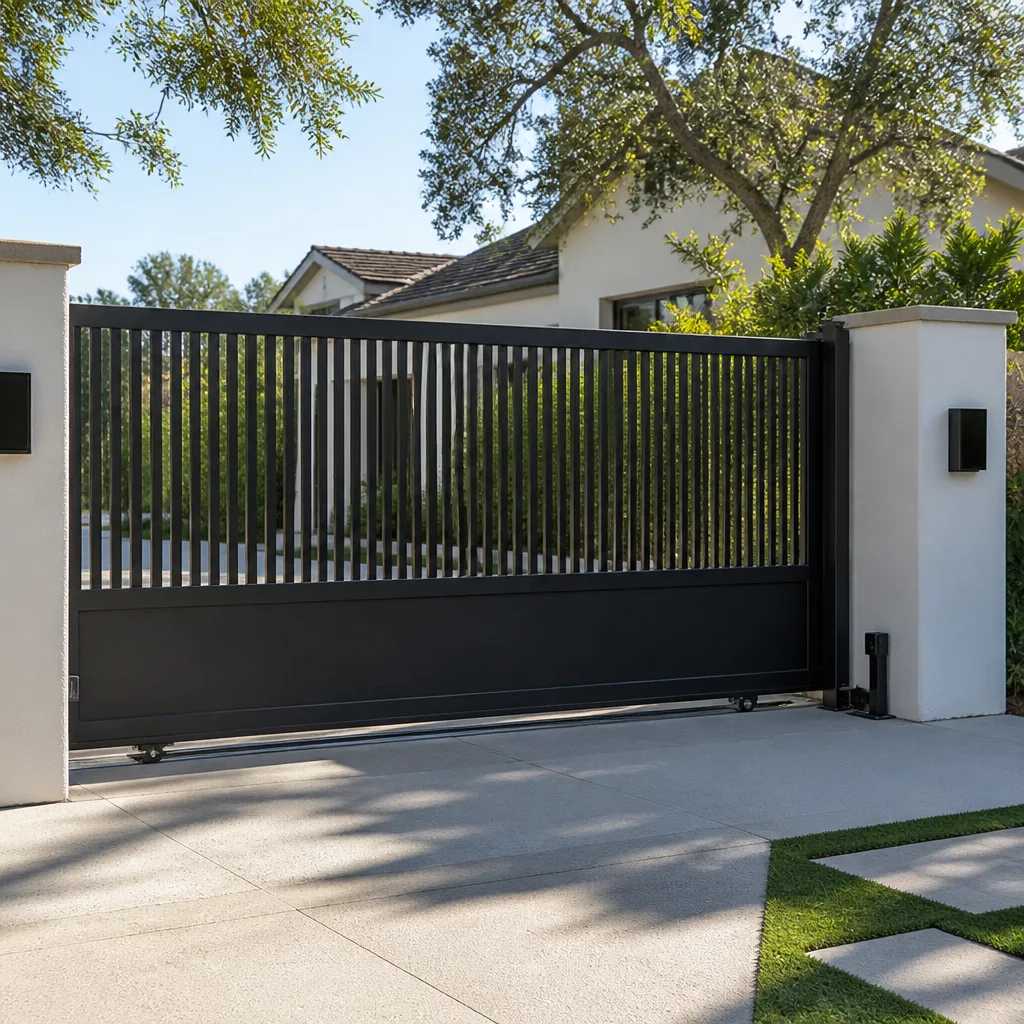 Sliding driveway gates
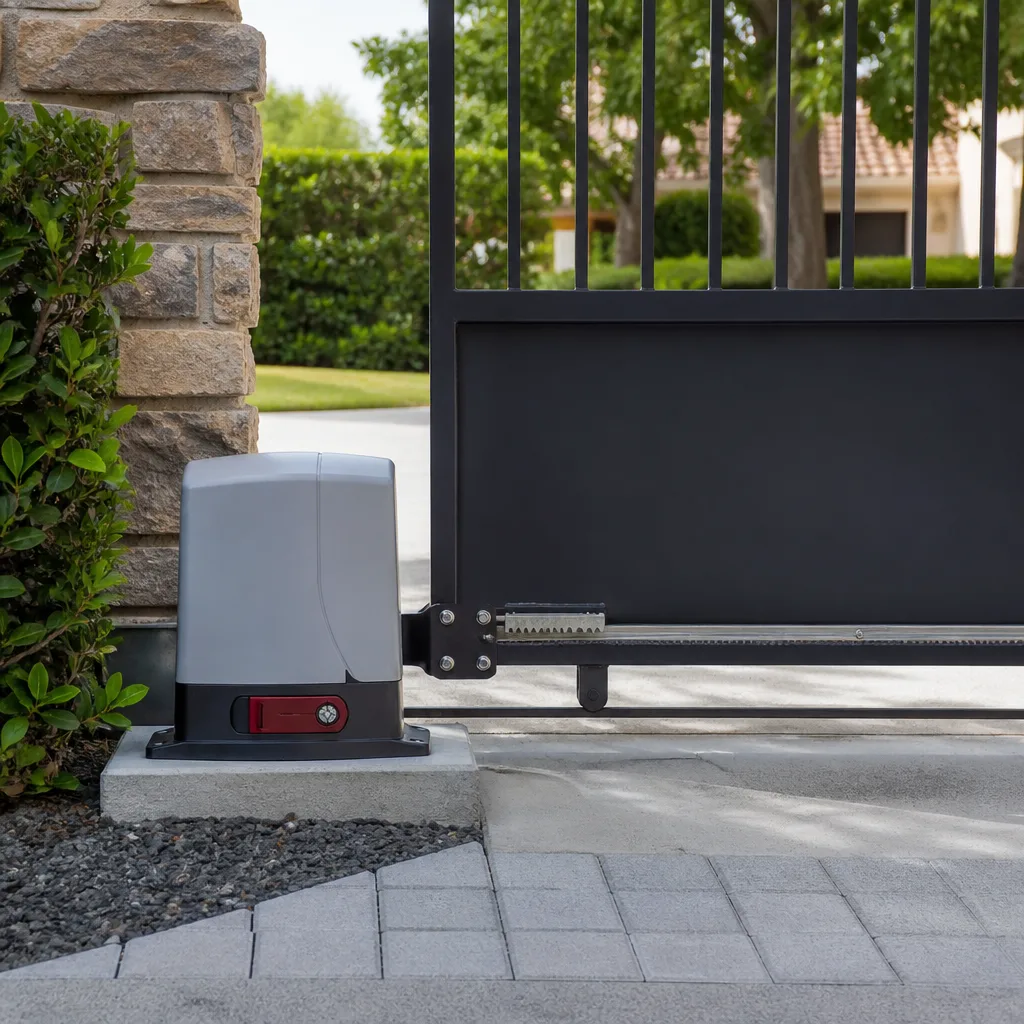 LiftMaster operators
Free on-site gate assessment - hinges, posts, and your LiftMaster or Nice gate operator checked before anything is quoted
The assessment is free and the quote is the invoice.
Get your free estimateChoosing the Right Gate Repair Brand: A Buyer’s Guide for Baltimore
Most buyers pick an automatic gate operator the way they pick a kitchen appliance: they compare the sticker price, glance at the warranty card, and assume the brand name on the box is the whole story. It isn’t. The detail no dealer tends to mention at the point of sale is lead time. When an operator fails and the part has to be ordered, the difference between a two-day fix and a six-week wait often comes down to which brand you installed in the first place. This guide is written from the repair side of the counter, not the sales side, and it’s built for Baltimore properties where the climate, the parts network, and the HOA rules all shape what “the best brand” actually means. You’ll learn how to judge a gate brand on what matters after the gate is hanging.
Quick Answer
The best gate brand for a Baltimore property is the one with local parts availability, an operator rated for your gate’s weight and cycle count, and a manufacturer that actually honors warranty claims through independent local dealers. For residential swing gates, Ghost Controls and Mighty Mule are common and serviceable; for commercial slide and barrier-arm systems, DoorKing and Elite are the workhorses. The brand matters less than the match between the equipment and the way your gate is used.
Styles & brands we work with
- Wrought iron
- Wood & steel frame
- Farm & ranch
- Sliding driveway gates
- LiftMaster operators
Table of Contents
- Why Parts Availability Beats Brand Name
- Gate Materials That Survive in Baltimore
- How to Read a Gate Operator Warranty
- Brand Choices for HOA and Access-Controlled Communities
- Repeat Failures vs. Long Service Intervals
- How Baltimore’s Climate Treats Gate Hardware
- A Step-by-Step Way to Evaluate Any Brand
Why Parts Availability Beats Brand Name
An operator is a mechanical device with a finite service life. When it stops, the question that matters isn’t how it looked on the brochure; it’s how fast the failed component can be in a technician’s hand. Some of the most heavily advertised operators sold in the Mid-Atlantic carry parts lead times measured in weeks when a control board or drive gear gives out. That’s not a knock on the brand’s engineering. It’s a fact about distribution. A gate that sits open for weeks because a board is on a slow boat is a property that sits open for weeks too.
Parts availability breaks down into three layers, and it’s worth understanding each before you commit to a brand:
- Local stock. Some components (batteries, remotes, limit switches, photo-eye boards) are common enough that any gate specialist keeps them on the truck. Others (control boards, drive gears, arm assemblies) are only fast if a distributor nearby stocks them.
- Distributor depth. A brand with a regional distributor serving the Baltimore market can get parts to a technician in days. A brand sold mostly through online warehouses cannot.
- Interchangeability. Brands that standardize parts across model years are cheaper to repair than brands that redesign every generation.
In our experience, the operators with the shortest down-time tend to be the ones with a steady local distributor footprint rather than the ones with the biggest advertising budget. That’s true whether you’re working with a residential swing gate in Canton or a commercial slide gate on a loading dock. If you’re already dealing with an undiagnosed failure, our gate repair page walks through what a first visit covers.
Gate Materials That Survive in Baltimore
The operator gets the attention, but the gate itself takes the beating. Baltimore’s climate sits in a humid continental band with hot, humid summers and cold winters that swing below freezing. That combination is hard on metal, hard on wood, and specific to what you should expect from each gate material. The other local factor is road salt: on any property near a plowed street or commercial lot, salt exposure attacks welds, hinges, and the bottom rails that hold gate fabric together.
Here’s how the common gate materials hold up:
- Wrought and ornamental iron. Heavy, secure, and long-lived when maintained. The failure point is usually rust at the welds and at ground level where salt and moisture collect. Rust-prone spots need attention before they become structural.
- Aluminum. Lighter than iron and resistant to rust, which makes it a sensible choice for coastal-inland humidity swings like Baltimore’s. Powder-coated aluminum holds up well but chips expose the metal underneath.
- Steel. Strong and affordable, but the most vulnerable to the salt and freeze-thaw cycle. Steel gates in commercial settings need consistent inspection at the hinge points.
- Wood. Warm and traditional, but Baltimore’s humidity pushes wood to swell and warp seasonally, which strains hinges and throws off the alignment an automatic operator depends on. Wood gates need the most frequent adjustment.
- Vinyl. Low-maintenance and immune to rust, but the frame can flex and the operator hardware has to be mounted with that flex in mind.
None of these is wrong. The right material depends on your security needs and how much maintenance you’re willing to do. But the brand of operator you pair with your gate has to match the gate’s weight and swing. A light-duty operator on a heavy iron gate is a failure waiting to happen, no matter whose name is on the motor.
How to Read a Gate Operator Warranty
A warranty card is a marketing document until you read the exclusions. The number of years on the box tells you very little about what you’ll actually get when the operator fails. What matters is what the manufacturer covers, who has to do the work, and who pays for the labor to get the part swapped in.
When you read a warranty, ask these questions in order:
- What’s the covered period, and is it tiered? Many operators carry a long warranty on the motor and a short one on the electronics. The board, not the motor, is usually the part that fails first.
- Does it cover labor? Most don’t. A warranty that replaces a board but leaves you paying a technician to install it isn’t the same as one that covers the whole repair.
- Who’s allowed to make the claim? Some manufacturers require an authorized dealer to file the claim. That means your choice of repair company affects whether the warranty is even usable.
- What voids it? Improper installation, unapproved accessories, and voltage problems are common void conditions. An operator installed by someone who didn’t read the spec sheet can lose its coverage before it’s ever used.
In our experience, the most useful thing a buyer can do is ask up front whether the brand honors claims through independent local service. If the answer is “only through an authorized dealer,” factor that into the decision. And if you have an automatic system already giving you trouble, electric gate repair covers the diagnostic side, because a failed board and a failed actuator can look identical from the driver’s seat.
Brand Choices for HOA and Access-Controlled Communities
If you live in an HOA-governed community, the operator is only half the decision. The rest is whether the equipment integrates with the access-control infrastructure the community already runs. Baltimore has a wide range of HOA setups, from small residential associations with a single shared driveway to larger commercial-style entry points with call boxes, keypads, and vehicle-detection loops.
The practical questions for an HOA buyer are:
- Will the operator talk to the existing access system? An operator that works fine as a standalone system may not connect to the entry panel, the keypad, or the property management software the community uses.
- Who services it? In a shared entry, the repair company is often chosen by the property manager, not the homeowner. Ask whether the preferred brand is one the community’s regular technician can diagnose and repair without a factory dispatch.
- What happens during an outage? A shared gate that fails can shut an entire community out or leave it open. The brand with the fastest local parts access wins here, every time.
- Is the operator rated for the cycle count? A residential operator rated for a handful of cycles a day is the wrong choice for a shared entry running dozens of cars through.
Commercial-grade brands like DoorKing are common in these settings because they’re built for higher cycle counts and integrate with access control more readily. For lighter residential association entries, a well-matched residential operator can do the job. The key is matching the operator to the traffic, not just the gate.
Repeat Failures vs. Long Service Intervals
This is where repair-side experience tells a different story than the sales floor. We aren’t a dealer trying to move a particular line; we see what comes back. Based on the work that comes through our shop, the brands with the longest intervals between service calls tend to be the ones matched correctly to their gate and installed to spec. The brands that fail most often are frequently the ones run past their rated cycle count or installed with the wrong operator for the gate’s weight.
The pattern we see breaks down roughly like this:
- Long, healthy intervals. Operators sized to the gate and installed with proper limits and safety devices. Brand matters less than the setup.
- Repeat failures. Light-duty operators on heavy gates, boards damaged by low-voltage faults, and photo-eyes knocked out of alignment by seasonal ground movement. Many of these are installation problems showing up as brand problems.
- Brand-specific quirks. Ghost Controls and Mighty Mule residential operators are common enough that parts and know-how are easy to find. Elite and DoorKing commercial units are built for sustained use but need access-system integration done right.
One point worth repeating: a lot of “brand failures” are actually install failures. When we look at a gate that’s failed early, the cause is more often a missing safety device, a badly set limit, or a gate that’s sagged out of alignment than a defective motor. If your gate is grinding, stalling, or reversing for no reason, that’s the kind of thing to diagnose early.
How Baltimore’s Climate Treats Gate Hardware
Climate is the factor buyers overlook most. Baltimore’s humidity, temperature swings, and road-salt exposure all work on the gate and operator differently across the seasons. Hot, humid summers stress the electronics enclosures and accelerate corrosion at exposed wiring connections. Freeze-thaw cycles move posts and footings, which throws off the precise alignment an automatic operator depends on. Salt from plowed streets and commercial lots attacks every hinge, pivot, and weld it can reach.
What this means for brand choice:
- Electronics enclosures matter. Operators with sealed, properly rated control boxes handle humidity better than open-chassis designs.
- Ground movement is seasonal. The operator’s alignment has to be re-checkable, and the brand should have common limit-switch parts locally available to correct it.
- Salt is the long game. Stainless or coated hardware lasts noticeably longer in salt-exposed settings. When a gate near a plowed street is repaired, the hardware choice is part of the fix.
None of this is about picking the fanciest brand. It’s about recognizing that Baltimore’s climate punishes the wrong installation much faster than it punishes any single brand. That’s a lesson we’ve learned across the properties we service around Baltimore.
A Step-by-Step Way to Evaluate Any Brand
If you’re choosing a gate brand or operator line from scratch, the same short evaluation works on every manufacturer. It’s worth running before you sign anything, because it’s much cheaper to ask these questions now than to discover the answers when the gate won’t open.
- Match the operator to the gate. Confirm the gate’s weight and swing, then pick an operator rated comfortably above it. A residential operator on a commercial gate is a choice you’ll regret.
- Check the local parts footprint. Ask a local gate specialist whether they can get the control board and drive components for that brand without a factory dispatch. Their answer tells you more than the brochure.
- Read the warranty for exclusions. Covered parts, labor coverage, and who’s allowed to file the claim. If the warranty depends on a dealer the brand controls, that’s a cost to you later.
- Confirm integration needs. If you have access control, a keypad, or a call box, confirm the operator will work with it. This matters most in HOA and commercial settings.
- Plan for the safety devices. Any automatic gate needs photo-eyes and, in many cases, vehicle-detection loops. Confirm the brand’s safety devices are compatible and available.
- Ask about service history. A brand with a long, stable model line is easier and cheaper to keep running than one that redesigns every generation.
If you’d rather have a specialist run this evaluation against your actual gate, that’s how we start most installations. Choosing the right equipment is most of the job. For a full picture of our work, Baltimore Gate Repair is the place to start.
Common Mistakes to Avoid
- Buying on sticker price alone. The cheapest operator on the shelf can be the most expensive to keep running if parts are slow to arrive. Factor in service cost over the life of the gate.
- Ignoring lead times until a breakdown. Find out now how long a control board or drive component takes to land for the brand you’re considering. In Baltimore, that answer decides whether a gate is down for days or weeks.
- Matching operator to brochure, not gate. A light-duty unit on a heavy iron gate fails early. Check the weight and cycle count before you choose the brand.
- Assuming the warranty covers labor. Most operator warranties replace parts and leave you with the installation bill. Read the exclusions before the gate fails.
- Overlooking salt exposure. On a property near plowed streets or a commercial lot, salt attacks hinges and welds. Choose hardware that can take it, and inspect where salt collects.
- Skipping the access-control conversation. If your community runs keypads or call boxes, confirm the operator will integrate. A brand that doesn’t connect becomes a bottleneck.
- Letting a generalist Google the model on site. A general handyman may fix the symptom and miss the cause. A specialist knows the brand’s common failure points and carries the parts.
See the difference
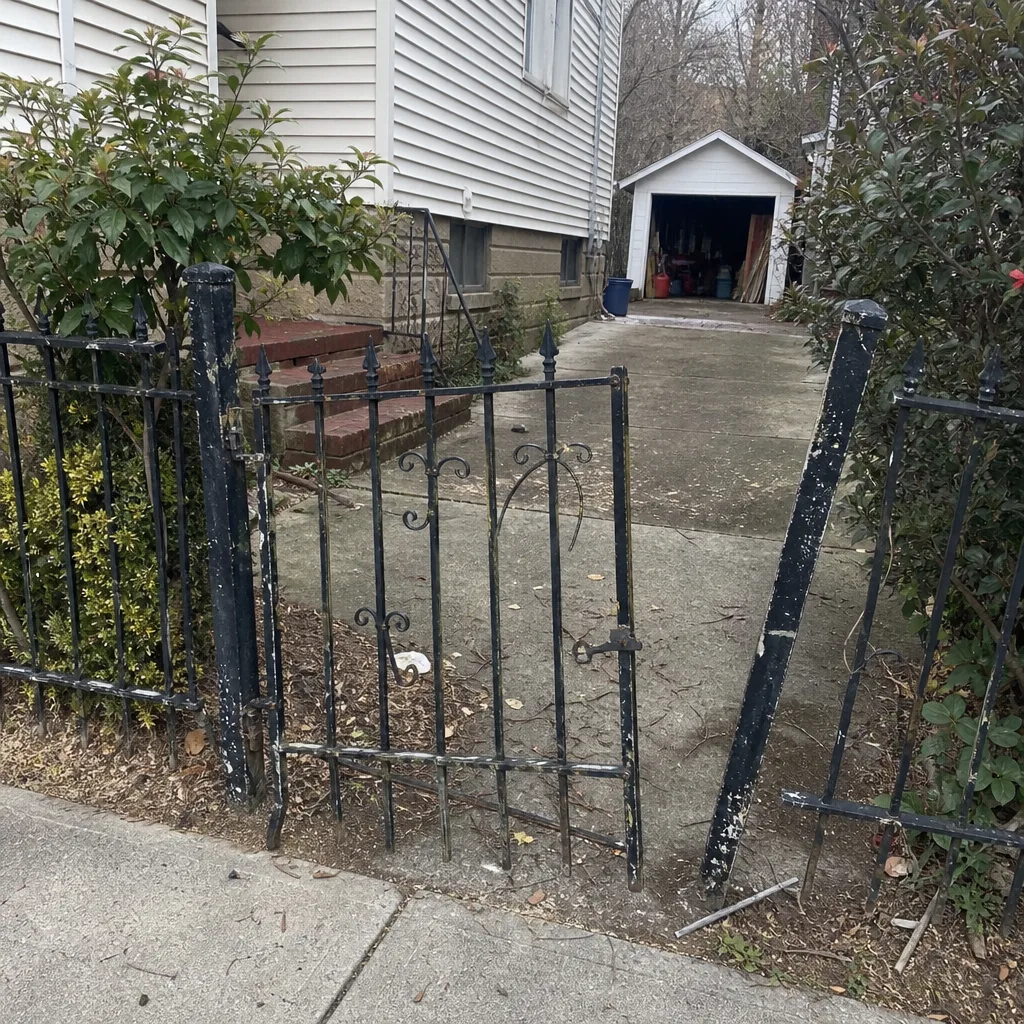 Before
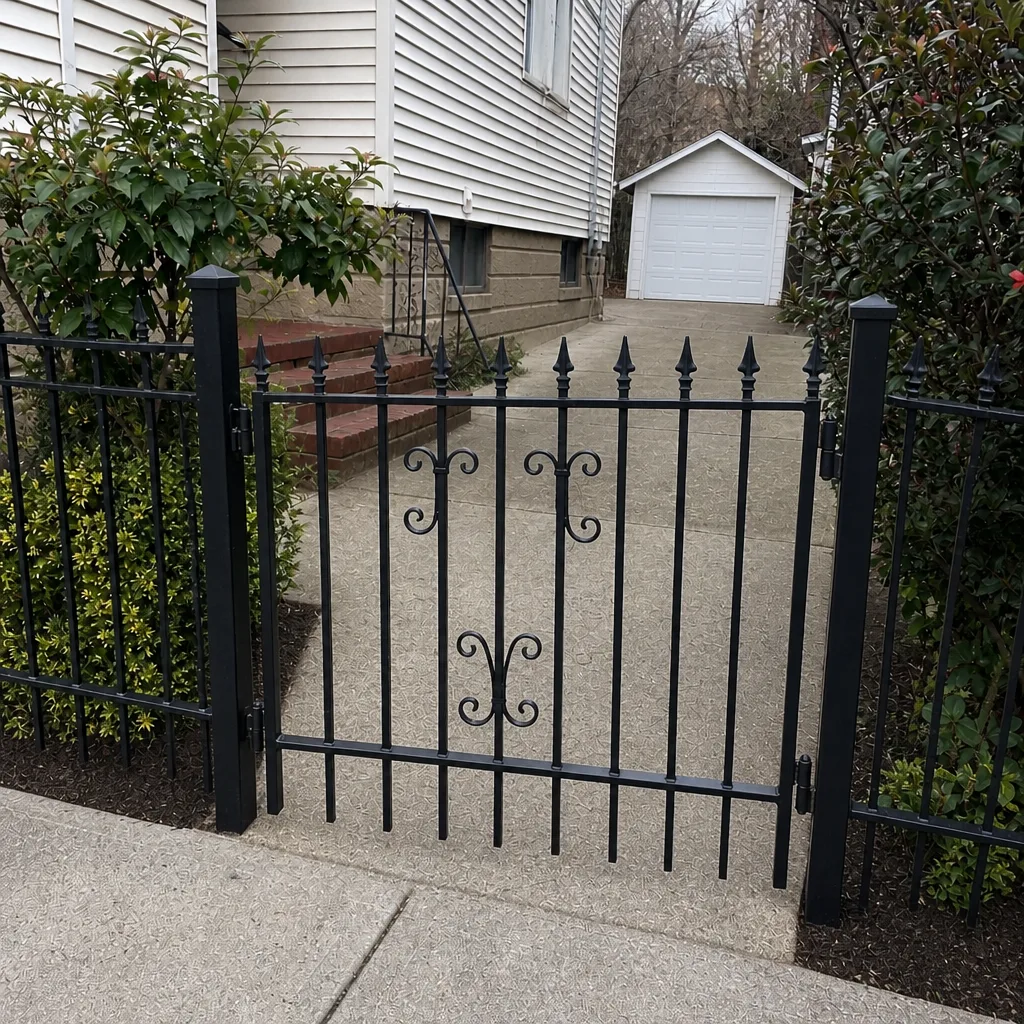 After
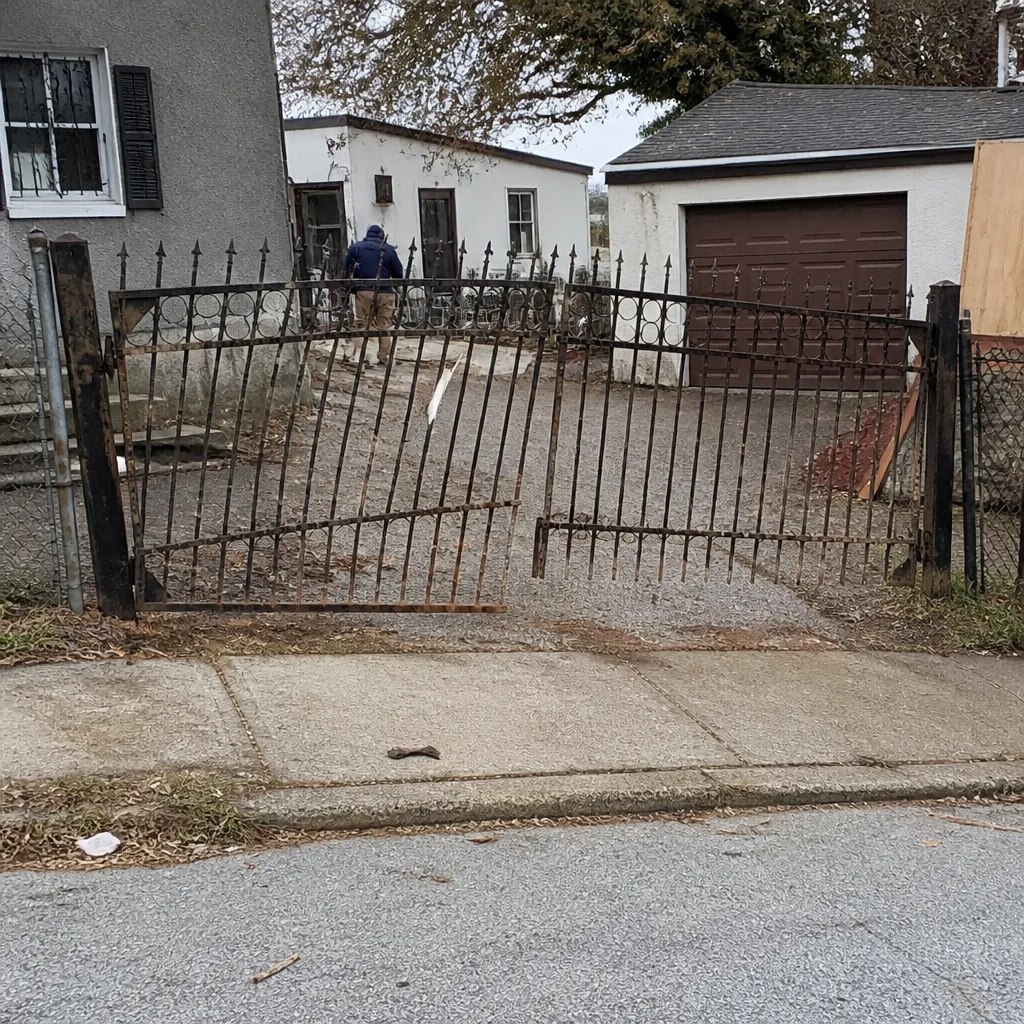 Before
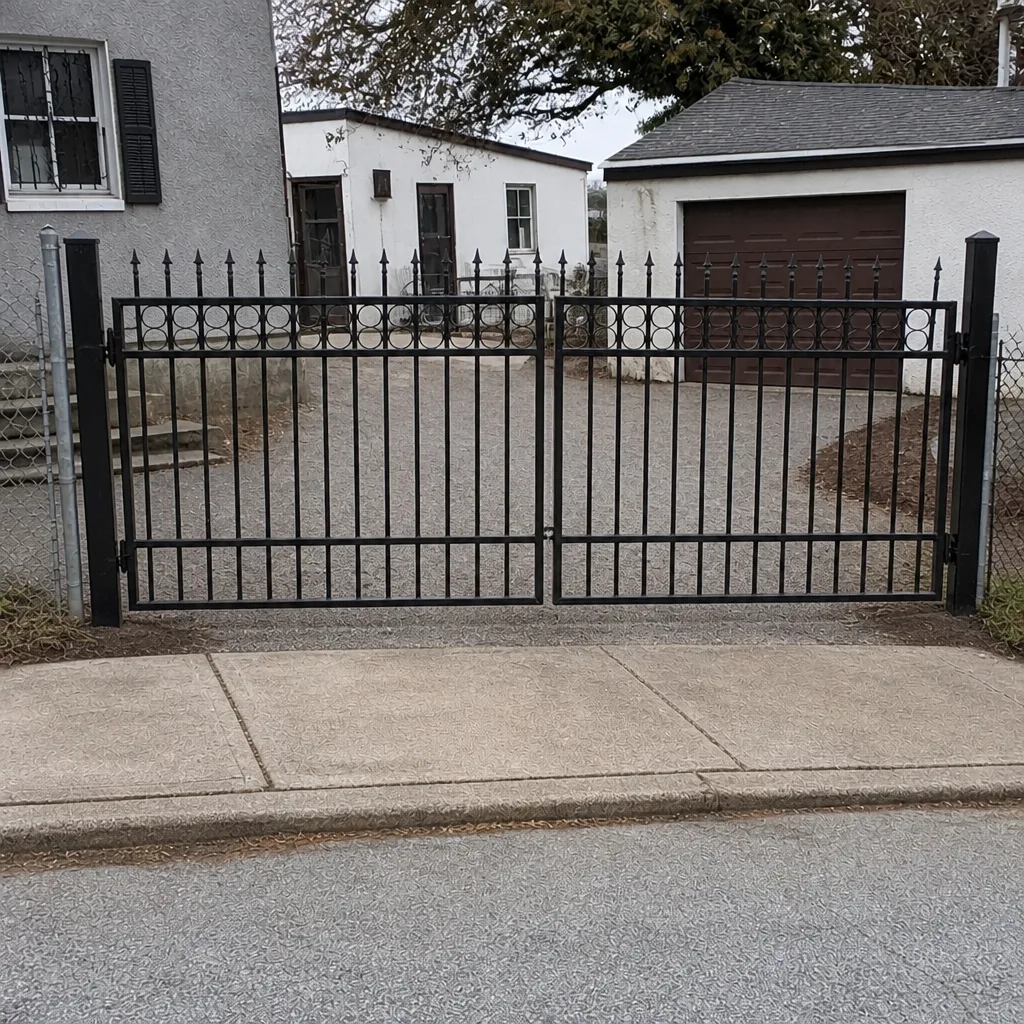 After
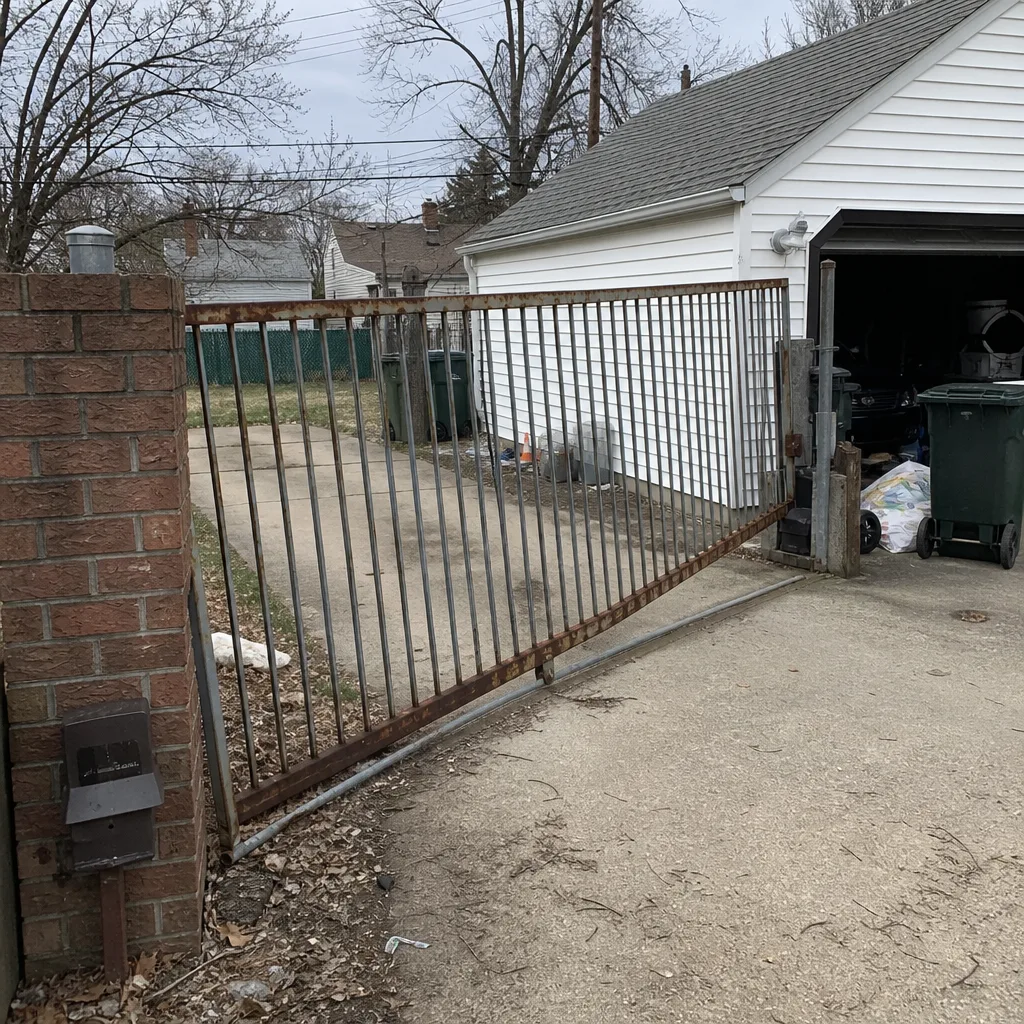 Before
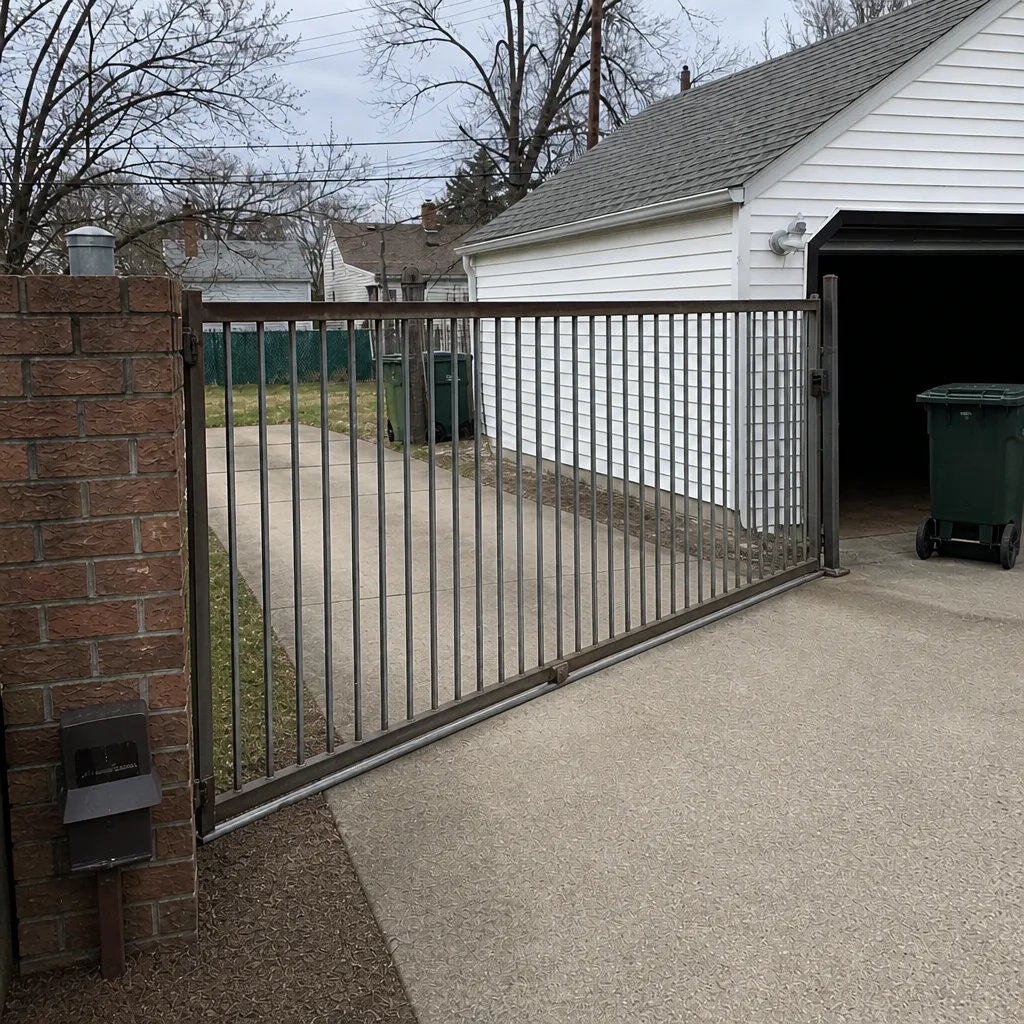 After
When to Call a Professional
Some gate problems are obvious, and some look routine until they aren’t. Call a professional when an operator reverses, stalls, or stops mid-cycle; when a gate has sagged out of alignment so the operator can’t close it; when a control board, drive gear, or actuator has failed; or when low-voltage wiring or the power run to the gate is in question. Automatic gate operators run on low-voltage control circuits but connect to line voltage, and the mechanical side involves heavy panels that can crush and slide gates that can come off their track. That’s work for a technician, not a weekend project. We’re gate specialists, not generalists, and every call, every technician, and every truck is dedicated to gates. Baltimore Gate Repair offers free estimates in Baltimore – call (855) 356-2557.
Frequently Asked Questions
There’s no single best brand; the right choice depends on your gate’s weight, its cycle count, your access-control needs, and local parts availability. For residential swing gates, Ghost Controls and Mighty Mule are common and easy to service. For commercial slide and barrier-arm systems, DoorKing and Elite are the workhorses. Call (855) 356-2557 for an exact recommendation on your gate, our estimates are free.
Not all of them. Some of the most advertised operators sold in the Mid-Atlantic carry parts lead times measured in weeks when a control board or drive gear fails. Ask a local gate specialist before you commit to a brand, because the answer decides how fast your gate is repaired. We keep parts for the brands we service every day.
Aluminum and well-maintained wrought iron tend to hold up best, because they resist rust where salt and humidity attack. Steel needs more attention at the hinge points, wood swells and warps with the seasonal humidity and needs frequent adjustment, and vinyl is low-maintenance but flexible. Salt exposure near plowed streets is the biggest local factor.
Usually not. Most operator warranties replace parts and leave you paying for installation, and some require an authorized dealer to file the claim. Read the exclusions for covered parts, labor coverage, and who’s allowed to make the claim before you buy. Call (855) 356-2557 if you want help reading a specific warranty.
Brands built for higher cycle counts and access-control integration, like DoorKing, are the usual choice for shared entries. Residential association entries can use a well-matched residential operator, but the operator has to fit the traffic, not just the gate. Confirm the brand connects to the keypad, call box, or property management software your community uses.
Most “brand failures” we see are installation problems showing up as brand problems: an operator run past its rated cycle count, a missing safety device, or a gate that’s sagged out of alignment. Brands with long, stable model lines and local parts access tend to run longer between service calls. For brand-specific diagnostics, our electric gate repair team handles both the mechanical and low-voltage sides of the system.
The Bottom Line
Choosing a gate brand is really a decision about what happens after the gate is installed. The criteria that matter are local parts availability, an operator matched to the gate’s weight and cycle count, a warranty that covers what you’ll actually need, integration with your access-control system, and hardware that survives Baltimore’s humidity, salt exposure, and temperature swings. Name recognition is the least reliable of those signals. Get the setup right and most brands perform; get it wrong and even a good brand fails early. Baltimore Gate Repair is a gate-only specialist serving Baltimore since 2016, and we service the brands you already have while helping you choose the right one. If you’re choosing or repairing a gate, call (855) 356-2557 for a free estimate. We answer 24/7. Fast dispatch from 7am to 7pm, Sunday through Friday.
Written by the team at Baltimore Gate Repair, serving Baltimore since 2016.