
Last updated November 14, 2026
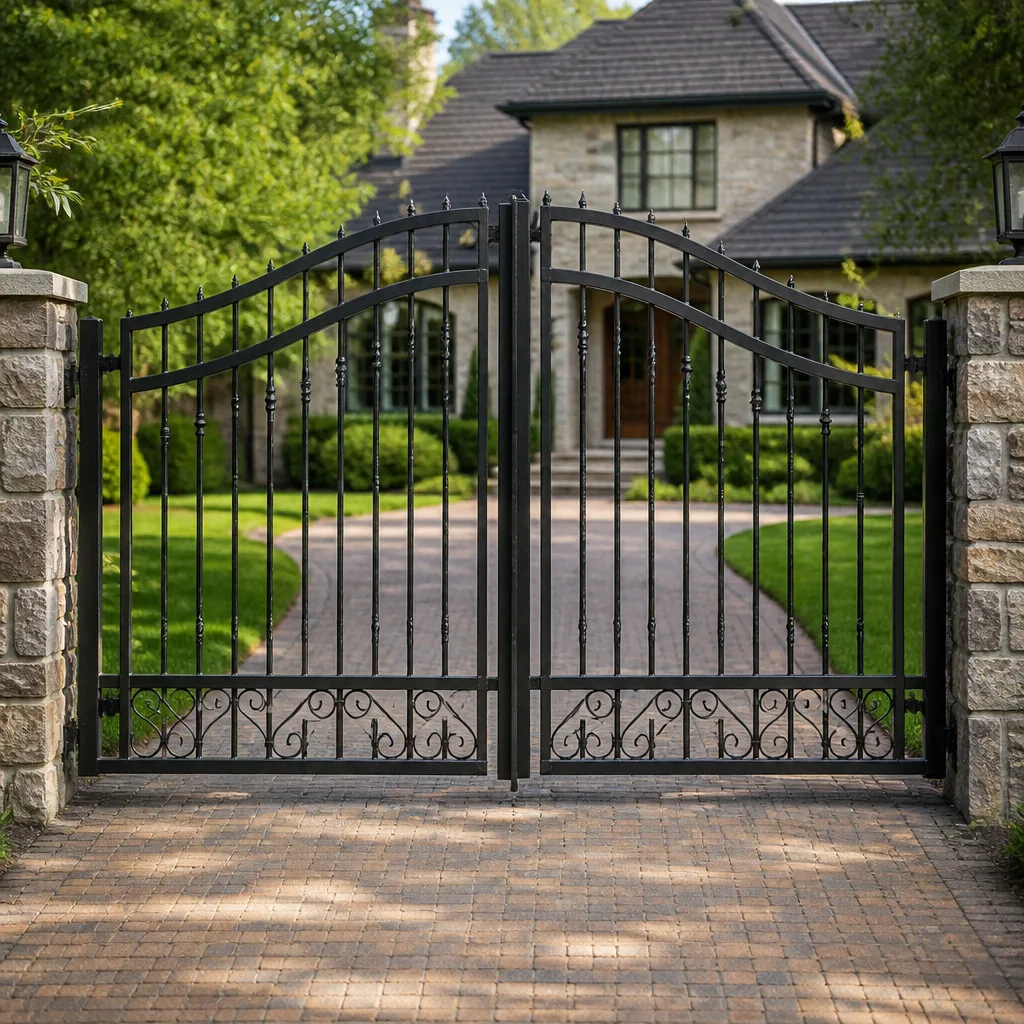 Wrought iron
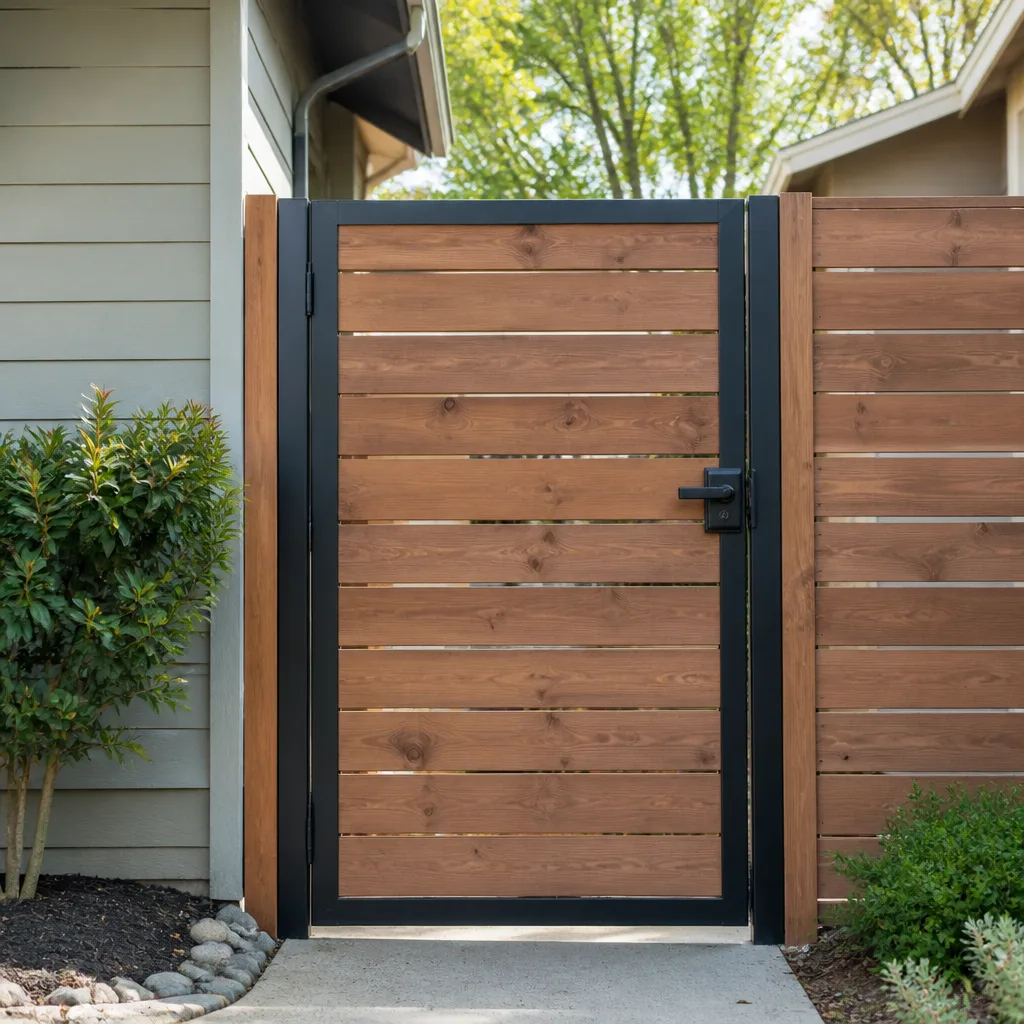 Wood & steel frame
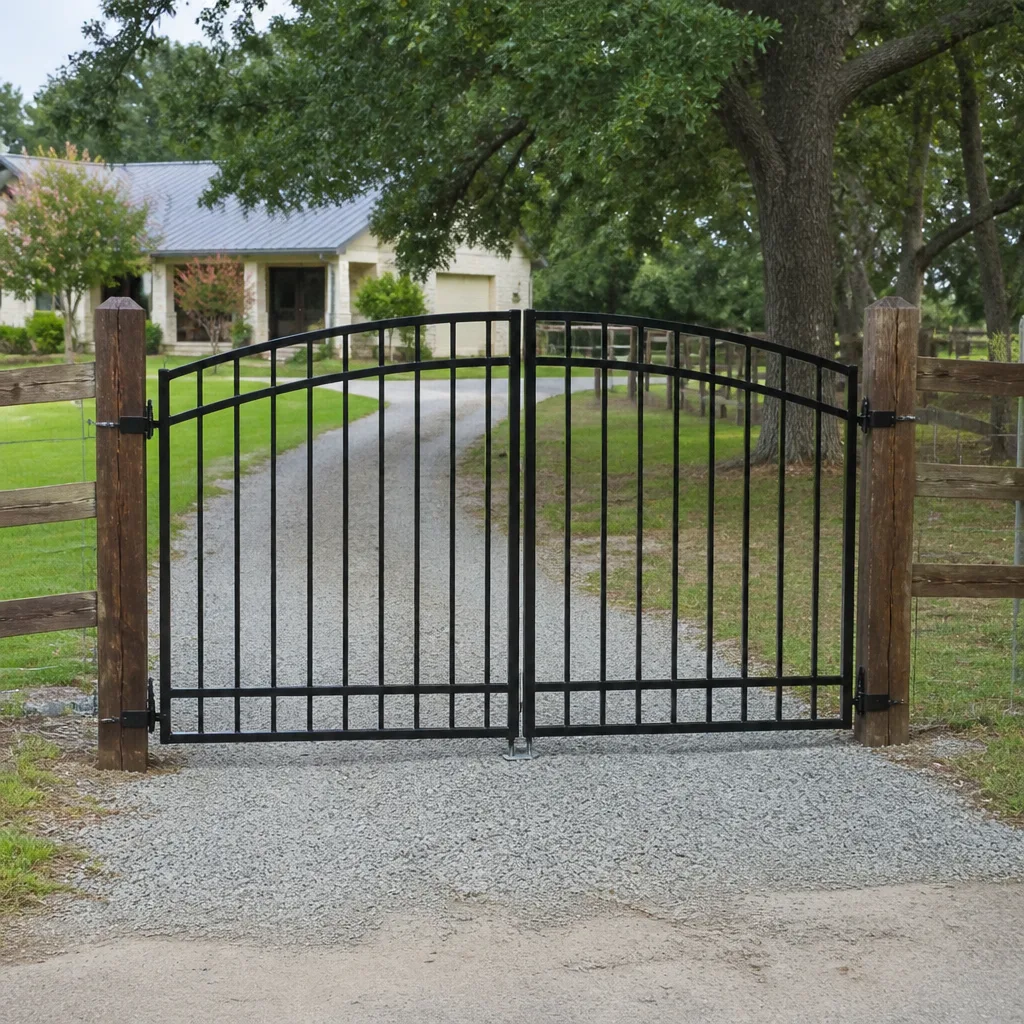 Farm & ranch
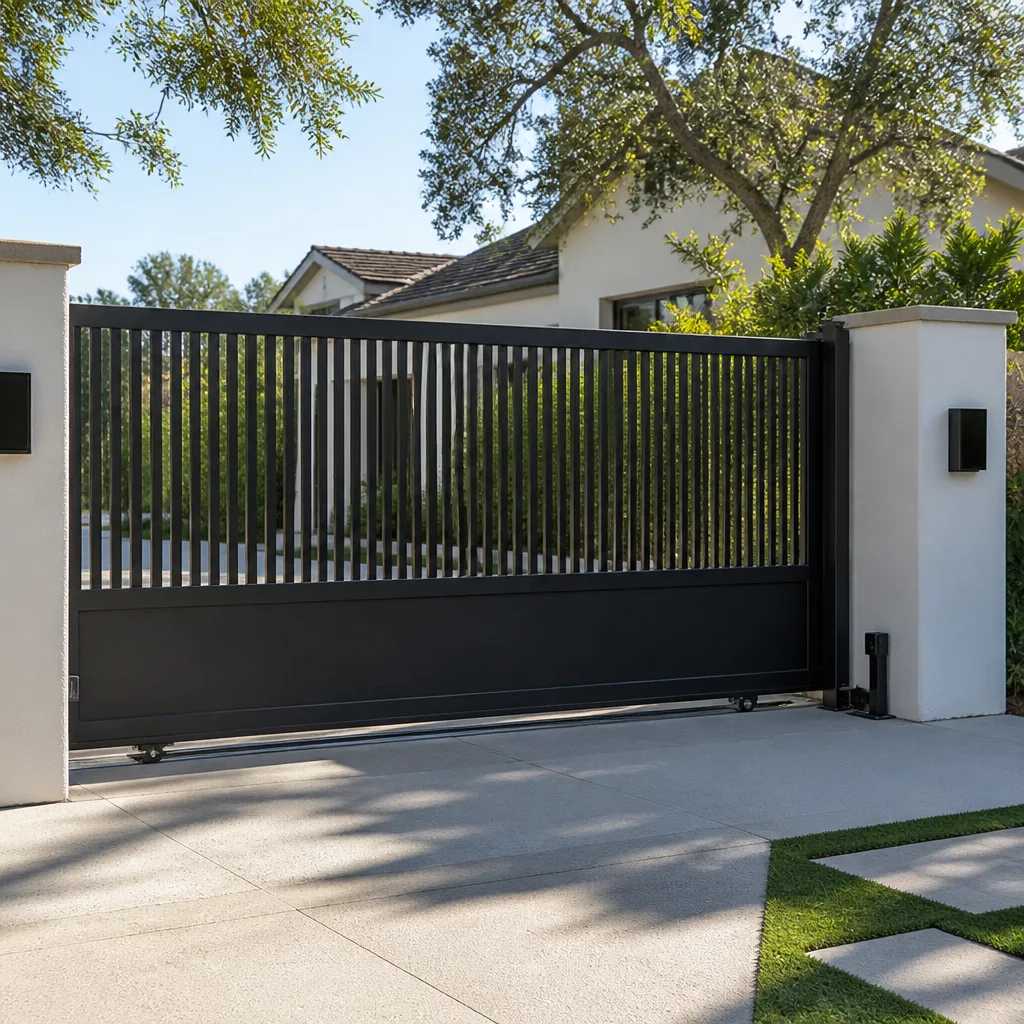 Sliding driveway gates
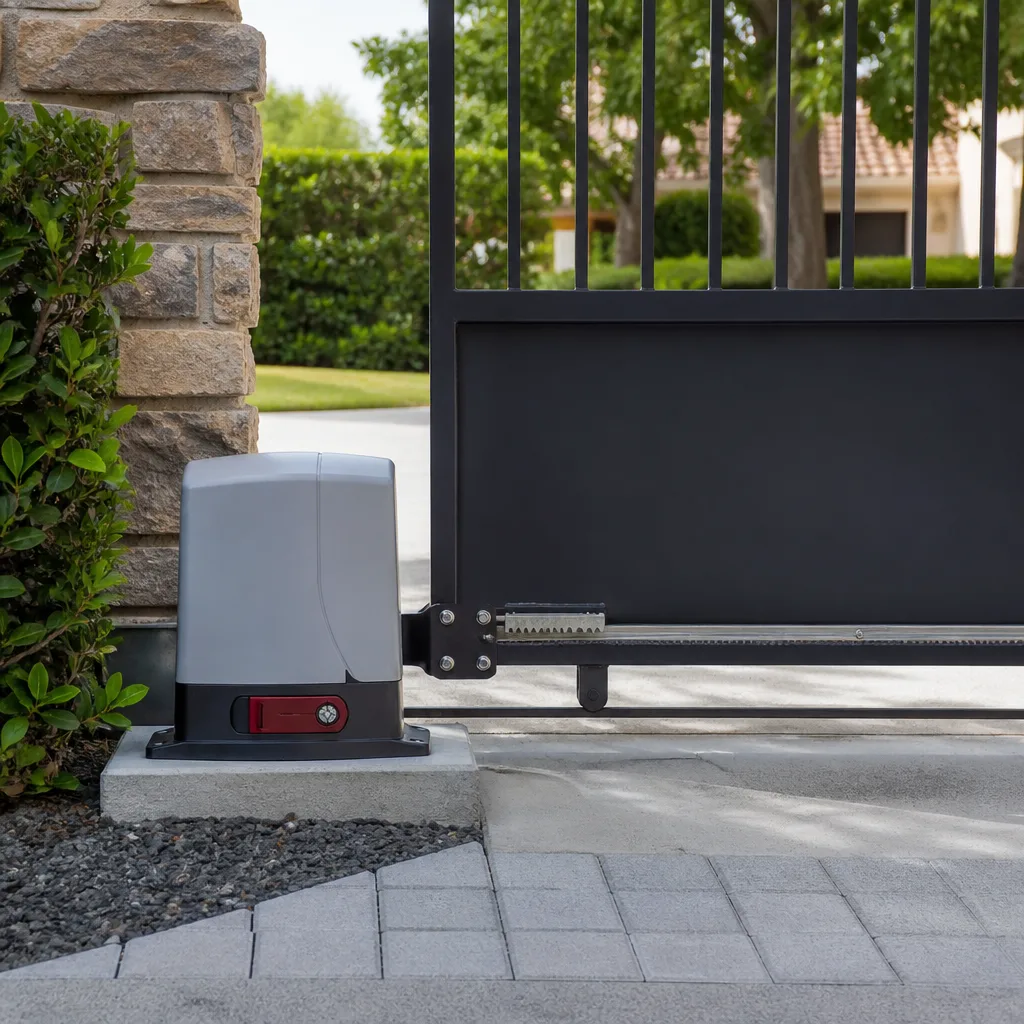 LiftMaster operators
Free on-site gate assessment - hinges, posts, and your LiftMaster or Nice gate operator checked before anything is quoted
The assessment is free and the quote is the invoice.
Get your free estimateGate Repair Permits, Codes & Inspections in Baltimore, MD: What You Need to Know
Most Baltimore property owners assume that fixing a gate never touches the permit office. That assumption holds for some repairs and quietly falls apart for others. A replaced post footing, a new run of conduit to a gate operator, or a gate on a commercial lot in Baltimore City can all cross a line that turns a straightforward repair into unpermitted work. And unpermitted work has a long memory. It can sit on a property record for years and surface during a sale, an insurance review, or a neighbor’s complaint. This guide walks through when permits apply to gate work in Baltimore, who pulls them, the difference between city and county thresholds, and what inspectors actually look at. It’s written for people who want the work done right the first time.
Quick Answer
In Baltimore City and Baltimore County, routine gate repair generally doesn’t require a permit, but a gate does when the job involves new electrical connections to a gate operator, new or replaced post footings, or a commercial property. Permit rules differ between the city and the county, and HOA rules can add requirements on top of either. The written permit rule is what matters, not what a contractor says at the estimate: check with the local permitting office before the work starts, not after.
Styles & brands we work with
- Wrought iron
- Wood & steel frame
- Farm & ranch
- Sliding driveway gates
- LiftMaster operators
Table of Contents
- Why Gate Permits Matter More Than Most Owners Think
- Baltimore City vs. Baltimore County: Where the Rules Diverge
- When Electrical Work on a Gate Operator Triggers a Permit
- HOA Overlay Rules for Gates in Governed Communities
- How to Check for Open Permits or Failed Inspections
- Like-for-Like Replacement: What It Means in Maryland
- Commercial Gate Property: Why Inspectors Look Harder
- What Inspectors Actually Check on a Gate
Why Gate Permits Matter More Than Most Owners Think
A permit is a record. It documents that work happened, that it met code at the time, and that a municipal inspector signed off. Without it, a gate installation on a Baltimore property exists only in the memory of whoever did the work and in the physical evidence of the gate itself. That’s usually fine, until it isn’t.
Here’s when the absence becomes a problem:
- During a home sale. Title searches and municipal lien searches can turn up open permits or violations on a property’s record. A gate project that never closed out can delay a closing or require a buyer’s credit to cover the remediation.
- During an insurance review. An electrical connection made without a permit or inspection may put a coverage question on the table if a gate operator later causes a fire or injury. Insurers are within their rights to ask whether the wiring was done legally.
- When a neighbor or HOA files a complaint. A municipal inspector can knock on the door years later, and the burden of proving compliance falls on the property owner, not on whoever did the work.
- When you go to modify the gate later. The next contractor has to start from what’s there. If the existing install doesn’t match what the permit records show, the new work gets complicated before it starts.
In our experience writing estimates in Baltimore, the permit question almost always comes up as an afterthought: “By the way, do we need a permit for this?” The honest answer is that it depends on the scope of the job, and a good contractor should be able to tell you that before the first hour of work begins.
Baltimore City vs. Baltimore County: Where the Rules Diverge
The biggest surprise for owners is that Baltimore City and Baltimore County run separate permitting systems with different thresholds and different documentation requirements. A contractor who works mostly in the county may not know the city’s process as well, and vice versa. That gap is where mistakes happen.
Baltimore City
Baltimore City properties come with a tighter paper trail. The city issues both permits and use-and-occupancy documentation, and the zoning review that runs alongside any construction permit can pick up site conditions a county reviewer wouldn’t bother with. A gate on a city rowhouse or commercial frontage tends to get more scrutiny than the same gate in a county subdivision, because city properties have less space between neighbors and more shared corners, alleys, and sight line considerations.
For gates on properties with a rowhouse footprint, a gate that opens across a shared alley or encroaches on a property line can touch a zoning question before it ever touches a structural one. Ask the permit office to confirm the addressing and the property class before you assume a routine permit is all you need.
Baltimore County
Baltimore County handles permitting through its own agency and its own document set. For residential properties in unincorporated areas, a gate repair without new footings or electrical work typically stays below the threshold. For anything with a new foundation or a new operator connection, expect a permit and an inspection. Homeowners outside the urban core still deal with the county’s plan review and its own inspector scheduling.
Practical takeaways
- The permit application process, the fee schedule, and the inspection timeline are different between city and county. A contractor who says “the rules are the same everywhere” hasn’t looked closely.
- A city permit application can take longer to process than a county one, especially where zoning review is involved. Plan the schedule around that.
- If your property sits at a city-county border, confirm which jurisdiction has authority over the parcel before anyone pulls a permit.
If you’re unsure which side you’re on, a call to Baltimore permits or the county’s permit office will settle it. The old rule applies: ask first, then build.
When Electrical Work on a Gate Operator Triggers a Permit
Automatic gates sit on a boundary between mechanical work and electrical work. The operator is a low-voltage or line-voltage device, and the wiring that feeds it is electrical work under Maryland’s state code. The moment you connect a new operator to the power supply, replace a damaged run of conduit, or modify the control circuit that drives a lift or safety edge, you’re in permit territory.
That’s true whether the operator is a residential swing gate or a high-cycle commercial slide operator. The brand doesn’t change the rule. What changes is the complexity: a residential LiftMaster or Ghost Controls operator can often be wired on a single dedicated circuit, while commercial systems from DoorKing, FAAC, or BFT may involve three-phase power, external loop detectors, and intercom or access-control wiring. The higher the voltage and the more components involved, the more likely a permit and inspection are involved.
What triggers an electrical permit
- Running a new dedicated circuit from the panel to a gate operator.
- Replacing a failed operator where the existing wiring was never permitted.
- Adding a keypad, intercom, card reader, or loop detector connected to the operator’s control board.
- Installing an electric gate operator on a gate that was previously manual.
- Modifying the operator’s low-voltage control wiring in ways that involve new circuit paths or a new power source.
What usually doesn’t
Replacing a battery in a solar-charged operator doesn’t require an electrical permit. Replacing a worn hinge, a bent post cap, or a latch on a manual gate doesn’t either. Replacing a logic board on an operator where the wiring isn’t touched is usually outside the permit requirement, though it’s wise to confirm with your jurisdiction if the operator is on a commercial property.
Electrical work at a gate can hurt a person badly if it’s done wrong. We recommend that homeowners don’t attempt the electrical side themselves, and that commercial operators leave the door operator wiring to a technician who is comfortable with low-voltage and line-voltage systems. Our electric gate repair covers both the mechanical and electrical sides of the operator, which is exactly where the permit boundary sits.
If your gate is failing to open or close, calling a specialist is the faster route to a diagnosis. Call (855) 356-2557. We answer 24/7. Fast dispatch from 7am to 7pm, Sunday through Friday.
HOA Overlay Rules for Gates in Governed Communities
In Baltimore-area communities with an HOA or a condo association, the municipal building permit is only half the paperwork. The association’s rules sit on top of city and county code, and they often add requirements that a municipal permit never triggers. This is where a lot of confusion happens: a homeowner submits a county permit application, gets it approved, and then learns weeks later that the HOA design review committee had to sign off first.
What HOA rules typically add
- Design approval. The gate’s style, height, material, finish, and visibility from the street may all be subject to design review before any construction begins.
- Setbacks and easements. HOAs often enforce setbacks that are stricter than the municipal minimum, especially on corner lots and at shared access points.
- Landscaping and screening. Some associations require that operators be hidden behind landscaping or fencing from street view.
- Noise and operating-hours limits. Commercial properties in mixed-use areas can face restrictions on when an automated gate is allowed to operate loudly.
- Resale documentation. Some HOAs require that a gate installation be documented in the disclosure package at sale, which makes the paper trail even more important.
How to work through HOA approval
- Get the association’s design guidelines in writing before the estimate.
- Submit the design-review request with a sketch or photo, the material spec, and the operator model.
- Wait for written approval, not a verbal “it’s fine.”
- Pull the municipal permit if the scope requires it.
- Keep the approval letter and the permit records together for resale.
Building, electrical, and zoning rules all live in one place for a given property. The HOA’s rules live somewhere else. In gate repair work across a broad mix of properties, we’ve found that the HOA paperwork is the part homeowners most often miss. Ask your association for its current design guidelines, and make sure the HOA sign-off comes before the first post goes in the ground.
How to Check for Open Permits or Failed Inspections
Before anyone lifts a wrench on a new project, check the record on the existing gate. Baltimore City and Baltimore County both maintain online permitting records that can be searched by address. What you’re looking for is whether a gate project on the property was ever permitted, whether the permit was ever closed out, and whether an inspection ever failed and was never resolved.
The steps:
- Search the Baltimore City or Baltimore County online permit portal by property address, not by contractor name.
- Look for permits in the construction, electrical, or zoning categories issued to the property, not just the ones that show as issued. Failed or open inspections sometimes appear on a separate inspection log tied to the permit number.
- If the permit record shows the gate was installed but never inspected, call the permit office and ask what’s needed to close the record.
- For any permit that’s open more than a couple of years, ask about expiration. A permit that has lapsed may need to be renewed or reissued before work can restart.
- If you can’t find any permit at all on a gate that clearly has an electrical operator, treat it as unpermitted and plan accordingly.
What you can do about it depends on the situation. A failed inspection on a permit from another contractor can usually be resolved by correcting what failed and requesting a re-inspection. A lapsed permit may need to be reissued. An entirely unpermitted install usually means pulling a new permit to document the work and correcting anything the inspector flags. None of this is a crisis, but it’s much easier to handle before a sale than in the middle of one.
Like-for-Like Replacement: What It Means in Maryland
The “like-for-like replacement” exception exists in Maryland and it can save you a permit, but it applies more narrowly than most people think. The idea is that replacing a component with a functionally identical one doesn’t count as new construction or an alteration that requires plan review, as long as the structure, footprint, and electrical load stay the same.
For a gate, that means:
- Replacing a gate operator with a same-voltage, same-function model where the power source and circuit don’t change is often treated as like-for-like. It’s still electrical work, and the requirement to use a licensed electrician may apply, but a full new permit isn’t always required. Confirm with your jurisdiction.
- Replacing a hinge, roller, latch, or chain on a manual gate is like-for-like and doesn’t need a permit.
- Replacing a post or footing is not like-for-like. A new footing is structural work and generally requires a permit.
- Replacing a manual gate with an automatic operator is not like-for-like. It’s a new electrical use, and it needs a permit in almost every jurisdiction.
- Replacing a gate panel with a different style, material, or size is not like-for-like, even if the function is the same. The design review and possibly the structural review both apply.
In practice, “like-for-like” comes up most often on commercial properties where a property manager wants to swap out a failing operator without triggering a full permitting cycle. The honest answer depends on whether the electrical characteristics and the physical footprint stay the same. A brand switch from one operator to another (say, from an older Linear unit to a BFT or a Viking) may or may not qualify, and it’s worth confirming before installation.
This is the part of the job where an independent specialist with broad brand exposure helps. We aren’t tied to any manufacturer, so the recommendation is based on what fits your site, not what a dealer wants to move. Nine brands. One specialist.
Commercial Gate Property: Why Inspectors Look Harder
A gate on a commercial lot lives under a different standard. Inspectors reviewing a commercial installation look at the same mechanical elements as a residential one, but they add the fire code, the accessibility requirements, the egress path, and the site plan. A commercial gate that fails to open on a fire alarm or that blocks a means of egress can be flagged quickly.
For Baltimore commercial property managers, the permit scope on gate work tends to be wider:
- Electrical permits for the operator, related circuits, and any access-control hardware.
- Building permits when the gate affects egress, structural post footings, or site layout.
- Fire marshal review when the gate is part of a controlled access or egress path.
- Zoning review for the site plan, particularly for barrier-arm gates and slide gates on corner lots.
Commercial operators like the DoorKing systems often used on gated entrances, or the FAAC arms common on high-traffic industrial sites, have specific electrical requirements that vary across jurisdictions. The permit is what ties them legally to the site. Skipping it leaves a commercial property with an insurance and liability exposure that most property managers would rather not explain to ownership.
We see this most often with barrier-arm gates and slide gates on Baltimore commercial properties. The lift and the slide operator both carry electrical service, and the safety edge, loop detector, and signage all have code-level requirements. What inspectors are looking for is that all three elements were documented at installation.
What Inspectors Actually Check on a Gate
Inspectors aren’t checking whether the gate looks nice. They’re checking whether it meets code for safety and whether it matches what the permit application said it would do. The list is usually shaped like this:
- Operator type and voltage. The installed operator must match what the permit drew. A different voltage, a different cycle rating, or a different brand than the plan can fail an inspection.
- Power source and circuit. The electrical inspector confirms the circuit, the disconnect, and the grounding. Gate operators are subject to the same electrical review as any other outdoor equipment.
- Post footings and structural attachment. Footings must be at the depth called for in the approved plan. Posts and hinges must be anchored to withstand the force of the gate in operation.
- Safety devices. Photoelectric safety edges, loop detectors, and signage are checked against the requirements at the time of installation.
- Egress and fire access on commercial properties. Commercial gates must fail open or open on fire alarm, and the egress path must remain clear.
- Site conditions. Setbacks, easements, and the property line are checked against the approved plan. A gate that encroaches on a neighbor’s property or a shared easement fails.
A gate that’s partly electric should have a licensed electrician on the electrical side, whether the work is DIY or by a general contractor. We recommend a specialist for the mechanical side and a licensed electrician for the run to the panel. That way, when the inspector arrives, every piece of the install has an owner.
Common Mistakes to Avoid
- Assuming repair never needs a permit. The “no permit” assumption breaks the moment new footings, new electrical, or commercial property enter the picture. Ask before the work, not after.
- Skipping the HOA before the county. Getting a county permit approved and then discovering the HOA design review failed puts the work on hold for weeks. Do the design review first.
- Trusting “like-for-like” without checking. A brand switch on an operator may or may not qualify. It’s worth a call to your permit office before installation.
- Letting a contractor finish without a closed-out permit. An open permit is a record of unfinished work. Confirm in writing that the permit is closed and the inspection passed.
- Missing the electrical side. A gate operator wired directly into a panel without a permit or inspection is a fire and liability exposure. Cover it.
- Not checking the property record before a sale. A permitted-gate paper trail is one of the easiest things to check and one of the hardest to fix mid-closing. Look it up early.
- Letting a general contractor handle the electrical run. That’s the part of the project where permits most often get missed. Use a licensed electrician on the electrical side.
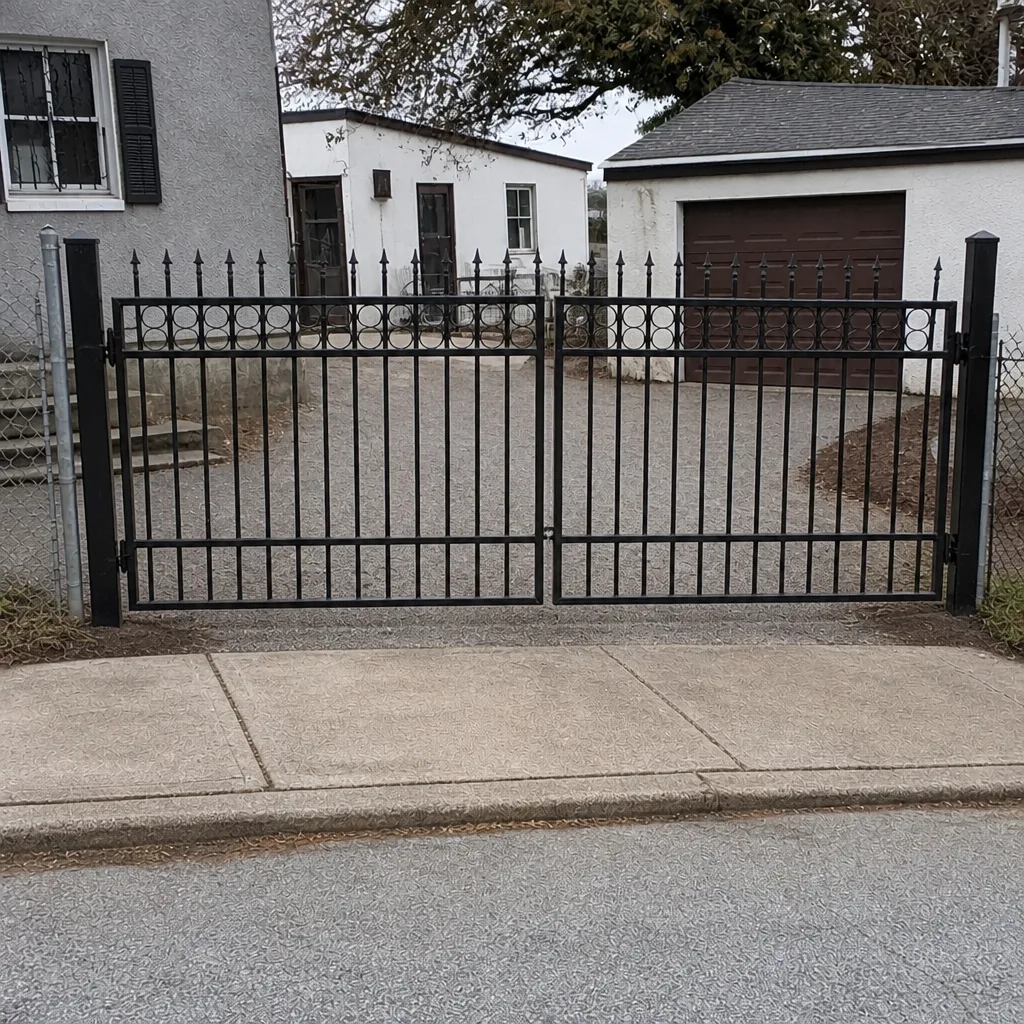
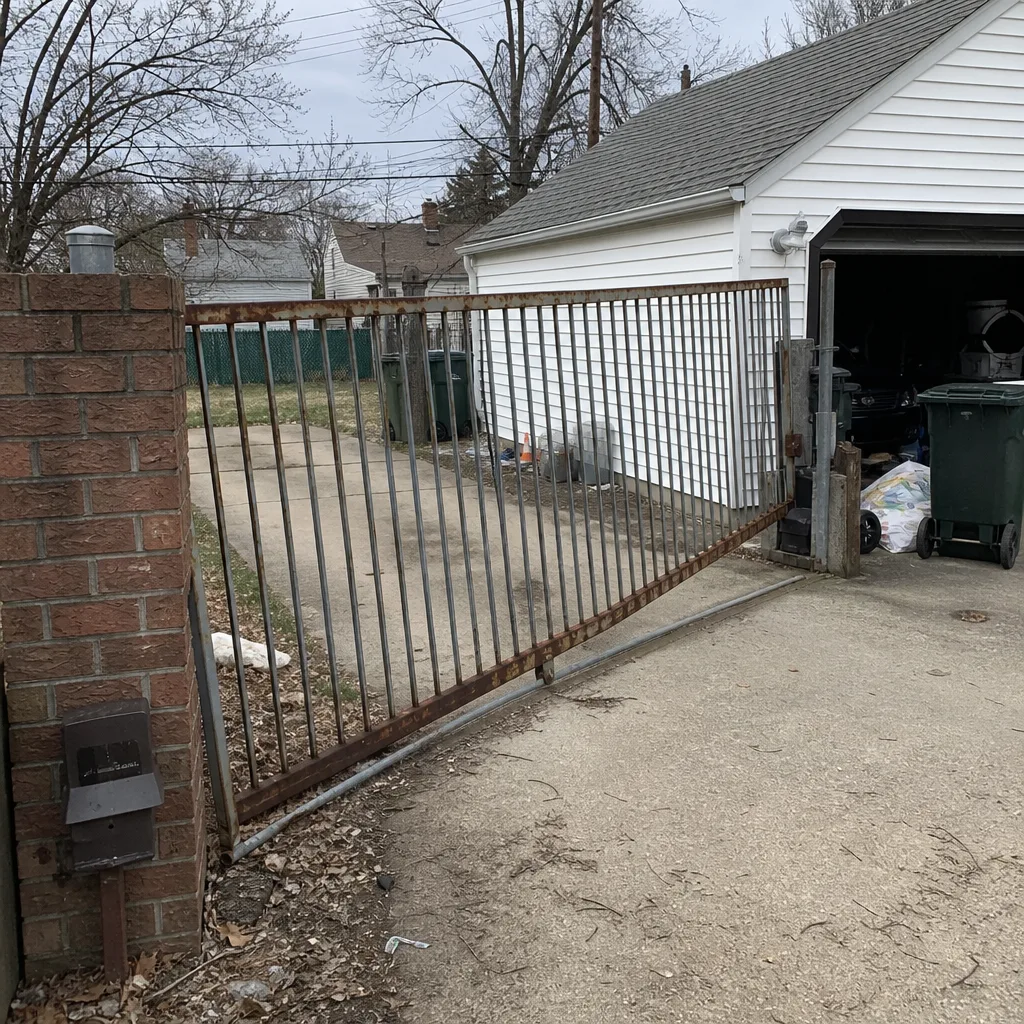
See the difference
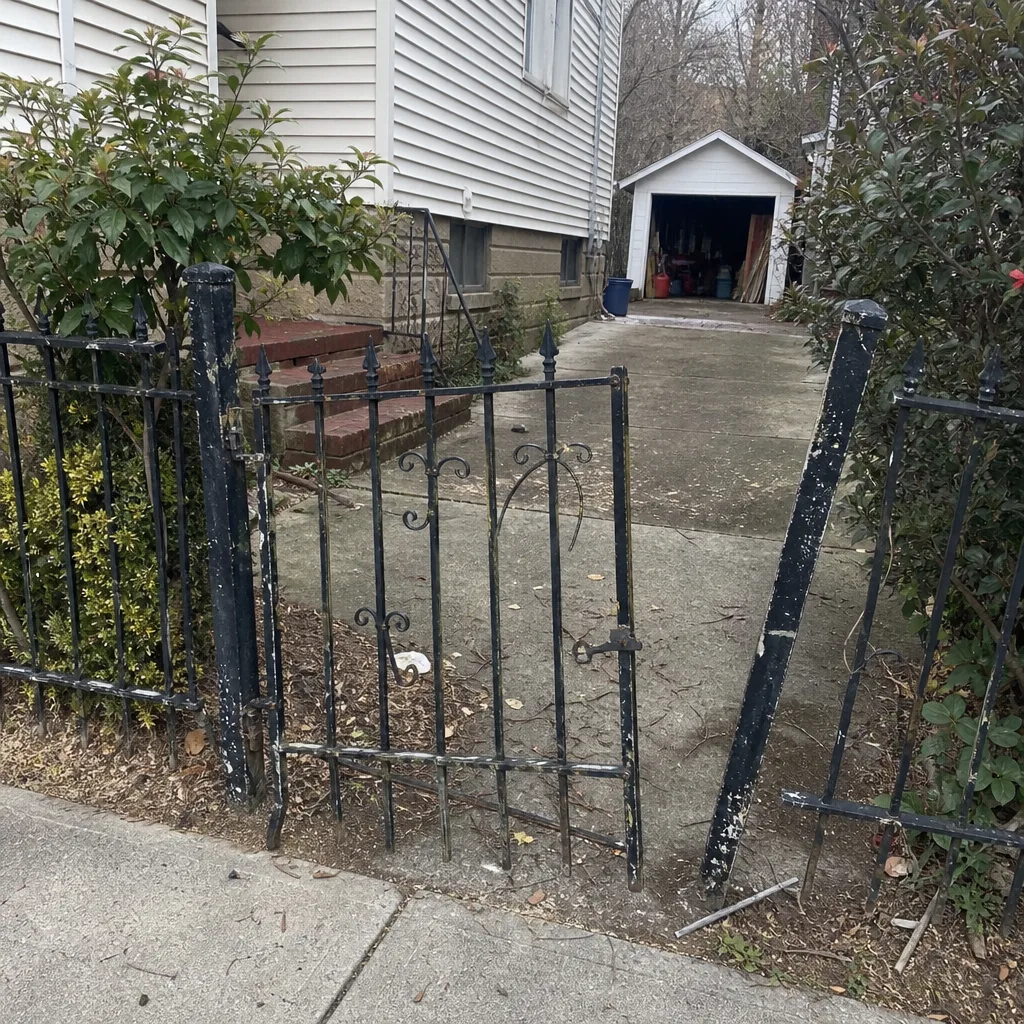 Before
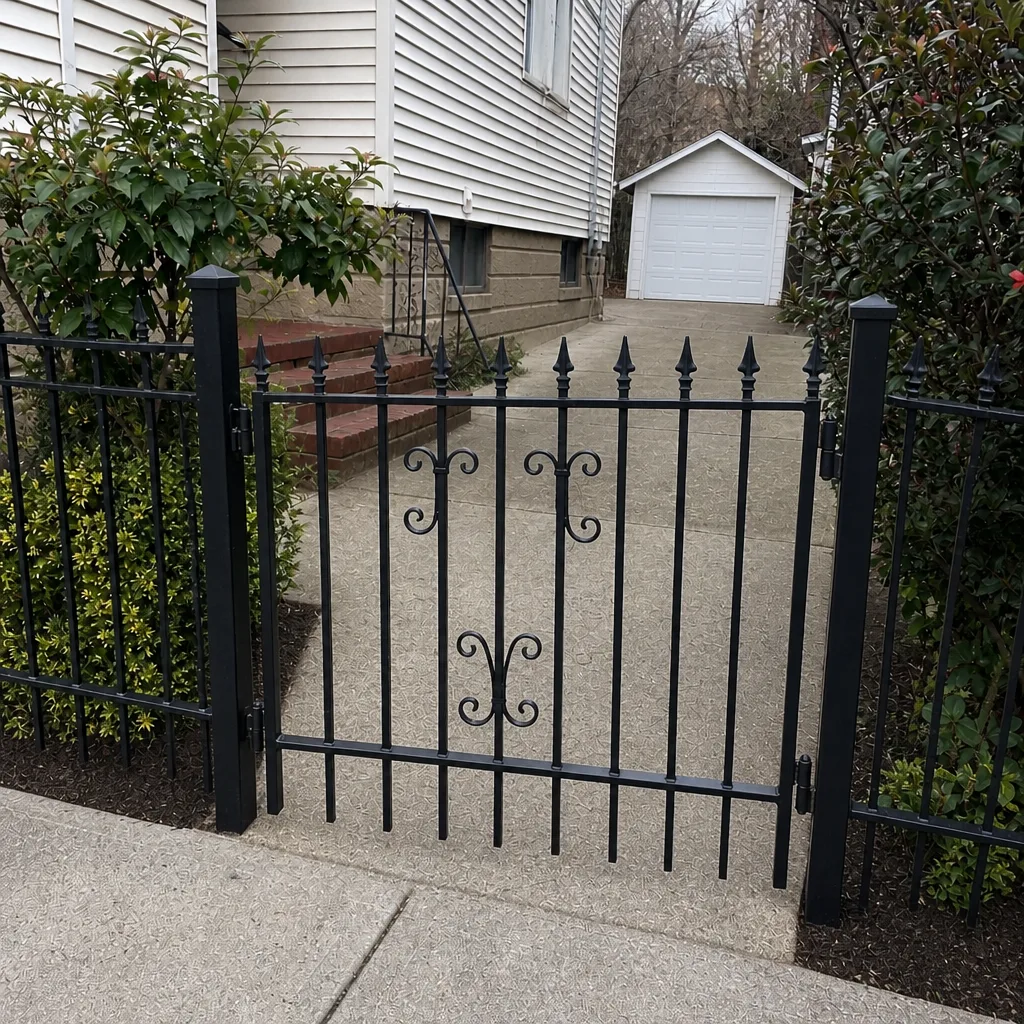 After
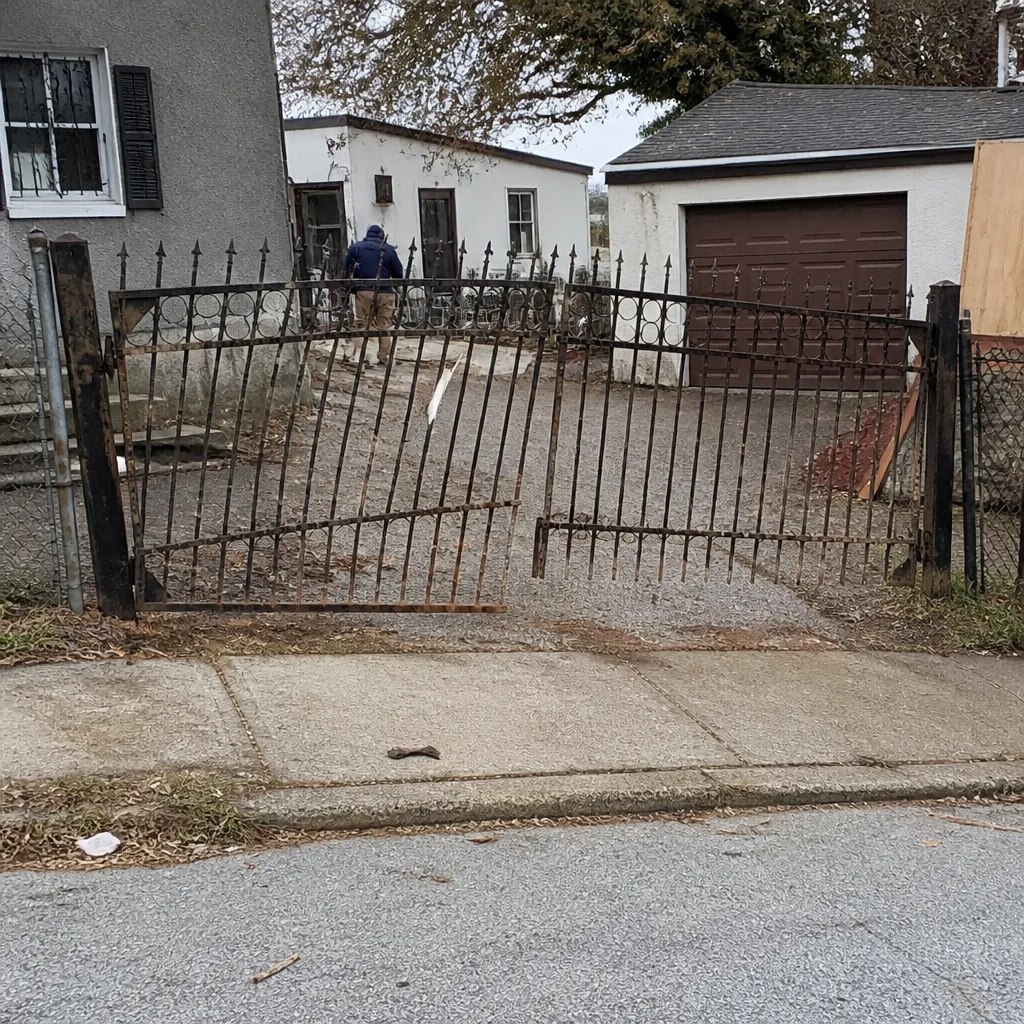 Before
 After
 Before
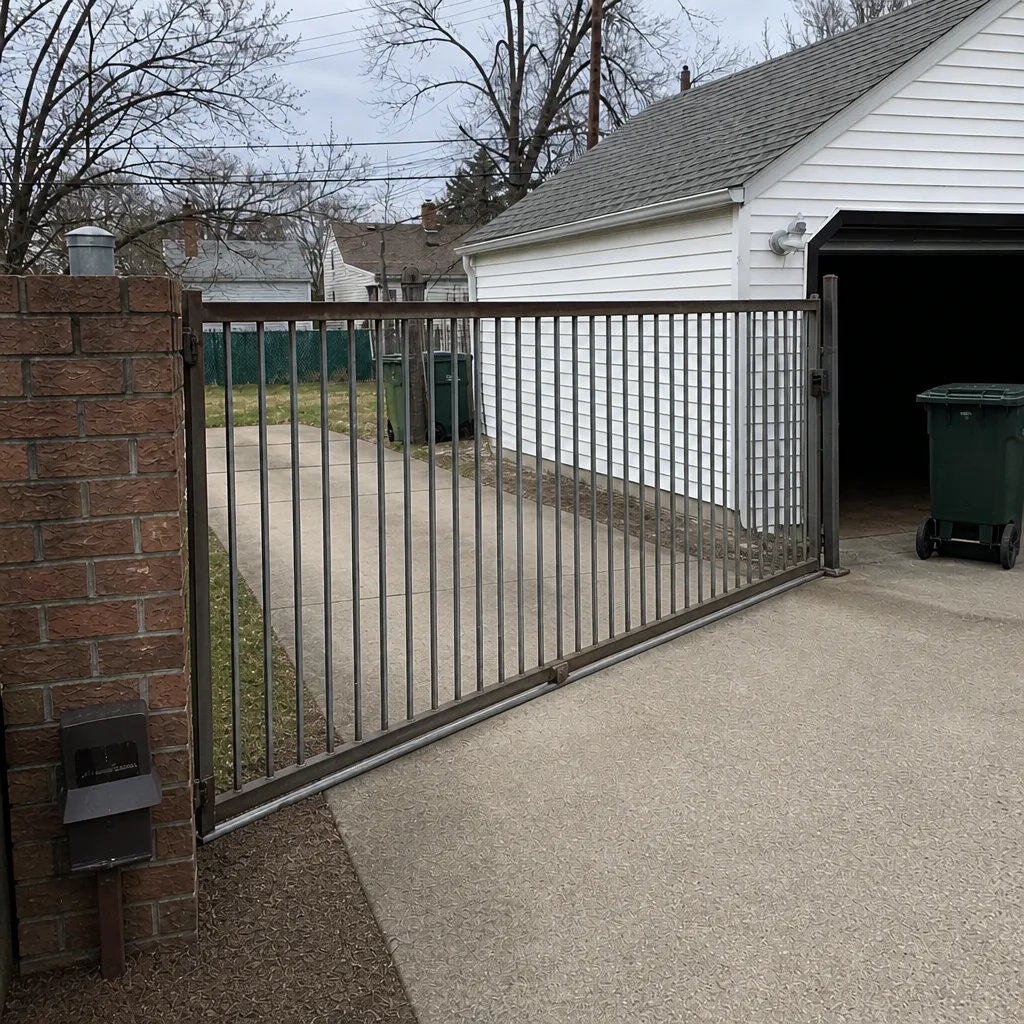 After
When to Call a Professional
Call a specialist when the gate won’t open or close, when the operator makes a sound it didn’t make before, or when you’re seeing new wear at the hinges, track, or rollers. Call when you’re planning a replacement and want to know whether the job requires a permit before you commit. Call when an existing installation may be unpermitted or a permit may be open on your property. Call before a sale if you’ve never confirmed the paper trail on the gate. And call when the electrical side of the operator needs diagnosis: those are the calls we handle best, and no homeowner should be poking around an energized operator with a screwdriver. At Baltimore Gate Repair we offer free estimates in Baltimore – call (855) 356-2557. We answer 24/7. Fast dispatch from 7am to 7pm, Sunday through Friday.
Frequently Asked Questions
Usually not for a routine mechanical repair, but yes when the job involves new electrical connections to a gate operator, new or replaced post footings, or a commercial property. The exact threshold depends on whether you’re in Baltimore City or Baltimore County. Confirm with the local permitting office before the work starts. Call (855) 356-2557 for a free estimate and a straight answer on the permit question.
Either can pull the permit in most jurisdictions, but the responsibility for ensuring the permit exists rests with the property owner. A contractor who asks for a permit before any work happens is doing it right. A contractor who says “we don’t need one” without asking questions is worth a second call.
Sometimes, but not automatically. The “like-for-like” exception applies when the replacement doesn’t change the electrical load, the footprint, or the function of the system. A same-brand, same-voltage swap that leaves the circuit untouched sometimes qualifies. A brand switch usually doesn’t. Confirm the classification with your permit office before installation. Call (855) 356-2557 to talk through the specifics of your operator.
Search the Baltimore City or Baltimore County online permit portal by property address, not by contractor name. Look for permits issued to the address in the construction, electrical, and zoning categories, and check whether any tied inspections failed or were never completed. If anything is unclear, call the permit office to ask what’s required to close the record.
No. HOA rules overlay on top of municipal code rather than replacing it. The gate still needs a municipal permit if the scope requires one, and it also needs the HOA’s written design approval. In practice, the HOA requirements are often the more specific of the two, especially around style, setbacks, and visibility.
The unpermitted work can show up during a title search or a municipal lien search and become a negotiating item at closing. The buyer’s lender may require the work to be permitted and inspected before closing, and a failed re-inspection can delay the sale. Resolving it before listing is simpler than resolving it after an offer is accepted. Call (855) 356-2557 to schedule an evaluation and a free estimate.
The Bottom Line
Gate permits in Baltimore aren’t complicated, but they’re not optional either. Routine manual repair usually stays permit-free. Electrical work on the operator, new footings, and commercial property almost always fall under a permit. City and county rules differ, HOAs add requirements, and the “like-for-like” exception is narrower than most people assume. The right order of operations is: check the property record, confirm the permit requirement with the local office, get HOA approval, then build. Do that and the gate outlasts the paperwork. Skip it and the paperwork catches up eventually. For gate work that crosses the electrical or structural line, Baltimore Gate Repair handles the diagnosis and the work with a free written estimate up front. Call (855) 356-2557. We answer 24/7. Fast dispatch from 7am to 7pm, Sunday through Friday.
Written by the team at Baltimore Gate Repair, serving Baltimore since 2016.